
Last updated November 23, 2026
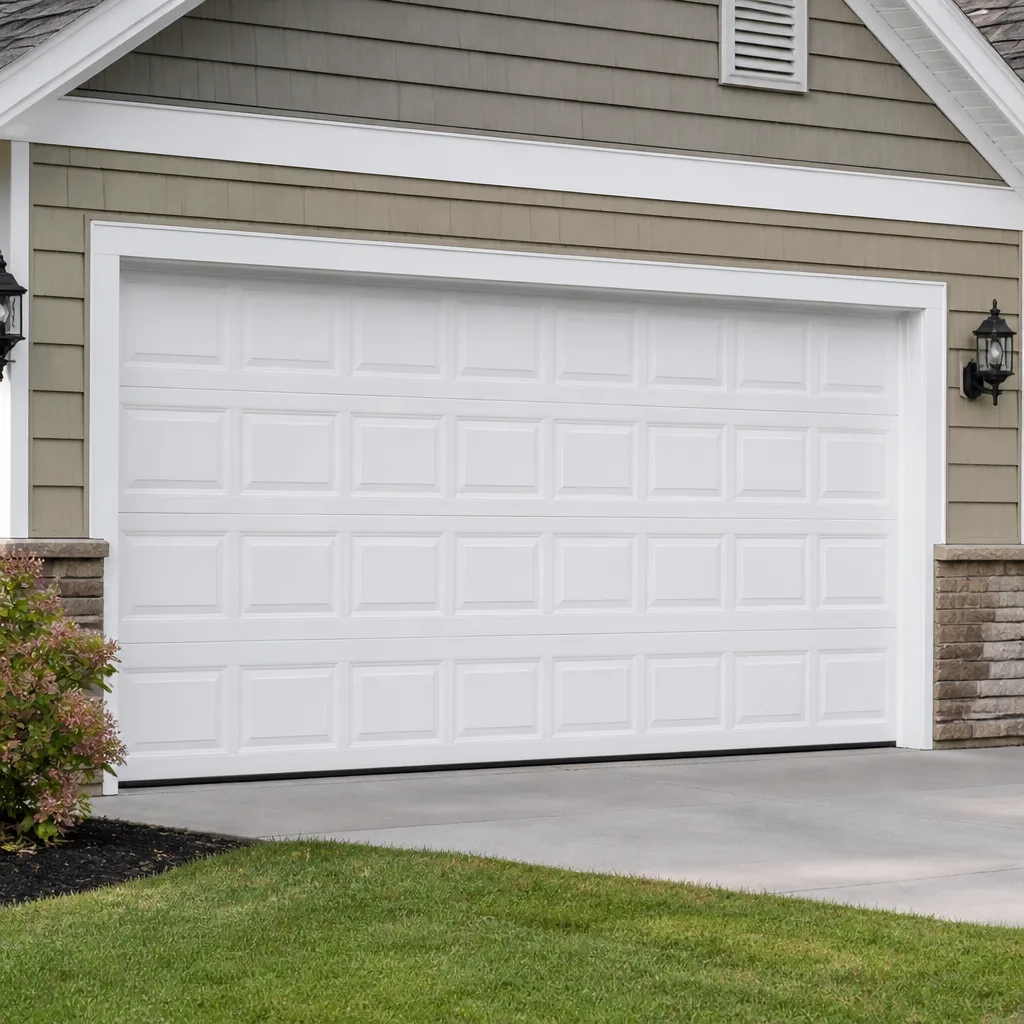 Raised-panel steel
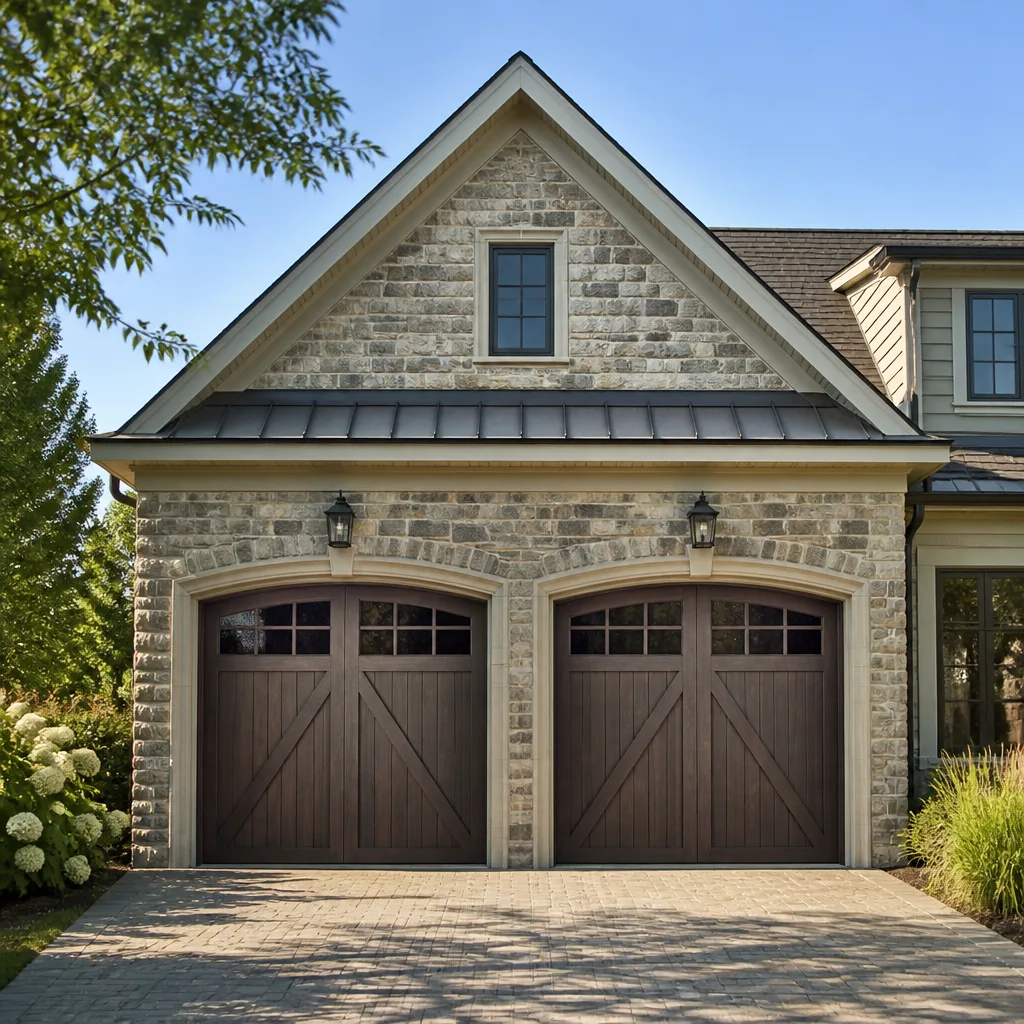 Carriage house
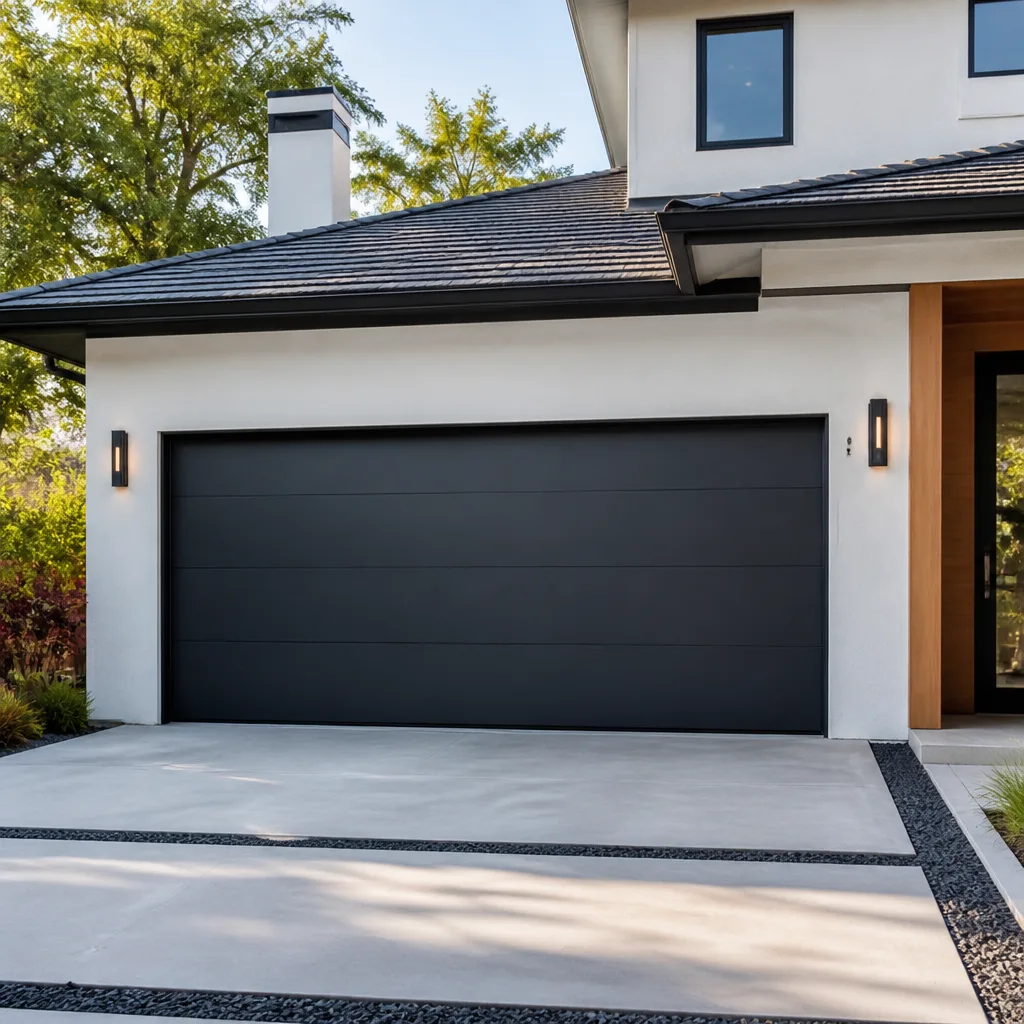 Modern flush
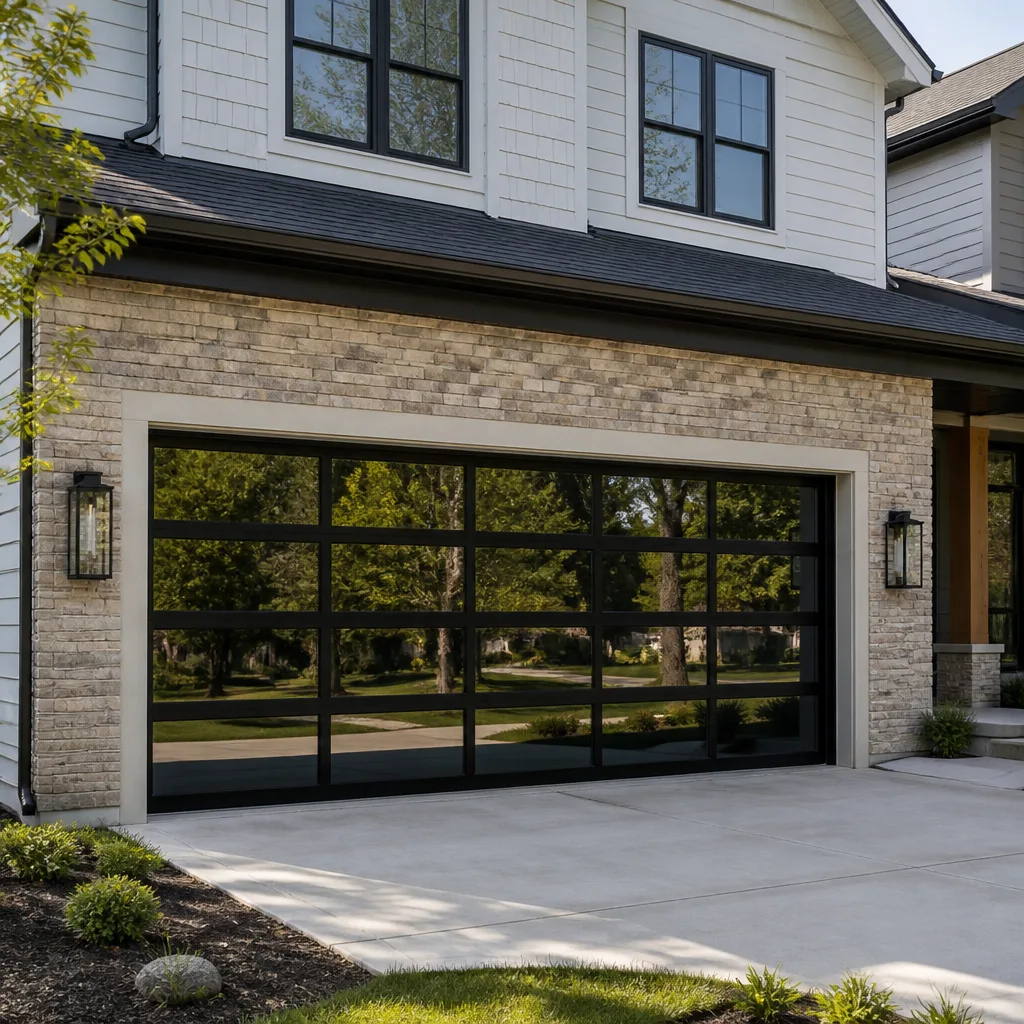 Full-view glass
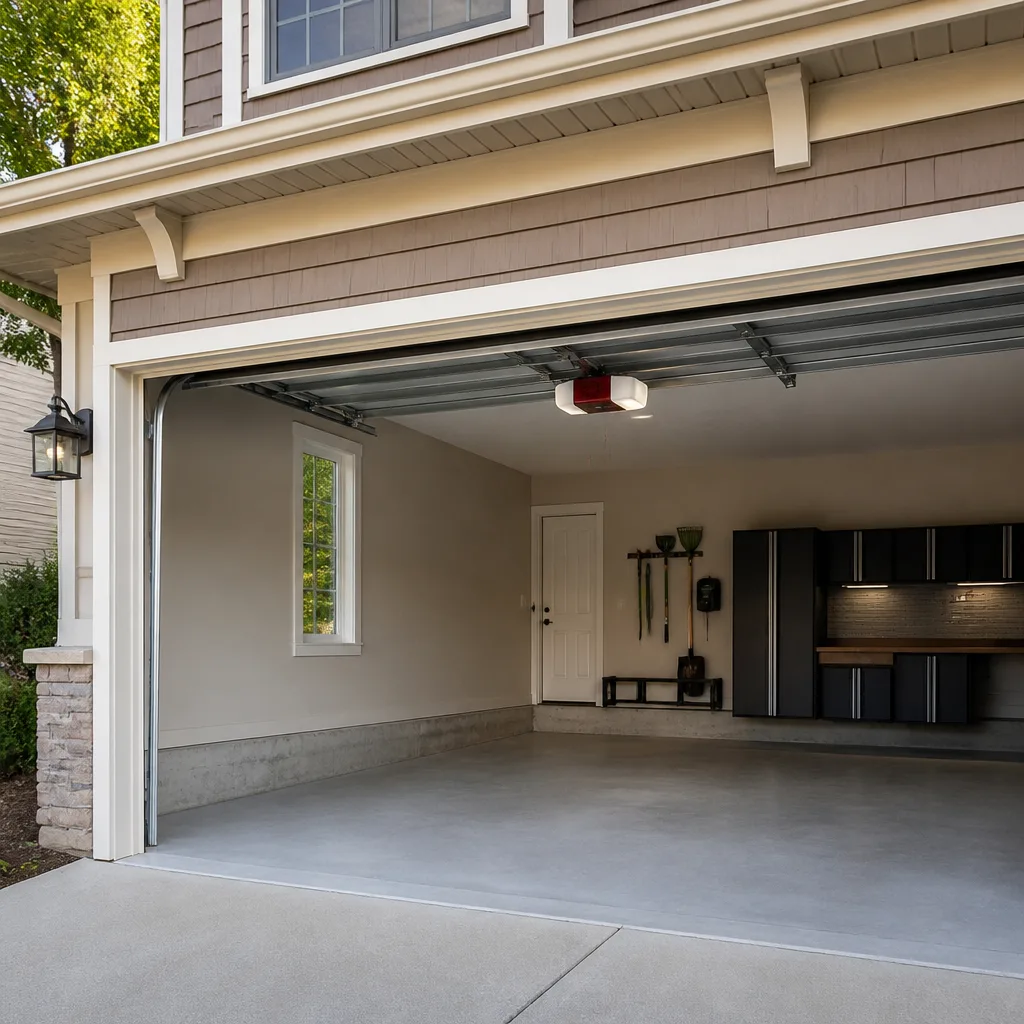 LiftMaster openers
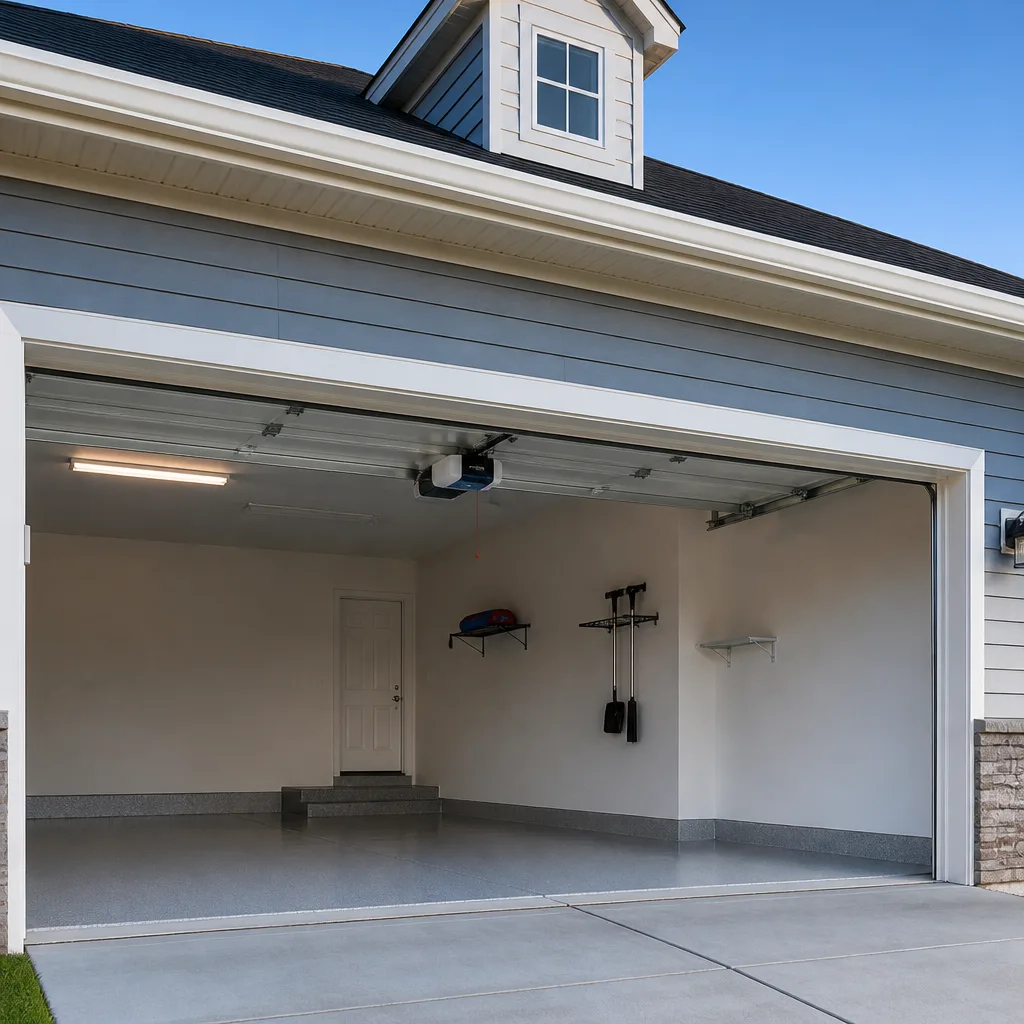 Chamberlain openers
Full 25-point door and opener safety check with every visit - springs, cables, rollers, tracks, and your LiftMaster or Chamberlain opener included
You get a price before we start. It does not change when the pro arrives.
Get your free estimateGarage Door Warning Signs: A Towson Homeowner’s Reference Guide
Most homeowners treat every garage door symptom the same way: they wait. A door that hesitates for two seconds before it closes is a nuisance. A door with a cracked torsion spring that’s still moving is a safety hazard. Those two problems look almost identical from the driveway, and that’s the trap. The noise is the same, the door still opens, and nothing seems urgent until it is. We’ve watched Towson homeowners put off a two-hundred-dollar spring repair and end up paying for a bent door panel and a snapped cable instead, because nobody told them which symptoms are a stop-now warning and which can wait for a scheduled visit. This guide sorts every common garage door symptom into three honest urgency tiers so you stop guessing and start knowing.
Quick Answer
A garage door warning sign is any change in how your door moves, sounds, or responds to the opener, and the symptom itself tells you how urgent it is. Loose springs, snapped cables, a bent track, or a door that reverses unexpectedly mean stop using the door and call for service before you operate it again. Grinding, squeaking, or slow response usually mean schedule repair within the week. Surface rust, cosmetic wear, and minor vibration fall into monitor-and-maintain territory. When you’re not sure which tier a symptom belongs to, that’s the moment to call.
Styles & brands we work with
- Raised-panel steel
- Carriage house
- Modern flush
- Full-view glass
- LiftMaster openers
- Chamberlain openers
Table of Contents
- Why Garage Door Symptoms Aren’t All Equal
- The Three-Tier Urgency System
- How to Tell If the Problem Is the Opener or the Door
- What Each Garage Door Sound Actually Means
- Why a Door That Reverses Unexpectedly Needs Immediate Attention
- Reading Rust and Wear in Towson’s Climate
- A Seasonal Checklist for Towson Doors
- When to Call a Professional
Why Garage Door Symptoms Aren’t All Equal
A garage door is a balanced system, not a single machine. The springs carry the weight, the cables keep the door tracking straight, the opener provides the push, and the panels follow the track. When one part starts to fail, it shows up as a symptom somewhere else. That’s why a grinding sound from the opener might actually be a door that’s out of balance, and why a door that seems to open fine can still be one cycle away from dropping.
Homeowners routinely misjudge this. They hear a sound, assume it’s “just the opener,” and let it run for months. In our experience, that’s the single most common reason a repair that should have been small turns into a replacement. The opener keeps pushing against a door that needs twice the force it should, the gears strip, the motor burns out, and now you’re paying for both the door and the opener.
The fix starts with naming what you’re hearing and seeing accurately. A door that pops once when it starts to move is a different animal from a door that bangs at the end of its travel. Both sound alarming, but only one of them usually means something structural. Learning to tell them apart is the entire point of this guide, and it’s why we built the tier system below.
Towing the door through the rest of this guide: the goal isn’t to make you a garage door technician. It’s to make sure you don’t ignore the wrong symptom, and don’t pay for a service call you didn’t need. Towson homes run the range from older brick colonials near the courthouse to newer construction out toward the county line, and each one wears differently.
The Three-Tier Urgency System
Every symptom you’ll read about in this guide fits one of three tiers. The tier tells you what to do in the next hour, the next week, or the next season.
When in doubt, move up a tier. The cost of a prompt garage door repair is almost always less than the cost of letting a stop-tier problem run.
Tier 1: Stop Using the Door Immediately
These symptoms mean the door is unsafe to operate, and running it can cause injury or serious damage. Do not cycle the door, and if it’s stuck open, secure the space as best you can and call a specialist.
- A torsion or extension spring that’s visibly broken, hanging, or separated
- A snapped lift cable, or a cable that’s gone slack and is off its drum
- A bent or separated track that the door can’t pass cleanly
- A door that reverses unexpectedly or closes on something it shouldn’t
- A door that goes up crooked or binds partway through travel
- Any panel that’s cracked, separating, or pulling away from the hinge
The most common Tier 1 problem we see in Towson homes is a broken torsion spring. It’s loud, unmistakable (a bang you’ll hear from the kitchen), and the temptation to try one more cycle is dangerous. Springs store enormous energy, and a door with a broken spring can fall the moment the opener releases it. Leave it alone and call.
Tier 2: Schedule Within a Week
These signals mean the system is degrading, but the door isn’t a live safety threat yet. Fixing them within the week stops a Tier 2 issue from becoming Tier 1.
- Grinding sounds as the door moves
- Squeaking or squealing that’s new or worse than last month
- An opener that hesitates, stutters, or needs two button presses
- Slow, jerky, or uneven door movement
- A door that’s noticeably harder to lift by hand
- Rollers or hinges showing wear, wobble, or visible flat spots
- Auto-reverse tested and working, but the door feels “heavier” than it used to
Towson’s humid summers and cold snaps put garage door hardware through a real range of stress. Grinding that starts in June usually traces to drier-than-normal pivot points or a roller that’s gone flat after a hard winter. Either way, it’s a scheduled fix, not an emergency.
Tier 3: Monitor and Maintain
These symptoms are cosmetic or minor, and they signal “check on this every few months” rather than “call now.”
- Surface rust spotting on brackets, hinges, and panel seams
- A faint rattle or vibration in the opener rail
- A door that’s slightly louder than it was a year ago but moves cleanly
- Weatherstripping that’s dried, cracked, or pulling loose at the bottom
- Dust on the sensors, or sensors that occasionally need a wipe-down
Don’t let the “monitor” label fool you into ignoring these entirely. Catching surface rust before it reaches a hinge pin, or replacing weatherstripping before it tears, keeps your door in Tier 3 for years instead of letting it slide into Tier 2.
How to Tell If the Problem Is the Opener or the Door
Before you pay for a service call, you can identify whether the problem lives in the opener or in the door with a simple manual release test. This is a check, not a repair; you won’t be opening anything, adjusting anything, or doing any work on the moving parts. You’re just gathering information.
- Close the door fully. Wait until it’s completely down.
- Pull the red manual release handle. It’s usually on the opener rail or on the trolley that travels along it. This disconnects the opener from the door.
- With the door disconnected, lift the door about a foot by hand. Use the lift handle, not the hinges or the panels.
- Let it go. A properly balanced door stays roughly where you left it, or drifts a few inches at most.
What the test tells you:
- The door drops fast or won’t stay up: the problem is on the door side. Worn, broken, or out-of-balance springs, or a binding track. This is Tier 1 or Tier 2 territory depending on severity, and it’s a door issue, not an opener issue.
- The door stays put but the opener won’t lift it when reconnected: the problem is on the opener side. Could be a stripped gear, a bad drive belt, a failing logic board, or a limit switch that’s out of adjustment.
- The door binds when you lift it by hand: check the track visually. A bent track, a loose roller, or debris in the track will show up here.
Reconnect the opener by pulling the release rope straight to re-engage the trolley, then test one cycle. If the door behaved badly on the manual test, don’t cycle it. That’s the point where a specialist should see it.
If the manual test points to the opener, that’s typically a job for garage door opener repair, since modern units from LiftMaster and Genie have safety features and adjustments that aren’t obvious on a homeowner’s first look. If it points to the door, that’s a spring, cable, or track issue, and it’s a specialist call too.
What Each Garage Door Sound Actually Means
Sounds are the door’s most honest signal, and they are not interchangeable. Grinding, squeaking, popping, and banging come from completely different parts of the system, and treating them as one noise leads people to the wrong conclusion. Here’s how to tell them apart.
Grinding
Grinding is a metal-on-metal sound, usually continuous, and it usually comes from the opener’s drive system or from worn rollers meeting the track. On a chain-drive opener, grinding can mean a stretched chain or a gear that’s losing teeth. On a belt-drive, grinding usually means a worn sprocket or an obstruction the door is dragging against. Grinding is almost always a Tier 2 symptom, but if the door slows or stops when it grinds, treat it as Tier 1.
Squeaking
Squeaking is high-pitched and rhythmic, and it usually tracks a roller or a hinge that’s dried out. Squeaking is the most benign of the four because it usually responds to lubrication. If a door squeaks and the movement is otherwise smooth and balanced, it’s Tier 3; if the squeaking comes with jerky motion or a door that feels heavy, it’s Tier 2.
Popping
Popping is a sharp, single sound that often happens once when the door starts to move. On a torsion system, popping can indicate a spring that’s binding or a cable drum that’s slipping. On a track, it can mean a roller that’s coming out of its channel. Popping shouldn’t be ignored because it can be the first clue that a spring or cable is in distress. Treat it as Tier 2 and get it looked at quickly.
Banging
Banging is loud and often comes at the top or bottom of travel. If it’s a bang at the end of the cycle, it’s usually a limit switch that’s out of adjustment on the opener, so the motor is driving the door into the frame harder than it should. If it’s a single bang you heard once and never again, and the door now feels loose, that’s a strong sign of a broken spring. Banging is Tier 1 or Tier 2 depending on what it’s attached to, and when in doubt, call it Tier 1.
For a more direct route to a specific fix, this guide’s companion piece on garage door spring repair covers the sounds and symptoms specific to springs in detail.
Why a Door That Reverses Unexpectedly Needs Immediate Attention
A door that reverses when it shouldn’t isn’t a quirk to live with; it’s a safety sensor problem, and it belongs in Tier 1. Since 1993, residential garage door openers sold in the U.S. have been required to include a photoelectric safety reverse system, and it exists for one reason: to stop the door from closing on a person, a pet, or an object. When that system is misbehaving, the protection it’s supposed to provide is compromised.
Unexpected reversing usually has one of four causes:
- Misaligned sensors. The two sensors at the bottom of the door on either side need to be aimed at each other. A door that closes partway and reverses usually has one sensor knocked slightly out of line.
- A dirty or obstructed lens. Dust, cobwebs, or a leaf blocking the sensor’s eye fools the system into thinking something’s in the way.
- Sensor wiring damage. Wires running from sensor to opener can be nicked by a mower, a car, or a rodent. This is a wiring problem, not something to fix by moving the sensor.
- A faulty sensor or logic board. Even when alignment and cleanliness are perfect, an aging sensor or a failing opener board can produce false reverses.
What to check on your own: wipe the sensor lenses with a soft cloth, look at whether the indicator lights on both sensors are lit and steady, and confirm no objects are in the door’s path. If the door still reverses after that, don’t cycle it repeatedly hoping it’ll fix itself. Call. A door that reverses is telling you it doesn’t trust itself to close safely, and neither should you.
Reversing problems are one of the most common reasons we’re called out on emergency visits. If your door is stuck open and won’t close, that’s the moment for garage door repair Towson service; sitting with an open door overnight isn’t a good option.
Reading Rust and Wear in Towson’s Climate
Towson’s climate puts garage door hardware through real swings. Hot, humid summers make the garage a condensation trap; cold, damp winters work moisture into every seam. The result is that hardware rusts here in a way that’s different from drier regions, and the pattern matters more than the presence of rust.
There’s a simple way to read it:
- Surface rust that wipes off with a cloth or light steel wool: cosmetic. This is Tier 3. It’s normal on brackets, hinges, and any part that’s seen a few summers, and it doesn’t indicate structural compromise.
- Rust that comes back within a month of cleaning: the metal is being attacked continuously. Usually means moisture is reaching a spot it shouldn’t, such as a hinge pin, a bolt head, or a seam at the bottom of a panel. Tier 3 with a note to check quarterly.
- Rust with flaking metal, orange staining running down a panel, or a hinge that no longer moves freely: structural compromise. A rusting hinge can freeze, and a frozen hinge forces the door to flex the panel around it, which leads to panel cracks. This is Tier 2.
- Rust at a panel seam that’s started to bubble the paint or the bottom seal: the water is getting inside the panel. Tier 2, and worth a specialist’s look before the panel fails.
- Rust together with binding or uneven movement: Tier 1. Do not cycle the door while it’s binding.
Towson’s housing stock includes a lot of doors from Clopay, Amarr, and Wayne Dalton, and each brand has its own common wear points. Clopay steel panels tend to show seam rust first. Amarr tends to wear at the bottom seal and the panel edges. Wayne Dalton doors with a single torsion spring over the door show spring-end wear first. Knowing the brand changes where we look, not whether we look. We work on the brand you already have.
A Seasonal Checklist for Towson Doors
Routine checks don’t prevent every problem, but they catch most issues while they’re still Tier 3. Here’s the sequence we suggest, done about twice a year, or after any storm that dropped limbs near the roof.
- Look at the springs. A spring that’s stretched, hanging, or has visible gaps between coils is a call. Don’t touch it.
- Look at the cables. Cables should be taut and drum-wrapped. Slack or fraying cables are a stop-tier warning.
- Test the auto-reverse. Place a roll of paper towels flat in the door’s path and cycle the door down. It should reverse on contact. If it doesn’t, schedule immediately.
- Wipe the sensor lenses. A soft cloth, no water, no solvent.
- Inspect the track for rust and debris. Run a rag along the inside edges and check for grit.
- Look at the hinges. Rust that refuses to clean up, or a hinge that won’t move, is a Tier 2 signal.
- Listen on the way up and down. A new sound is information; note it and describe it accurately when you call.
- Check the bottom weatherstripping. A dry or torn seal lets water and pests in, and it’s easier to replace before the winter.
This checklist takes about fifteen minutes on a Sunday morning and catches the majority of what we find during a first look. What it can’t do is tell you whether a spring is about to fail; that takes a trained eye and a calibrated spring gauge.
Common Mistakes to Avoid
- Cycling a door with a broken spring “just to see if it works.” A door with a broken spring can fall without warning, and the opener’s force settings aren’t designed to hold it. Leave it, and call.
- Adjusting the opener’s force limit to compensate for a heavy door. The force limit is a safety setting, not a power knob. Turning it up to muscle a door that’s out of balance is how openers strip gears and how doors fall.
- Assuming “it’s just the opener” without running the manual release test. Most “opener problems” in Towson homes turn out to be door-side balance issues. The manual test takes five minutes and saves you the wrong call.
- Calling a general handyman for a spring or cable job. Springs and cables store enough energy to seriously injure someone working without the right tools or training. This is a garage-door-specialist job, every time.
- Ignoring surface rust until it becomes structural. A hinge that rusts frozen will crack the panel around it. Wiping rust off once a season is far cheaper than replacing a panel.
- Treating an unexpected reverse as a quirk. A door that reverses unpredictably is a safety system telling you something is wrong. Don’t live with it; fix it.
- Putting a new opener on a door that’s never been balanced. A brand-new opener on a heavy or out-of-balance door will burn out within a season. Balance the door first, then the opener.
When to Call a Professional
Some symptoms clearly call for a specialist. Others are judgment calls, and the honest answer is that a homeowner shouldn’t have to guess. Call us when:
- Any Tier 1 symptom appears, even if the door still opens
- You’ve run the manual release test and the door doesn’t stay put or binds
- A reversing problem doesn’t clear after cleaning the sensors and checking alignment
- Grinding, popping, or banging is new or getting worse
- Rust has started to flake or a hinge won’t move
- You’re ready to replace a worn opener with a new unit
Garage Door Repair Towson offers free estimates in Towson. Call (877) 792-6801. We answer 24/7. Fast dispatch from 7am to 7pm, Sunday through Friday. The price is quoted and agreed before any work starts, so the number you hear on the phone is the number you see on the invoice. Our technicians have up to 11 years of experience, and garage doors are all we do.
See the difference
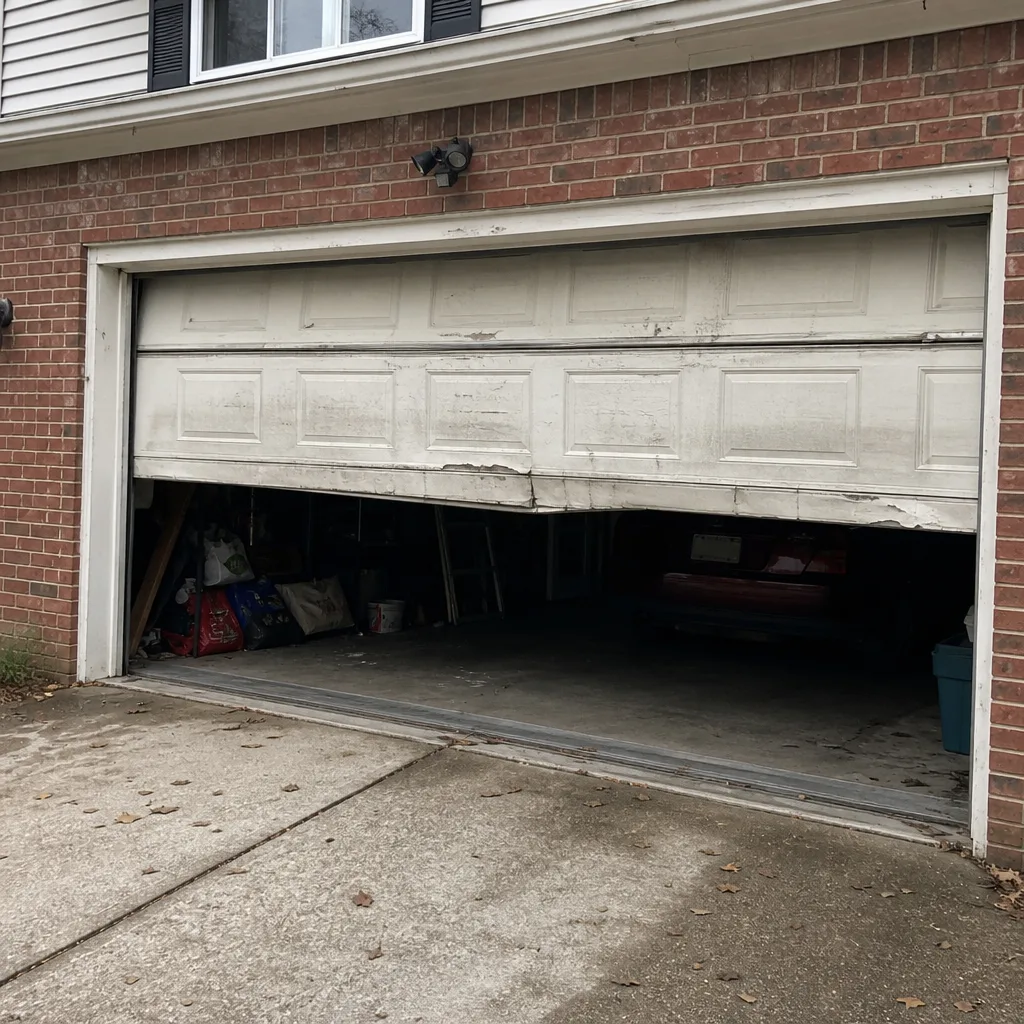 Before
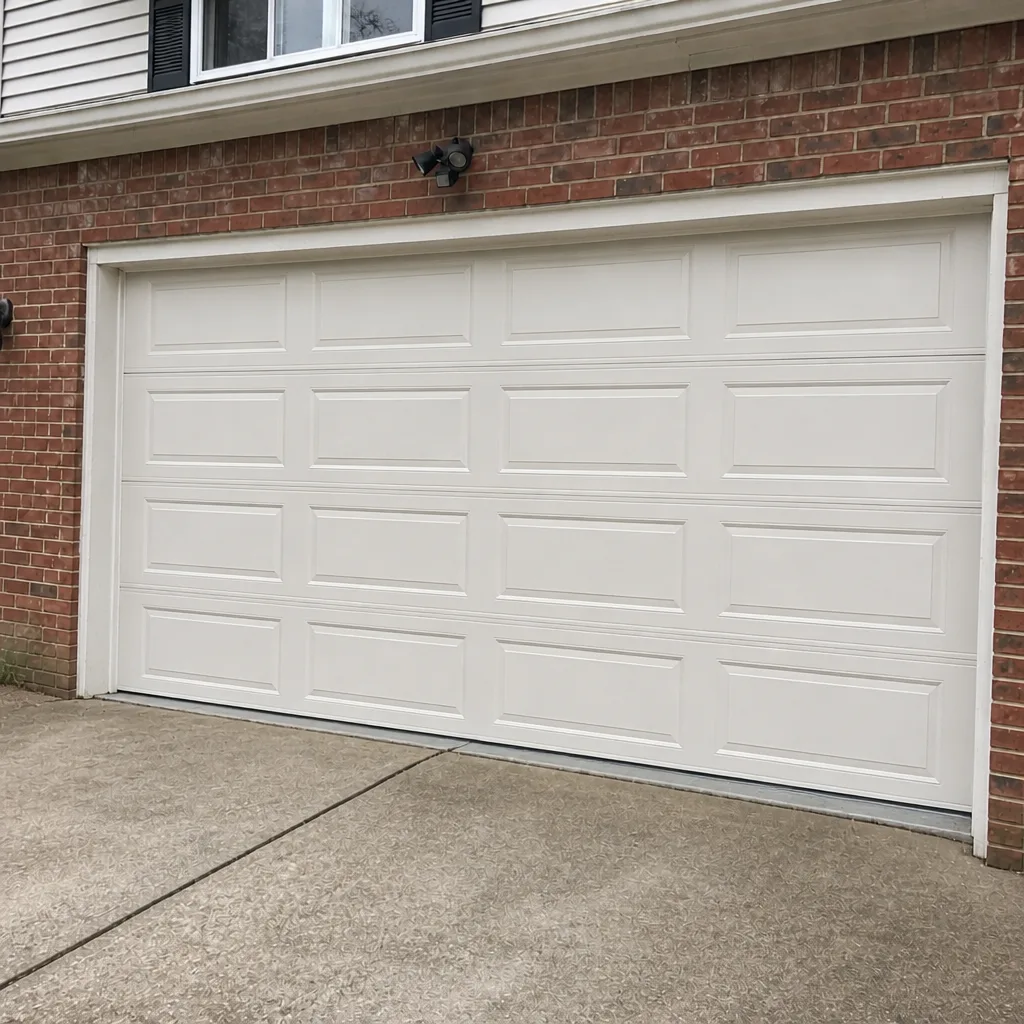 After
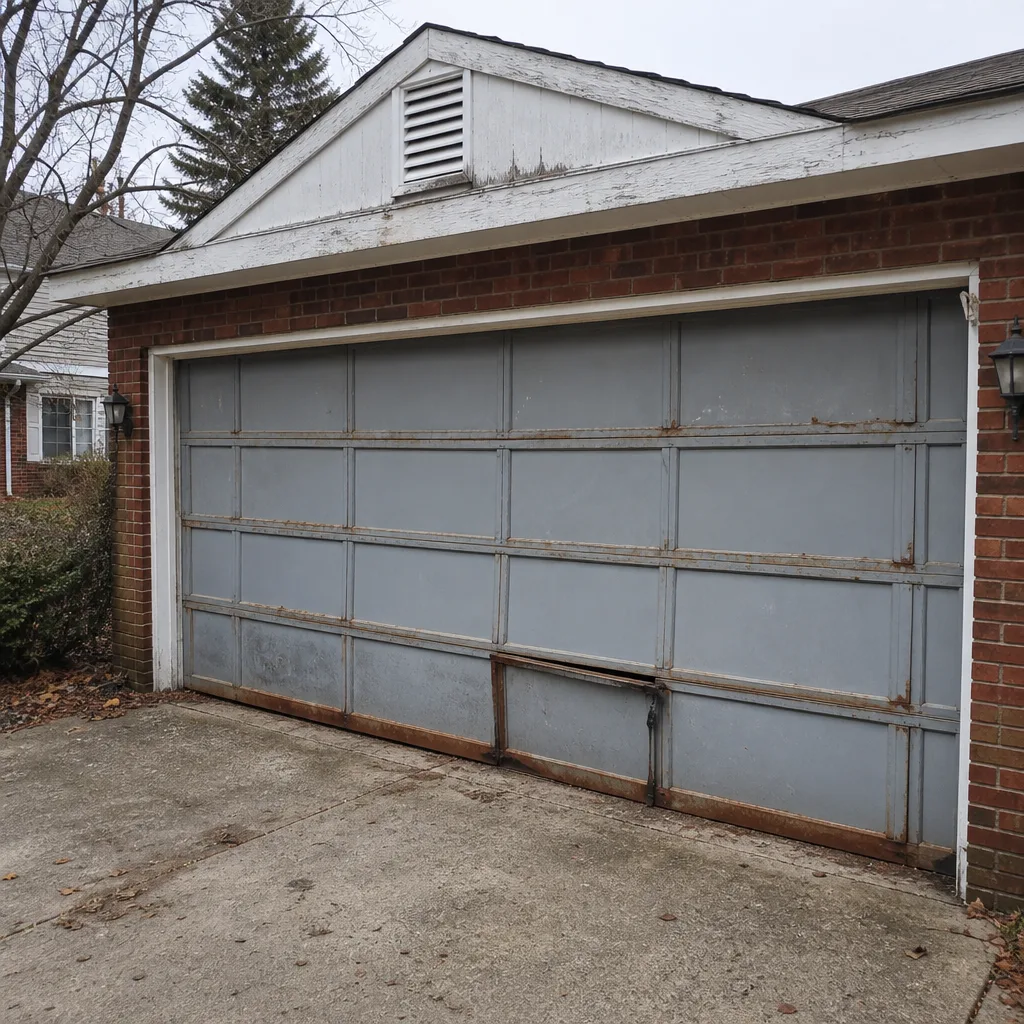 Before
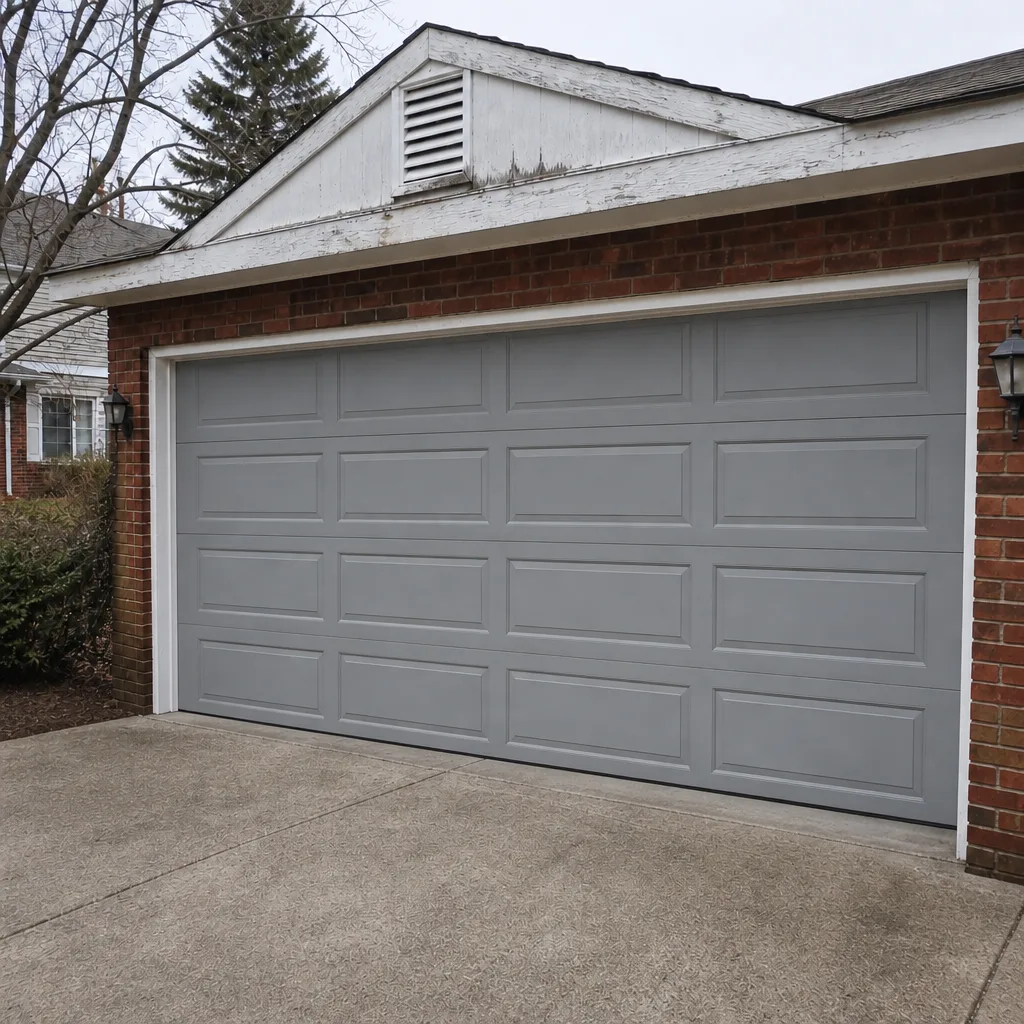 After
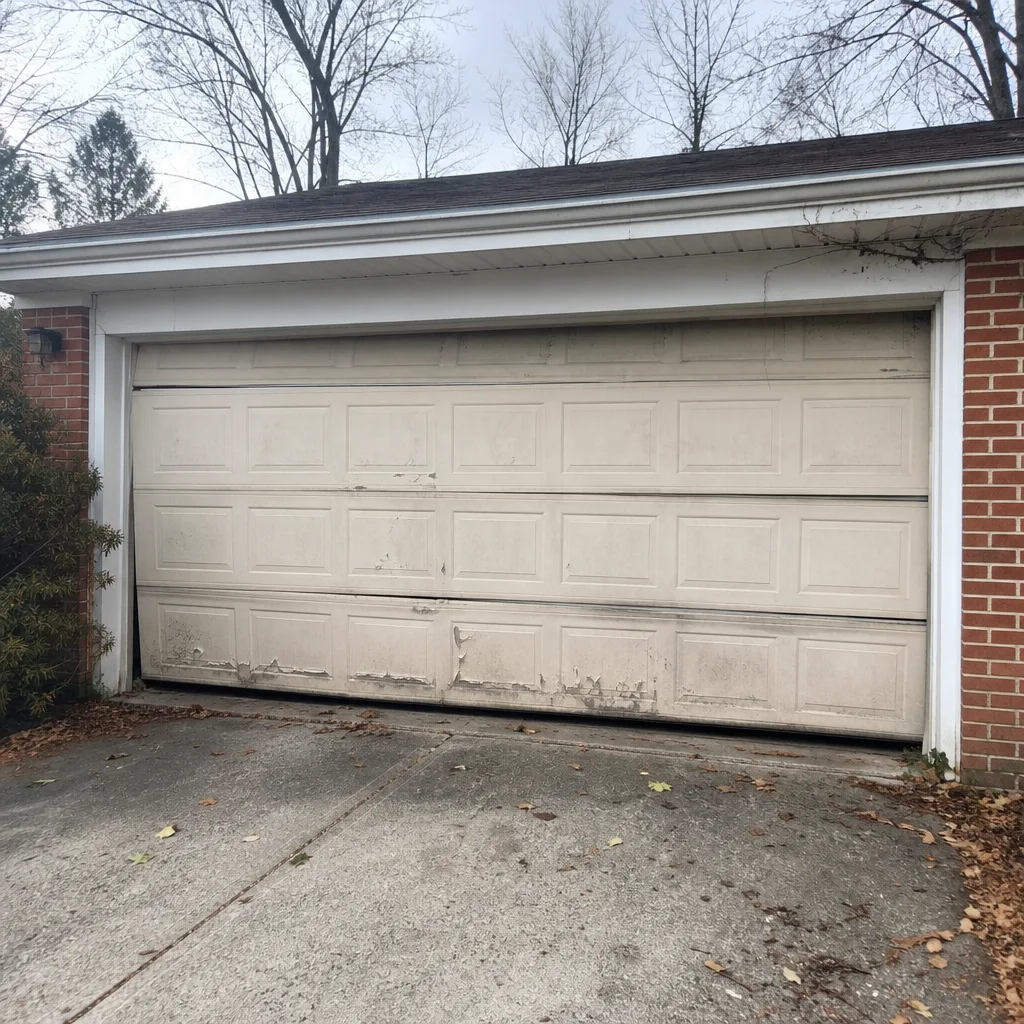 Before
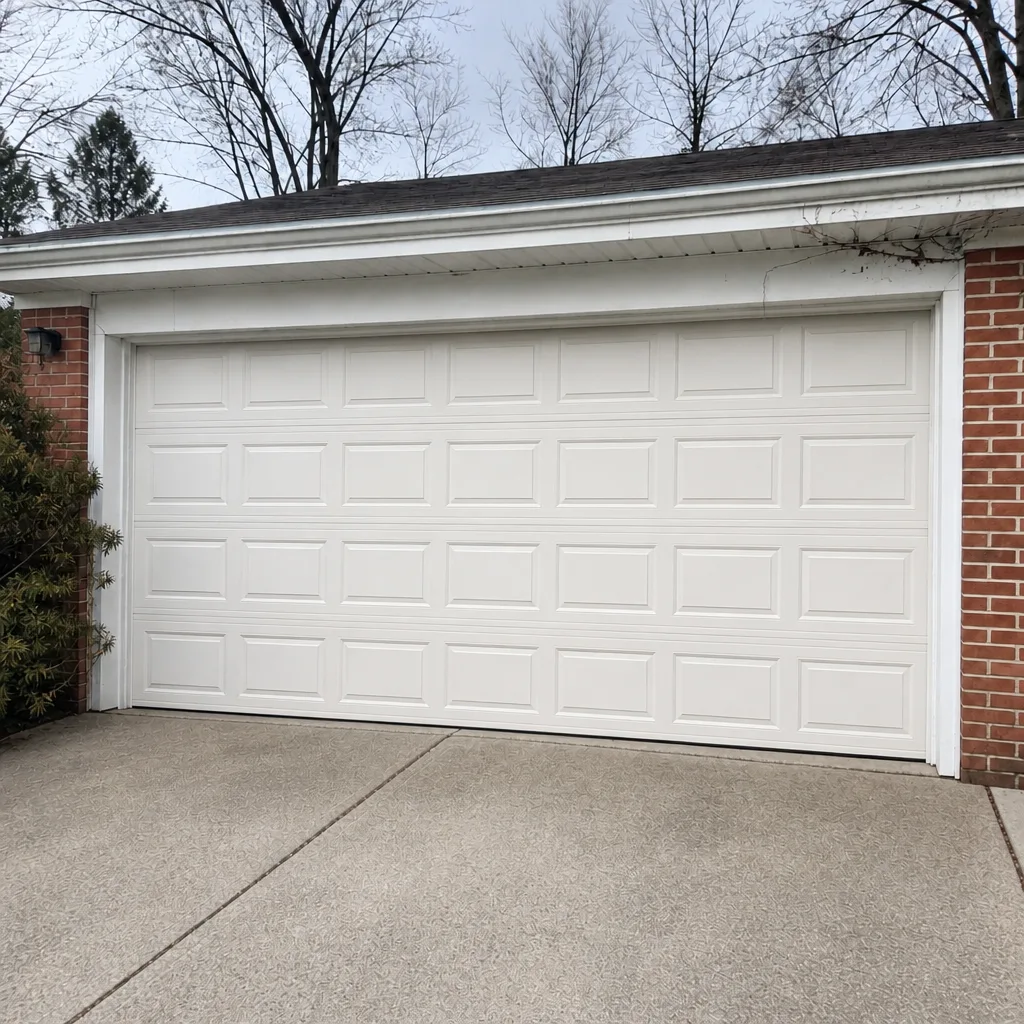 After
Frequently Asked Questions
The most urgent signs are a broken or hanging spring, a snapped or slack cable, a bent track, a door that reverses unexpectedly, and any panel that’s cracked or separating. Any one of these means stop using the door and call for service before you cycle it again. Call (877) 792-6801 for an exact quote; estimates are free.
Yes, same-day and emergency service is available for time-sensitive failures like a door stuck open. We answer 24/7 and dispatch from 7am to 7pm, Sunday through Friday, closed Saturday. A call outside dispatch hours is booked into the next opening. Call (877) 792-6801 to get on the schedule.
Run the manual release test: pull the red handle, lift the door about a foot by hand, and let it go. If the door drops or binds, the problem is on the door side. If the door stays put but the opener won’t move it, the problem is on the opener side. If you’re not sure how to interpret the result, call (877) 792-6801 for an exact quote; estimates are free.
Yes. Towson’s humid summers and cold, damp winters put stresses on springs, hinges, and panel seams that drier regions don’t see. Rust at panel seams and worn hinges are more common here, and spring fatigue shows up after a hard winter. If a symptom appears in late winter or early spring, that’s a signal rather than a coincidence. Call (877) 792-6801 for an exact quote; estimates are free.
No. The price is quoted and agreed before any work starts, and the written estimate sets the final price. If the technician finds a related problem once the door is apart, you’ll get a new quote before any additional work begins, and you decide. Call (877) 792-6801 for an exact quote; estimates are free.
The local pro who performs the work is state-licensed and insured as Maryland requires. We connect you to independent, vetted local professionals who work only on garage doors. Call (877) 792-6801 for an exact quote; estimates are free.
The Bottom Line
The single most useful thing you can take from this guide is the tier system: stop now, schedule within a week, or monitor. Most garage door emergencies we see in Towson started as Tier 2 or Tier 3 symptoms that were left alone for a season too long. Reading the sound correctly, running the manual release test when something feels off, and knowing which rust pattern means “structural” versus “cosmetic” will save you real money and real risk. If a symptom doesn’t clearly fit a tier, that’s your cue to call. Garage doors are all we do, and we’d rather answer a question now than fix a bigger problem later.
Written by the team at Garage Door Repair Towson.