
Last updated November 23, 2026
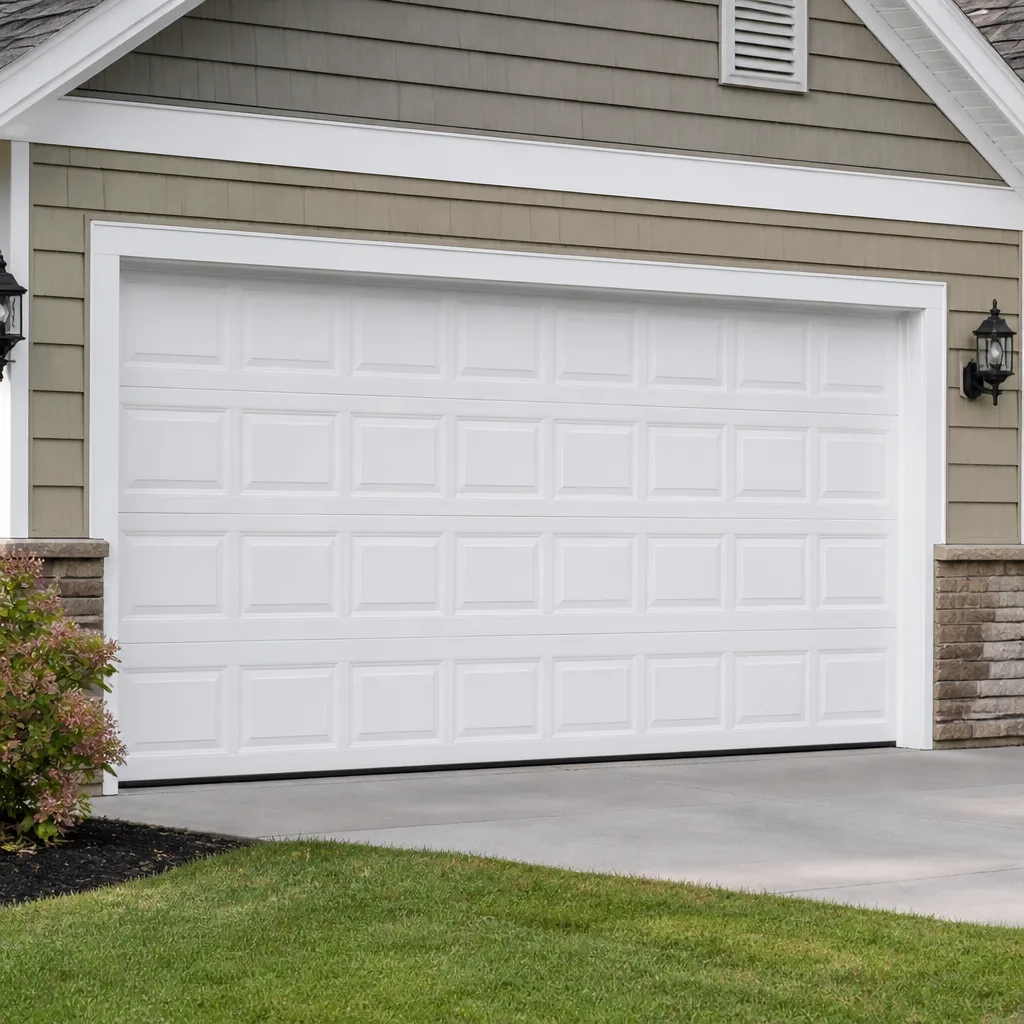 Raised-panel steel
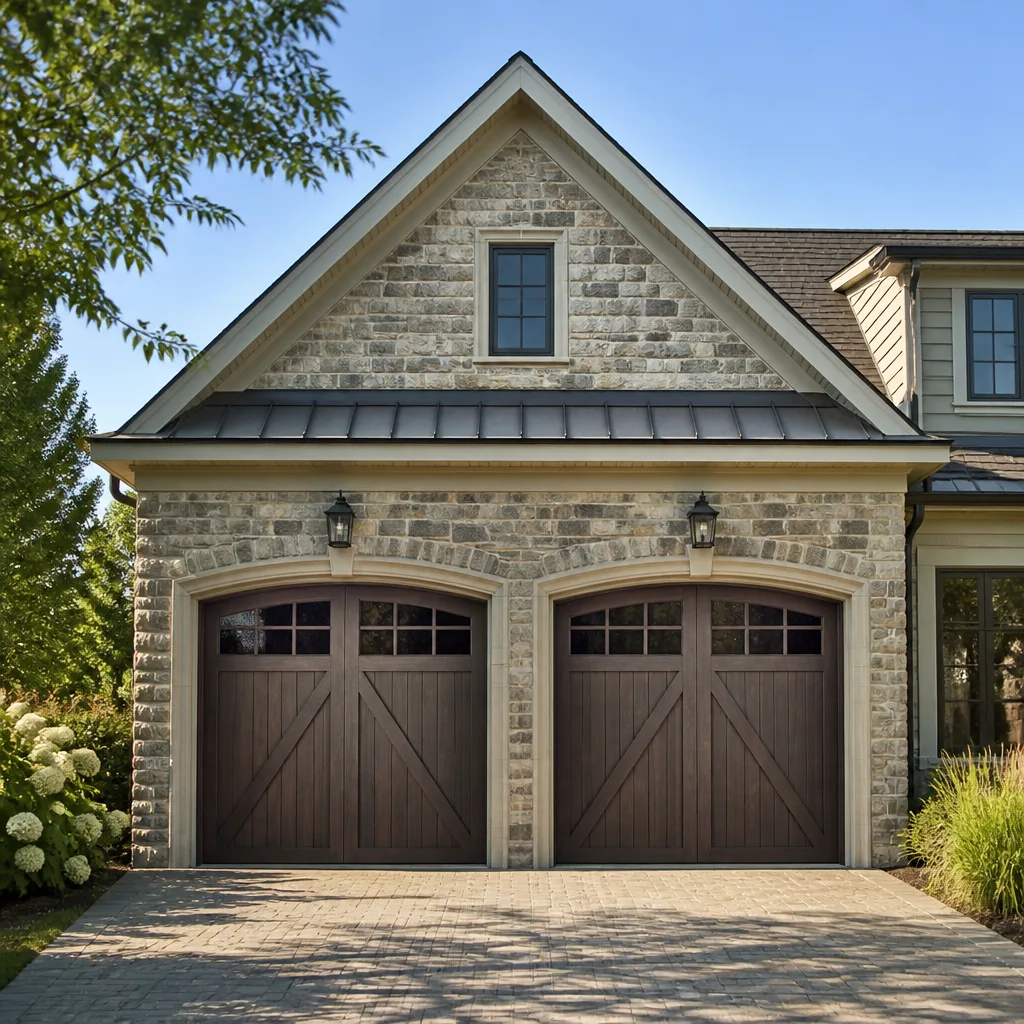 Carriage house
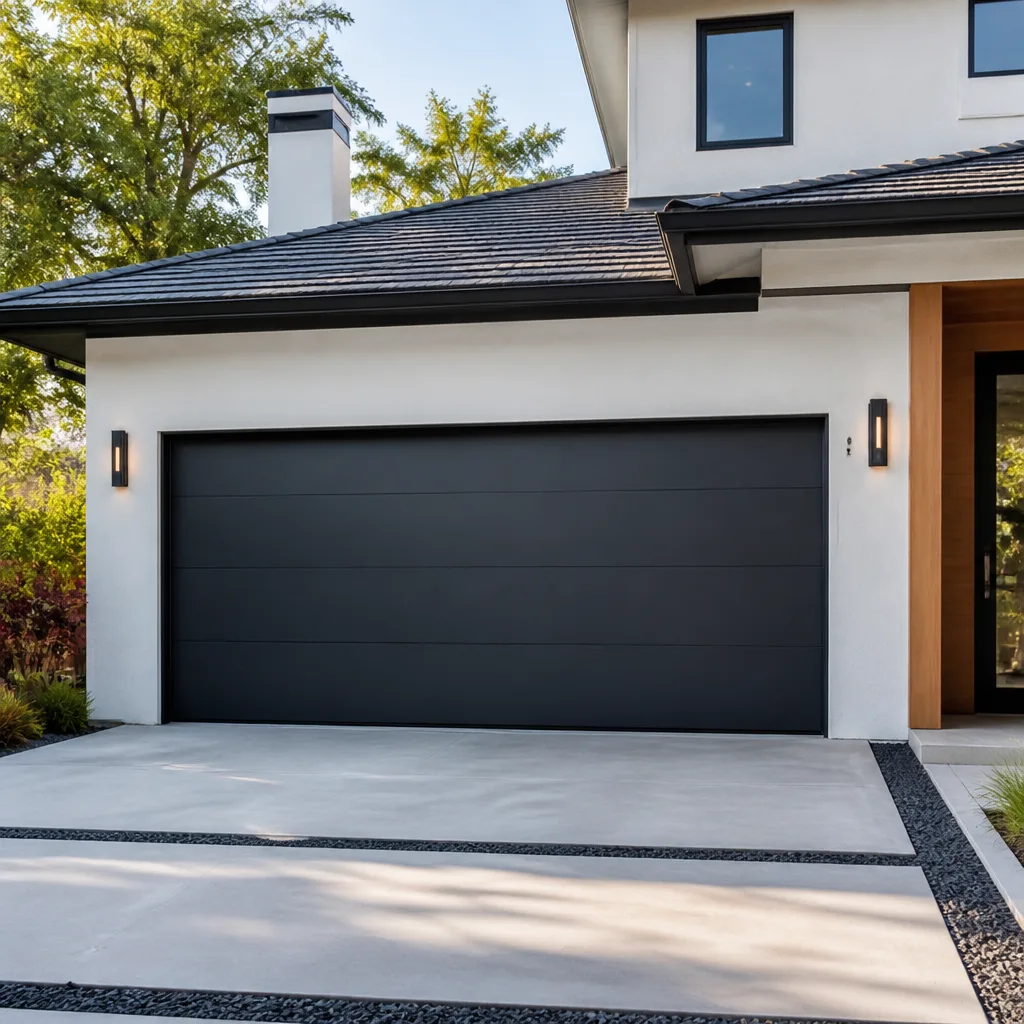 Modern flush
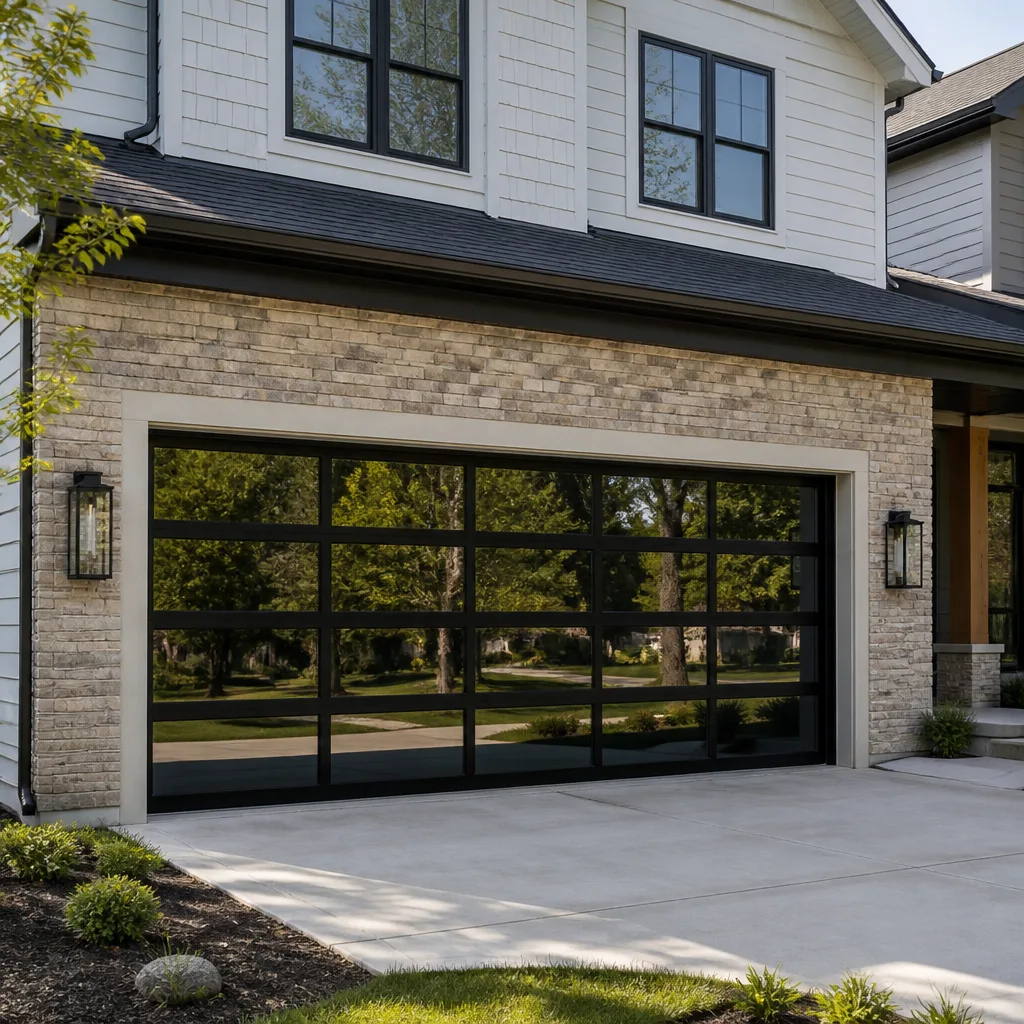 Full-view glass
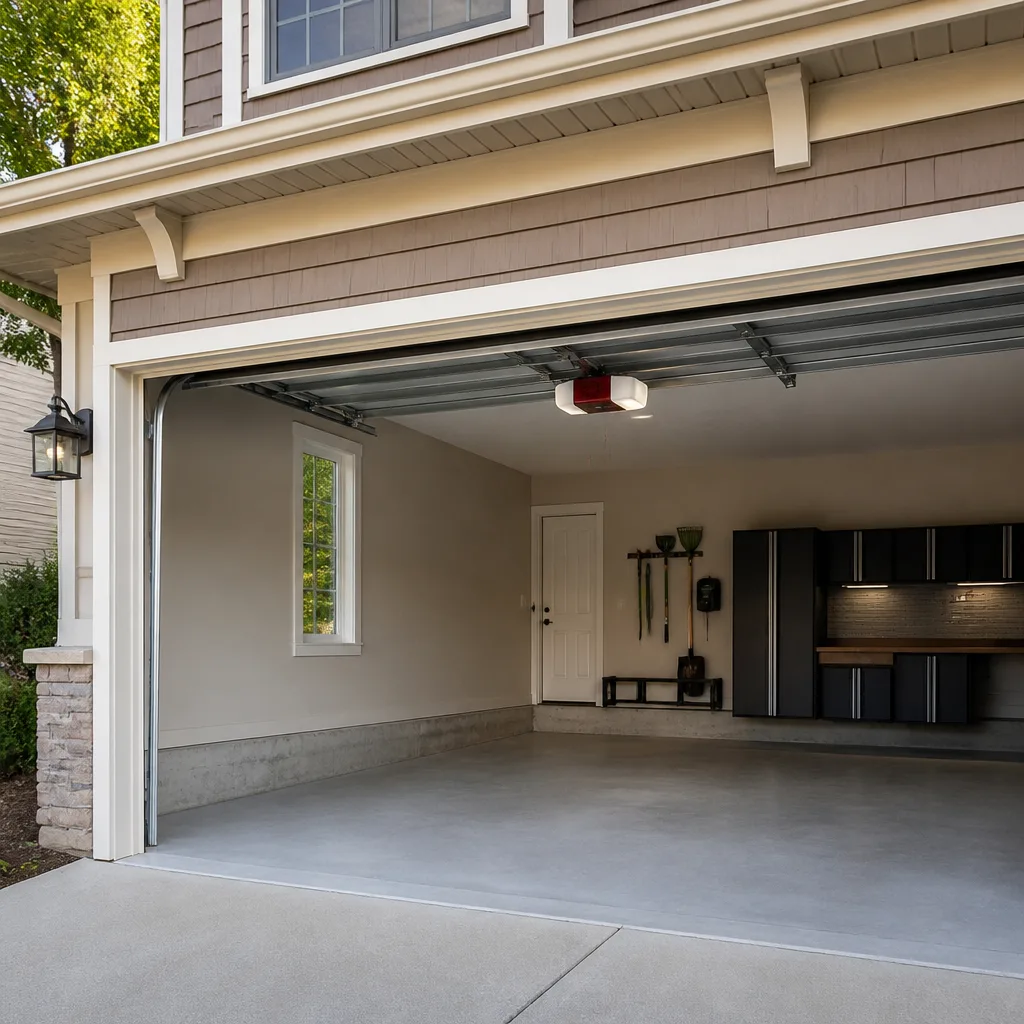 LiftMaster openers
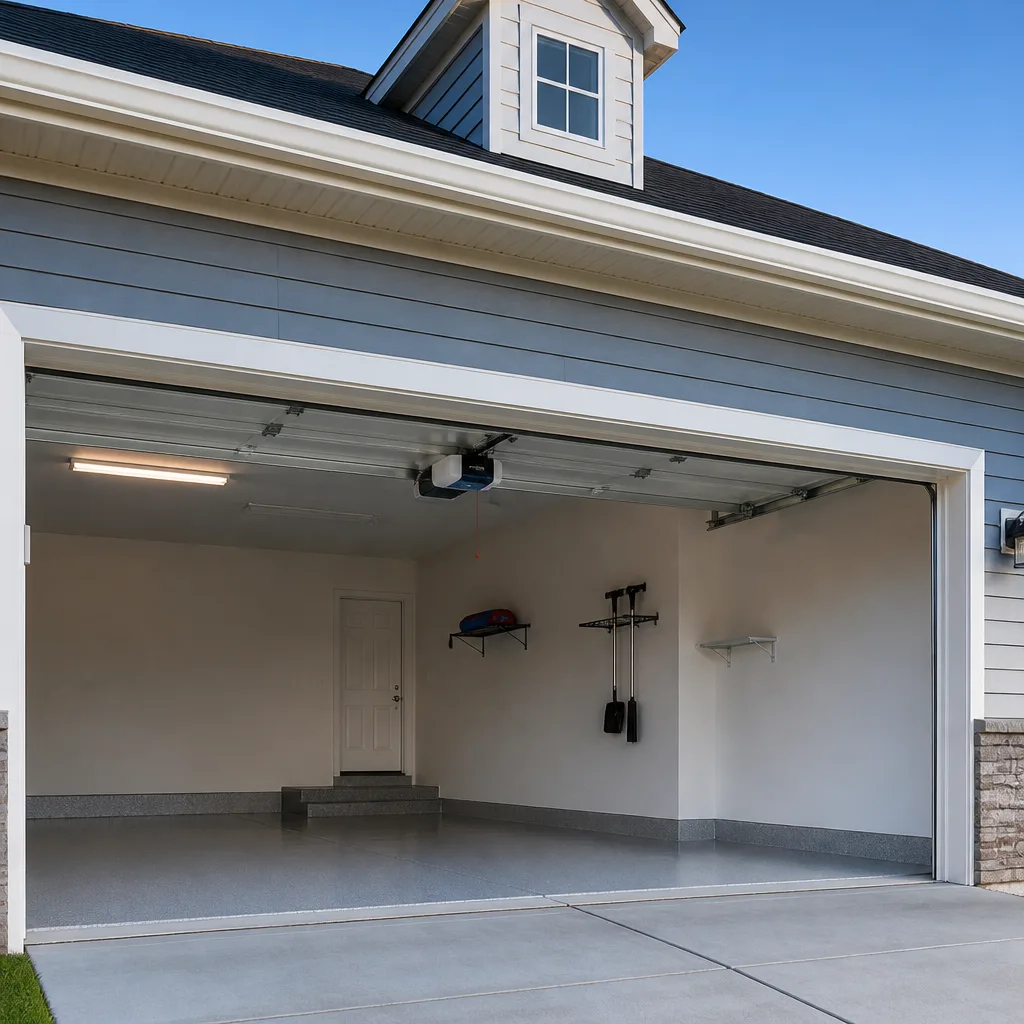 Chamberlain openers
Full 25-point door and opener safety check with every visit - springs, cables, rollers, tracks, and your LiftMaster or Chamberlain opener included
You get a price before we start. It does not change when the pro arrives.
Get your free estimateSeasonal Garage Door Care for Towson: Year-Round Homeowner’s Guide
Most homeowners treat garage door maintenance as a single annual ritual. Some grease the chain, hose down the panels, and call it done. What that habit misses is that the products that work in one season cause problems in another. Lubricant you reach for in a warm August garage thickens and gums up the rollers by the time January pushes temperatures into the teens and twenties. This guide maps specific maintenance tasks to the actual stresses a garage door faces in Towson across all four seasons: winter freeze-thaw that attacks weatherstripping, spring cable inspection after months of cold contraction, summer humidity that distorts wood composite, and fall debris that jams tracks in the neighborhood’s tree-heavy blocks. By the end you’ll know what to check, when to check it, and which jobs belong in a professional’s hands.
Quick Answer
Seasonal garage door care in Towson means matching maintenance to the season’s specific stress: weatherstripping and low-temp lubricant before winter freeze-thaw cycles, a spring and cable inspection in early spring after cold contraction, moisture control for wood composite doors through humid summer months, and track and seal clearing during the wind-driven fall leaf drop. The two jobs no homeowner should attempt are spring and cable replacement and opener electrical work, both of which require a trained technician.
Styles & brands we work with
- Raised-panel steel
- Carriage house
- Modern flush
- Full-view glass
- LiftMaster openers
- Chamberlain openers
Table of Contents
- Why Towson’s Climate Punishes Garage Doors Differently
- Winter: Freeze-Thaw and the Weatherstripping Problem
- Spring: Cable and Spring Inspection After Cold Contraction
- Summer: Humidity, Wood Composite, and Warping
- Fall: Debris, Gutters, and Track Obstruction
- The One Product Swap That Changes Cold-Weather Performance
- Your Four-Season Maintenance Schedule at a Glance
- Common Mistakes to Avoid
- When to Call a Professional
Why Towson’s Climate Punishes Garage Doors Differently
Garage doors don’t wear out on a neat four-season clock in this part of Maryland. Towson sits in a transition zone where a single winter might deliver a week of single-digit nights followed by a rapid climb back above freezing, then another plunge. That swing does more damage to rubber seals and cables than steady cold does. Steady cold is predictable; the freeze-thaw cycle is not, and it finds the weak points in a door’s movable parts faster.
Summer brings its own pressures. Towson’s humid summers hold moisture in the air and in the wood composite materials that finish out many of the area’s garage doors. Fall is defined by a heavy leaf drop from surrounding mature trees and by wind events that drive debris into tracks and behind weather seals. Spring, after the cold season releases its grip, is when the accumulated stress shows up in cables that have stretched and springs that have lost tension.
What this means is that a maintenance plan built for a flatter climate won’t serve you well here. You need to work with the season rather than against it:
- Winter stresses seals, cables, and lubricant viscosity.
- Spring reveals cold-season damage to springs and cables.
- Summer attacks wood composite through humidity and heat.
- Fall brings debris into tracks with wind and leaf drop.
Each season gets its own checklist. If you handle each one, you’ll spend less on repair and avoid the middle-of-winter failures that turn a minor wear item into an emergency. If something does fail unexpectedly, our Garage Door Repair Towson page lays out how to get it addressed fast.
Winter: Freeze-Thaw and the Weatherstripping Problem
Bottom weatherstripping is the first thing to go when freeze-thaw cycles hit. The strip is a rubber or vinyl seal that runs along the bottom edge of the door. In steady cold, it hardens and stays hard. In a freeze-thaw climate, it repeatedly hardens, thaws, softens, and re-hardens, which cracks the material much faster than constant cold would. Once the seal cracks, water and drafts get in, and the driveway-side face of the strip starts to crumble.
Homeowners often replace it with whatever weatherstripping is on the shelf, and the shelf materials aren’t equal. When you replace bottom weatherstripping in this climate, choose a rubber or EPDM (ethylene propylene diene monomer) product over a cheap vinyl. EPDM stays flexible across a wider temperature range, tolerates repeated freezing, and holds its seal longer through the winter cycle. Vinyl is cheaper up front but cracks sooner, especially when the strip flexes on a cold morning.
Here’s the winter checklist:
- Check the bottom seal by hand. Run a finger along the underside of the door with it just off the ground. Any cracking, missing chunks, or hard spots tell you it needs replacement before the next freeze.
- Have your lubricant in place before winter. See the lubricant section for the specifics of what to use.
- Test the balance of the door. With the opener disconnected (so the door moves freely), lift halfway and let go. A balanced door stays put. A door that sags or drops means springs have lost tension, and that’s a technician job.
- Check for frost on the inside panel. Frost or condensation inside a garage door’s panel suggests a broken seal or a draft. Both are fixable, but only if you catch them early.
- Clean the door’s edges. Sand and grit from the driveway collect at the bottom corners. Give those areas a clear-out so the seal closes flat.
Garage doors are meant to seal tightly against cold. A cracked bottom strip is the single most common reason a door “lets the snow in” when the rest of the door is in fine shape.
Spring: Cable and Spring Inspection After Cold Contraction
Spring is when the cold season’s toll shows up in a door’s load-bearing parts. Cables run down the sides of the door and carry the door’s weight along with the torsion or extension springs. Through winter, metal contracts and re-expands, and the cable’s braided strands see repeated stress. A cable that looked fine in November can show fraying or slack by March. Springs lose some of their lift tension over the cold months too, and a door that felt balanced in fall can feel heavy by spring.
This is also the season to be cautious. Springs and cables are under tremendous tension. A broken torsion spring or a snapped cable can cause serious injury if someone tries to handle it directly. We inspect and replace these regularly because it’s a job for a trained technician, not a homeowner project. If you’d like the professional side of this service, our garage door spring repair handles the diagnosis and replacement safely. But there’s a lot you can do yourself to catch problems before they escalate.
The spring inspection protocol:
- Look at the cables for fraying. The strands should be tight and smooth. Any tiny loops, unraveled strands, or obvious kinks mean the cable needs a professional’s attention.
- Listen to the door while it operates. A door that creaks, groans, or bangs is signaling load stress. Note which part of the travel makes noise.
- Watch for a door that lifts unevenly. If one corner rises before the other, one spring or cable is weakened.
- Check for sagging. A door that hangs lower in the middle or lower on one side is a sign the springs have relaxed.
- Do not adjust the springs yourself. If you think they need adjustment, call a professional. The tension needs to be released safely and reset correctly.
Spring also rewards a check on the garage door opener. Cold weather can thin the lubricant. For opener-specific issues, our garage door opener repair covers the details.
Summer: Humidity, Wood Composite, and Warping
Summer in Towson presents a different set of problems. Heat and high humidity are hard on wood composite doors. Composite materials absorb moisture from the air, expand with it, and then contract again when the air dries. Repeated cycles cause panels to cup, edges to swell, and paint to blister. Left alone, that warping can become permanent, which is when a door needs replacement rather than a repair.
The good news is that moisture-related damage is mostly preventable. A composite door that’s kept sealed and dry holds its shape for years. A door that’s never maintained can warp within a couple of seasons, especially on a garage that faces afternoon sun.
Summer tasks:
- Check the paint or sealant on wood composite panels. Any peeling, flaking, or blistering lets moisture into the material. Touch up before the warping starts.
- Look for swollen edges. Run your hand along the bottom and side edges of the door. Any softness or bulging indicates moisture has gotten in.
- Keep the garage ventilated. A hot garage with no air movement holds stale, humid air. A cracked window or a vent helps.
- Check the interior side of the door. Moisture damage often shows inside before it shows outside. Look for dark water stains or mold.
- Clean the tracks and rollers. Summer dust and grit build up in the tracks and wear down rollers faster. A wipe-down makes a difference.
Also check your opener’s sensitivity through the summer. Some openers on Craftsman or Raynor systems will fail to reverse when the weather gets hot, because heat changes how the opener’s internal mechanisms respond. If your door won’t close properly or reverses suddenly, that’s worth addressing before it turns into a stuck door in winter.
Fall: Debris, Gutters, and Track Obstruction
Fall is the season most overlooked for garage door maintenance, but in Towson’s tree-heavy neighborhoods it’s the one that causes the most track problems. Leaf drop and strong wind events push debris against the door, into the tracks on the sides, and behind the bottom weather seal. Debris in the track is the single most common cause of a door that stops, reverses, or binds mid-travel.
The gutters matter too. When a gutter overflows in a fall storm, water is directed down onto the driveway and against the bottom seal. Repeated exposure softens the seal and pushes leaf litter into the bottom corners of the tracks. That’s the source of most fall and early-winter “why is my door stuck?” calls.
Fall tasks, done in a single pass:
- Clear the tracks. Use a stiff brush to sweep out the vertical track on each side. Look especially at the bottom corners where debris collects.
- Clear the gutters near the garage. Check the downspouts and the gutter run nearest the door. Any overflow comes straight down onto the door.
- Sweep leaves away from the bottom of the door. Leave no debris against the bottom seal where it will trap moisture and freeze into place.
- Check the seal after the first soaking rain. If water is coming into the garage after a fall storm, the seal needs replacing before winter hardens it.
- Test the whole system. Open and close the door a few times after clearing the tracks and look for any hesitations or noise.
Fall is also a good time to check the garage door’s opener if you notice the door slowing down or the opener straining. An opener on a Chamberlain or LiftMaster system that starts to struggle in fall is often just fighting debris in the tracks. Clear the tracks first, and if the problem continues, that’s the signal to call.
The One Product Swap That Changes Cold-Weather Performance
Most homeowners use the same lubricant year-round without thinking about viscosity. This is one of the few maintenance choices that actually changes how well your door operates in winter. As the temperature drops, standard white lithium grease thickens. In a Towson January that swings from the teens to the forties and back, the lubricant can thicken, stiffen the hinges and rollers, and put strain on the opener.
The fix is a low-temperature lubricant, not more of the standard grease. A low-temp formula stays fluid at colder temperatures and keeps the moving parts running smoothly through the cold months. You apply it in fall, replace it before the deepest cold, and then switch back to a standard lubricant for the rest of the year.
The swap in practice:
- Fall: apply a low-temperature lubricant to hinges, rollers, and the torsion spring shaft (if you can reach it safely) before the first freeze.
- Throughout winter: if the door starts creaking or feeling sluggish, add a light coat of low-temp lubricant instead of standard grease.
- Spring: clean off old grease buildup and re-lubricate with a standard formula.
- Summer: standard lubricant is fine. Keep an eye on buildup and wipe it clean if it starts to get sticky. High humidity can cause some lubricants to attract dust.
This one change is the most easily measured improvement you can make to cold-weather performance. A door that ran sluggishly in previous winters is often just under-lubricated with the wrong product. If your door still struggles after the swap, the issue may be mechanical rather than lubricant-related. Our garage door repair service can diagnose what’s happening.
Your Four-Season Maintenance Schedule at a Glance
Here’s the whole year on one page. Each line is a task, the season to do it in, and whether it’s a homeowner job or a technician job.
- Fall (before the first freeze): Clear tracks and gutters; sweep debris from the bottom seal; apply low-temp lubricant to hinges, rollers, and the torsion shaft; test the door balance. (Homeowner)
- Early winter: Re-check the bottom seal for cracking; inspect cables for obvious fraying; watch for frost on the inside panel. (Homeowner)
- Mid-winter: Test the door balance by hand (with the opener disconnected); listen for creaking or groaning; note any sluggishness. (Homeowner)
- Late winter: Replace any cracked or missing weatherstripping with EPDM; check for stretched cables. (Homeowner for seal; technician for cable)
- Early spring: Full cable and spring inspection; listen to the door through a full cycle; watch for uneven lift or sagging. (Technician for cable and spring)
- Late spring: Clean off winter grease buildup; reapply standard lubricant; test the opener’s sensitivity. (Homeowner)
- Summer: Check paint and sealant on wood composite panels; look for swelling or water stains; keep the garage ventilated; clean tracks and rollers. (Homeowner)
- Late summer: Inspect opener behavior in the heat; note any reversing or failed close. (Technician if the problem persists)
The general rule: if a task involves loosening, adjusting, or disconnecting anything that carries the door’s weight, it’s a technician job. If it involves cleaning, lubricating, or visual inspection, it’s a homeowner job. Our technicians have up to 11 years of experience and handle only garage doors. That focus makes a real difference on jobs that require taking the tension out of a spring or tracing an opener fault through the wiring.
If you’re in doubt about where a task falls, the answer is to call. Our technicians work on eight major door and opener brands, so whatever system is on your door, we know its seasonal behavior and its wear patterns.
Common Mistakes to Avoid
- Using standard white lithium grease in January. It thickens with the cold and puts strain on the opener. Swap to a low-temperature formula before the first freeze and switch back in spring.
- Replacing weatherstripping with cheap vinyl. Vinyl cracks sooner under freeze-thaw cycles. EPDM costs a little more and lasts longer in a Towson winter.
- Ignoring leaf debris in the tracks until the door sticks. In tree-heavy neighborhoods, fall leaf drop and wind events push debris into the tracks every week during October and November. A quick sweep after each wind event prevents most of it.
- Adjusting the springs yourself. Springs carry the full weight of the door under tension. A slip can cause serious injury. Leave adjustment and replacement to a trained technician.
- Skipping the post-winter cable check. Cables that look fine in spring can be weakened by months of cold contraction. Get them inspected before the first real test of the season.
- Painting over a swollen composite panel. Paint hides the visible swelling but doesn’t fix the moisture content. Check the interior panel for water damage before painting over it.
- Waiting for a door to fail before doing anything. A door that feels sluggish or creaks in December is asking for maintenance, not a warning to ignore. A small fix in fall becomes a full replacement in three seasons if the wear is never addressed.
See the difference
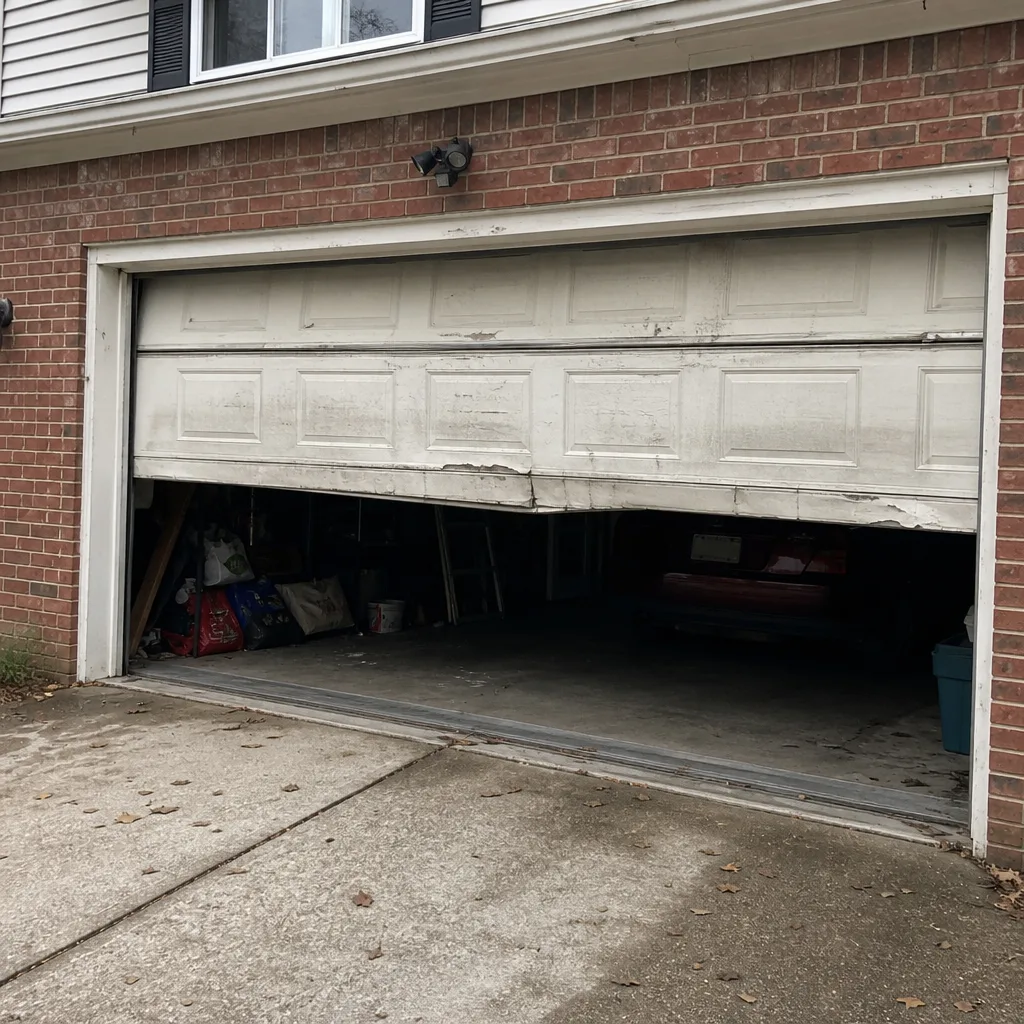 Before
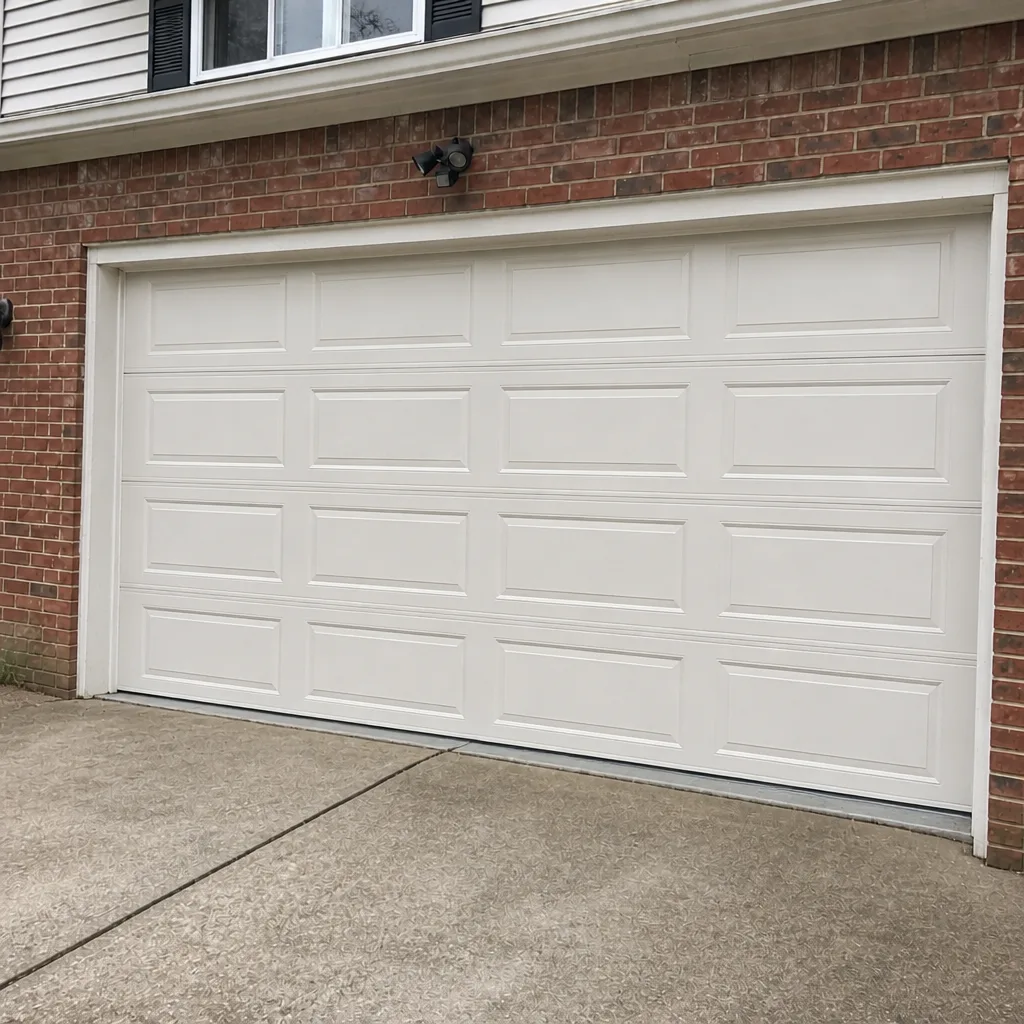 After
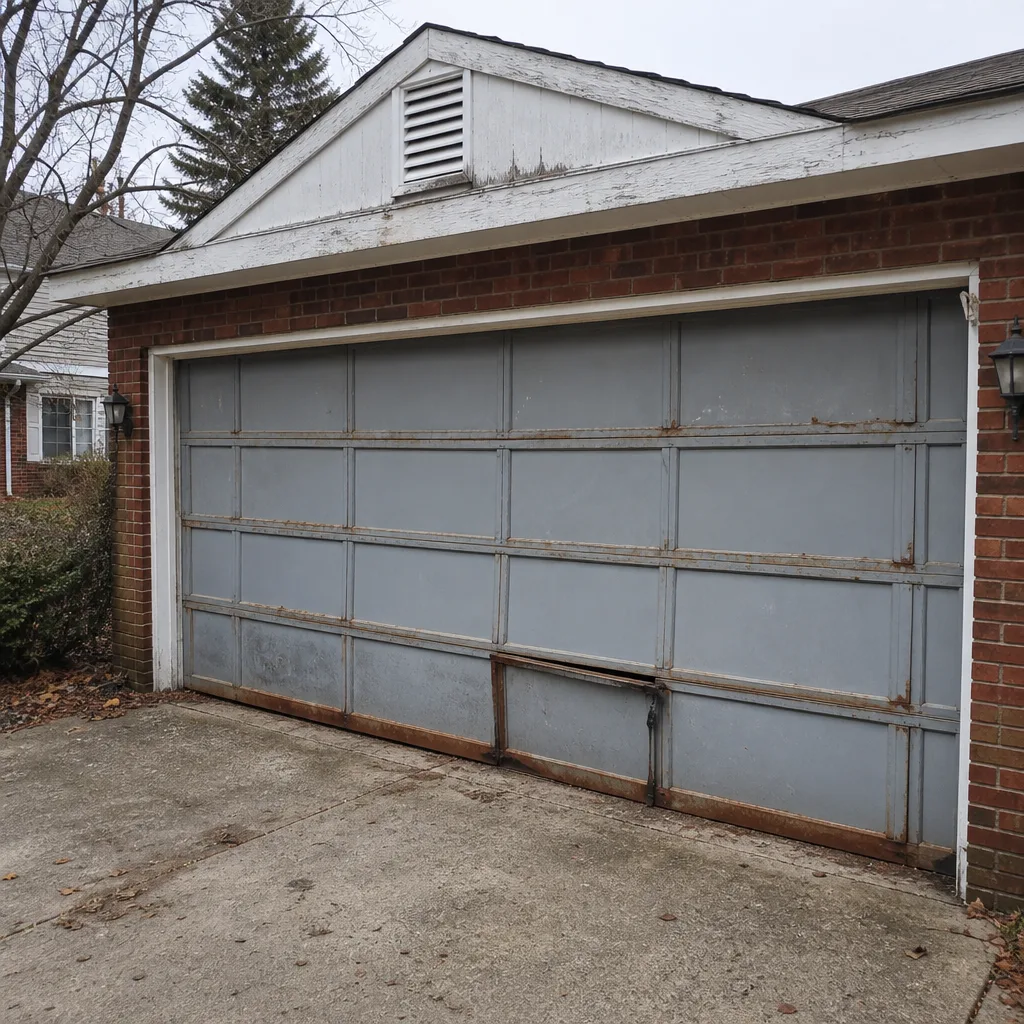 Before
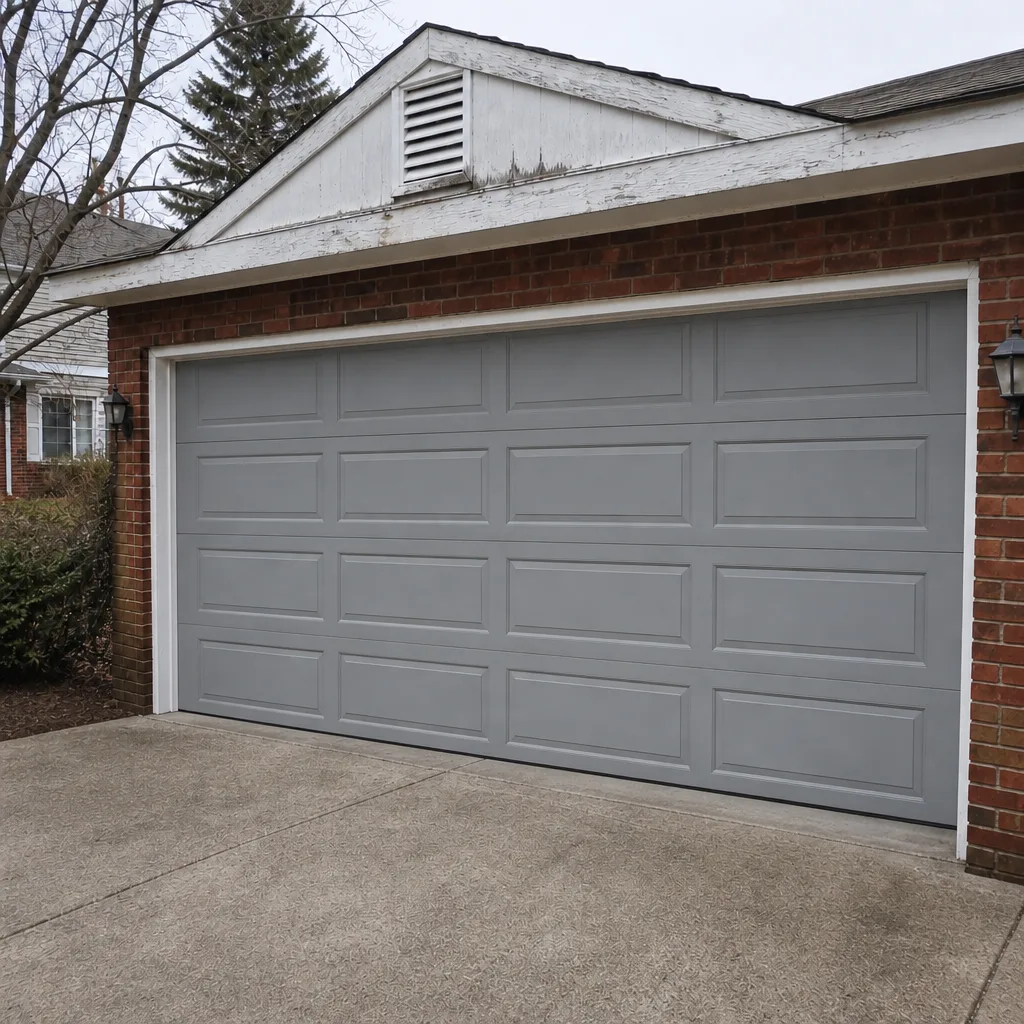 After
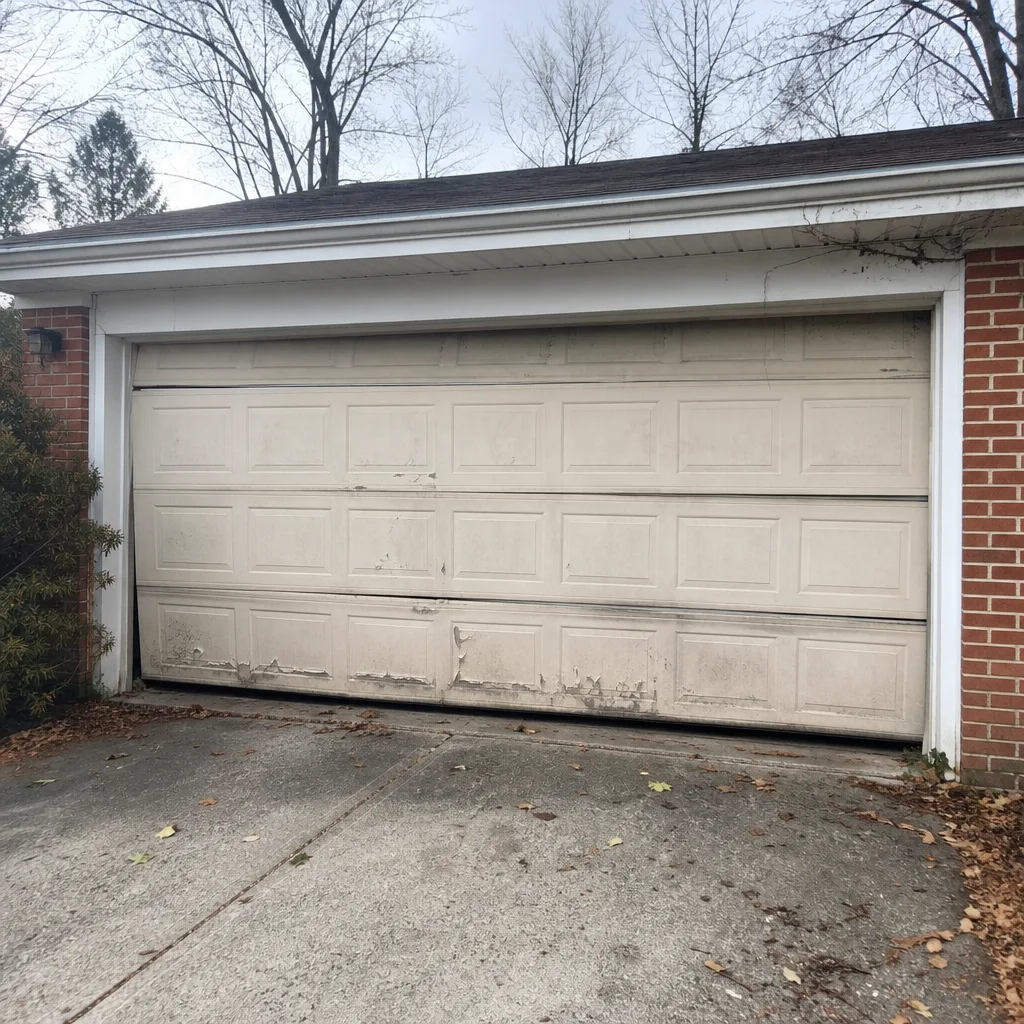 Before
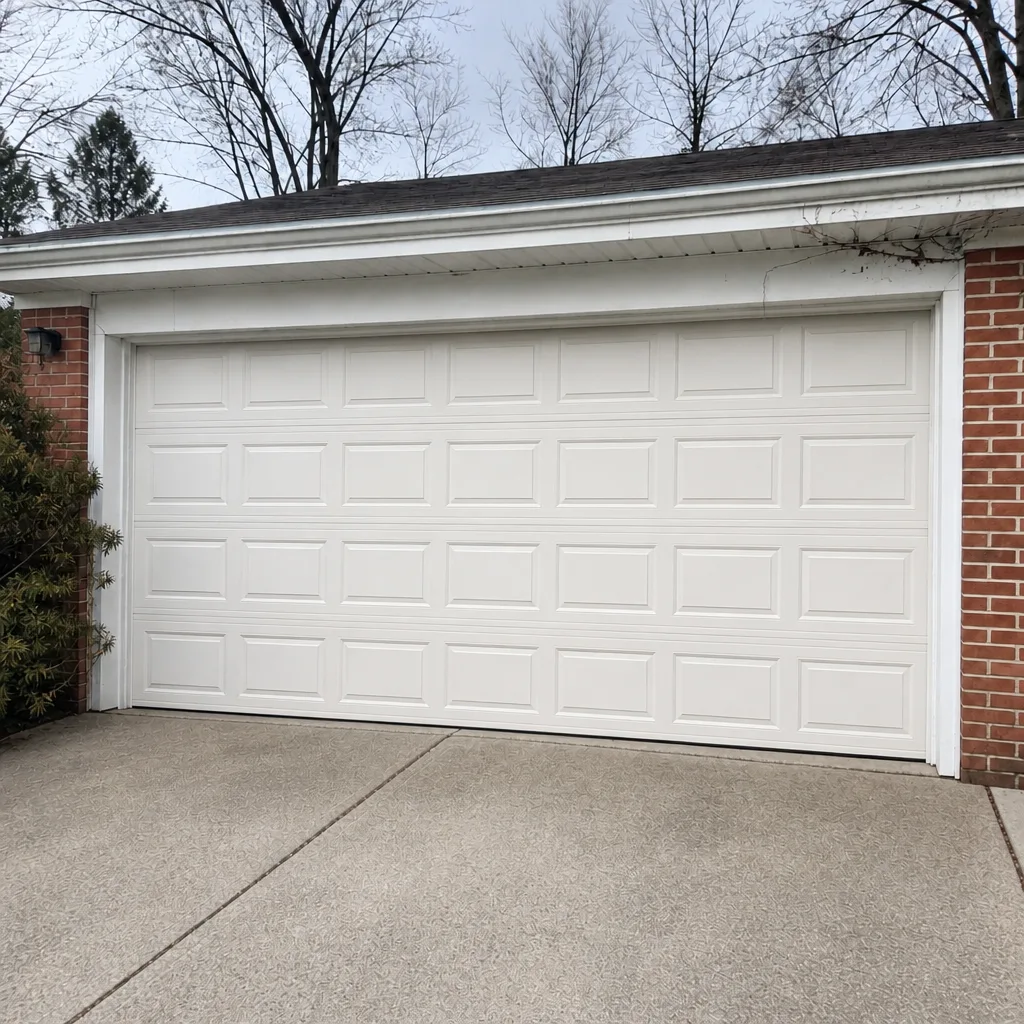 After
When to Call a Professional
Most of the seasonal checklist is homeowner work: cleaning, lubricating, inspecting, and swapping weatherstripping. A few things should always go to a professional. Any sign of a frayed, slack, or snapped cable. Any suspicion that a spring has lost tension or broken. A door that reverses or fails to close, which usually points to an opener issue or a misaligned sensor. A composite door with visible swelling or soft spots that paint won’t fix. And any job where the door needs adjustment or disconnection of a load-bearing component.
Garage Door Repair Towson offers free estimates in Towson, and if the issue turns out to be an emergency – a door stuck open in January or a cable that let go – we answer 24/7 with fast dispatch from 7am to 7pm, Sunday through Friday. If you’d like to see everything we handle, from our brand-fluent repair work to full door replacement, the main service page covers the full spectrum. Call us at (877) 792-6801.
Frequently Asked Questions
A full inspection once a year, plus a seasonal check at the start of each season, is the right rhythm in this climate. The freeze-thaw patterns here are harder on seals and cables than steady cold, so seasonal checks catch wear earlier. Lubricant changes with the seasons, which makes a fall and spring swap worthwhile.
Winter sticking usually comes from stiff lubricant, cracked weatherstripping that binds on the cold driveway, or a door that’s out of balance. The first fix is a low-temperature lubricant. If the door still sticks, the cause is likely mechanical. Call us and we’ll take a look.
No. Springs and cables are under high tension and can cause serious injury if handled incorrectly. Replacing them requires releasing and resetting tension safely, which is a technician job. This is one of the most dangerous parts of the door, which is why we handle it as a core service and not a referral.
EPDM or rubber weatherstripping. Vinyl cracks faster under repeated freezing and thawing, and it loses its seal sooner. EPDM stays flexible in cold weather and holds up better across multiple winters. If you want to see how the pros handle seal replacement, this is part of the garage door repair work we do throughout the area.
Keep the door sealed and dry. Check the paint and sealant every spring, and touch up any peeling or flaking before the summer humidity gets in. Also check the interior panel for water stains, since moisture damage usually shows on the inside first. If the panels are already soft or swollen, a repair may not be possible and replacement might be the better option.
Yes. We work on the major brands you’re likely to have, including LiftMaster, Chamberlain, Genie, Clopay, Amarr, Wayne Dalton, Craftsman, and Raynor. Our technicians are trained on all eight. If you don’t see your brand, call and we’ll confirm.
The Bottom Line
Seasonal garage door care in Towson is about matching the maintenance to the season. Fall clears debris and installs low-temp lubricant. Winter watches the weatherstripping and the balance of the door. Spring handles cable and spring inspection after the cold. Summer manages humidity and composite panel damage. The two jobs no homeowner should do are spring and cable replacement, which require releasing high tension safely. The rest you can handle yourself with a seasonal checklist. If a door is beyond the routine and needs a professional, Garage Door Repair Towson offers free estimates and handles the full range of repair and replacement work. Call (877) 792-6801.
Written by the team at Garage Door Repair Towson.