
Last updated November 23, 2026
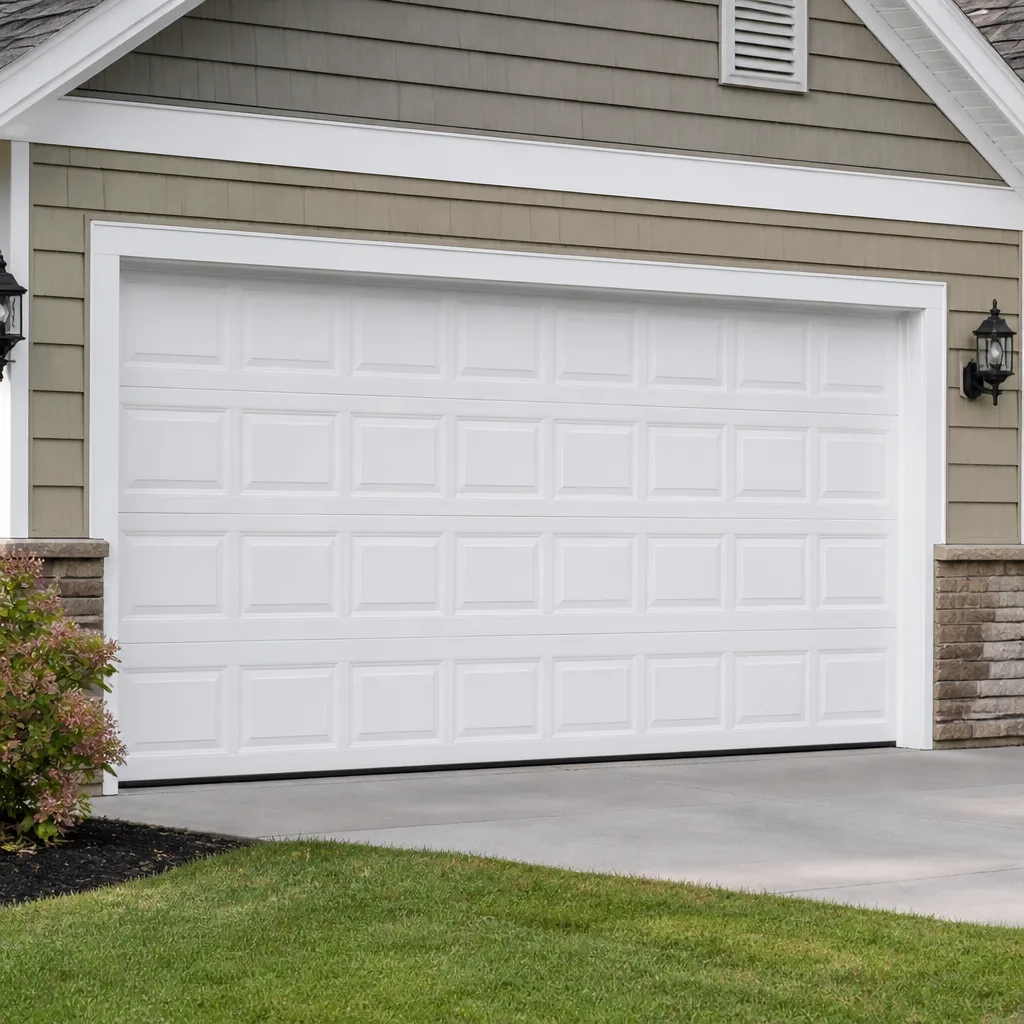 Raised-panel steel
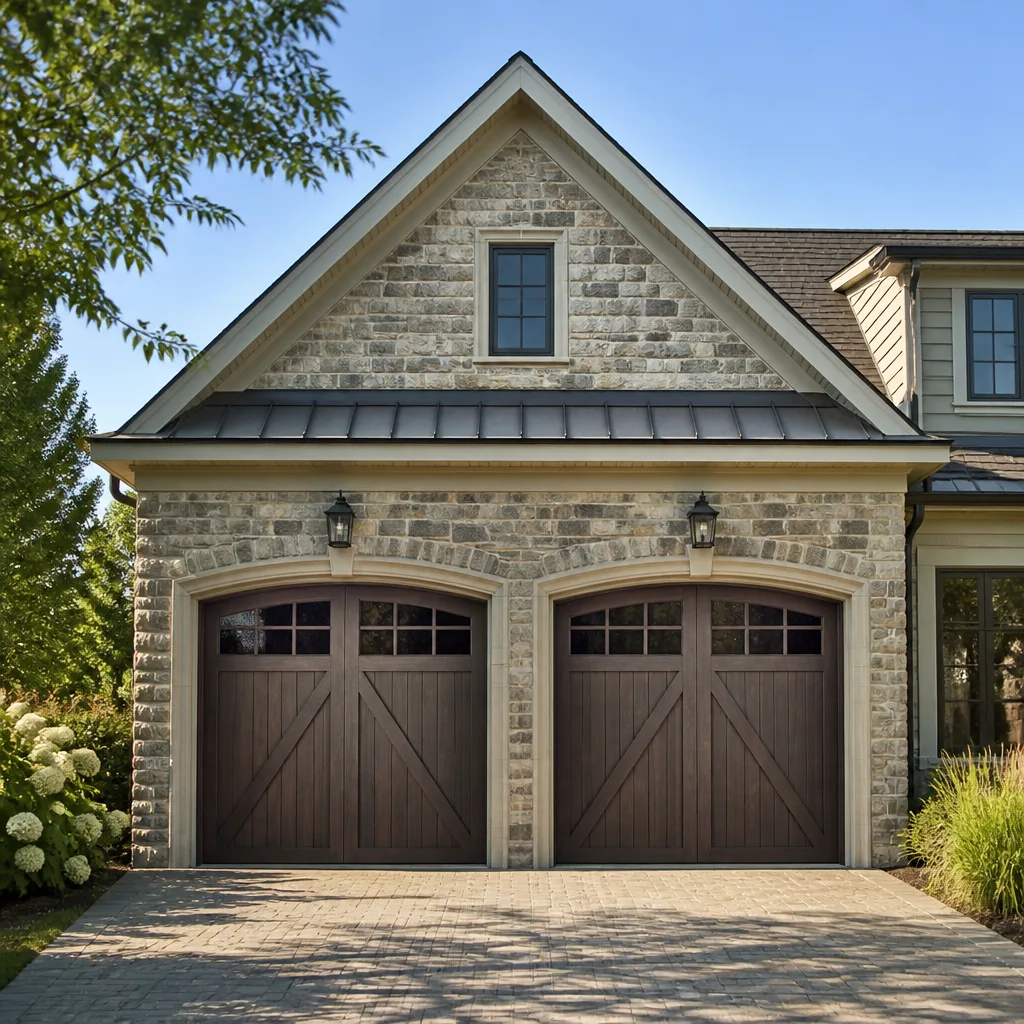 Carriage house
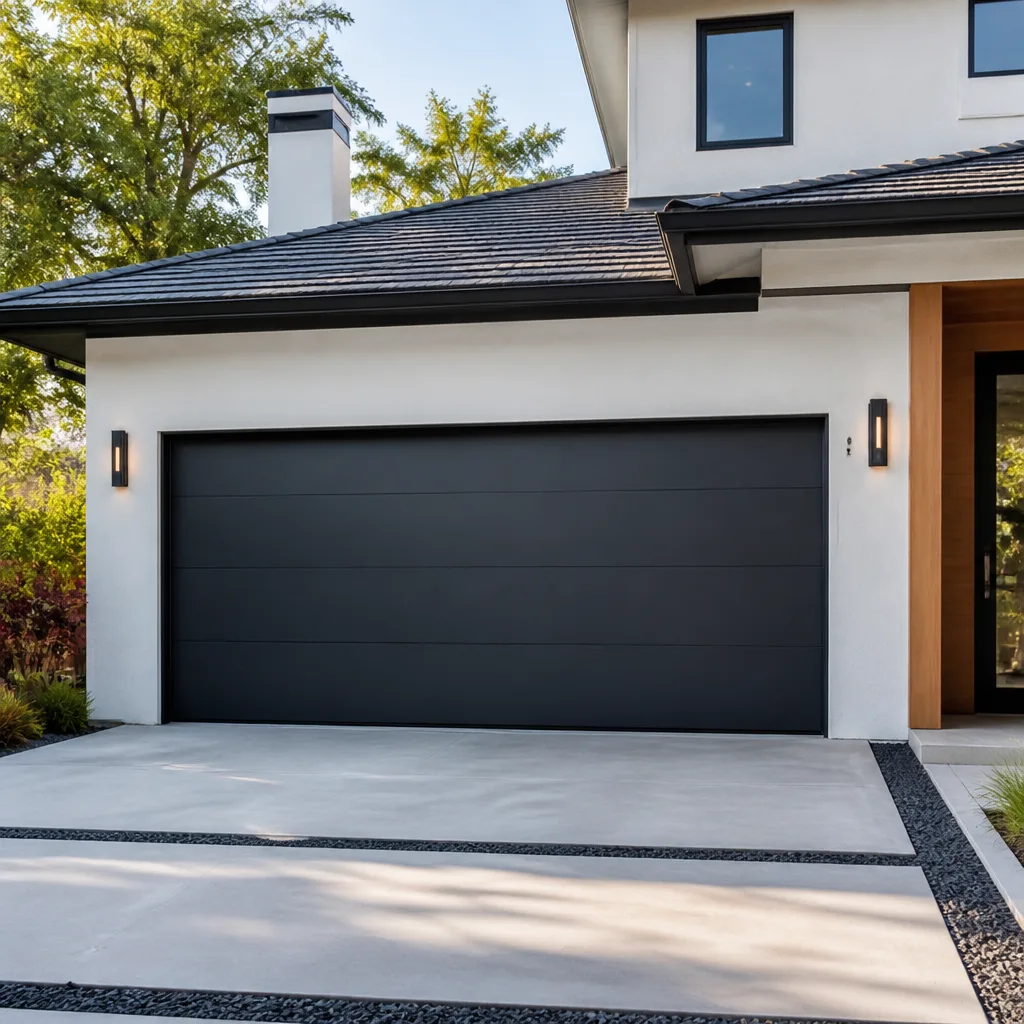 Modern flush
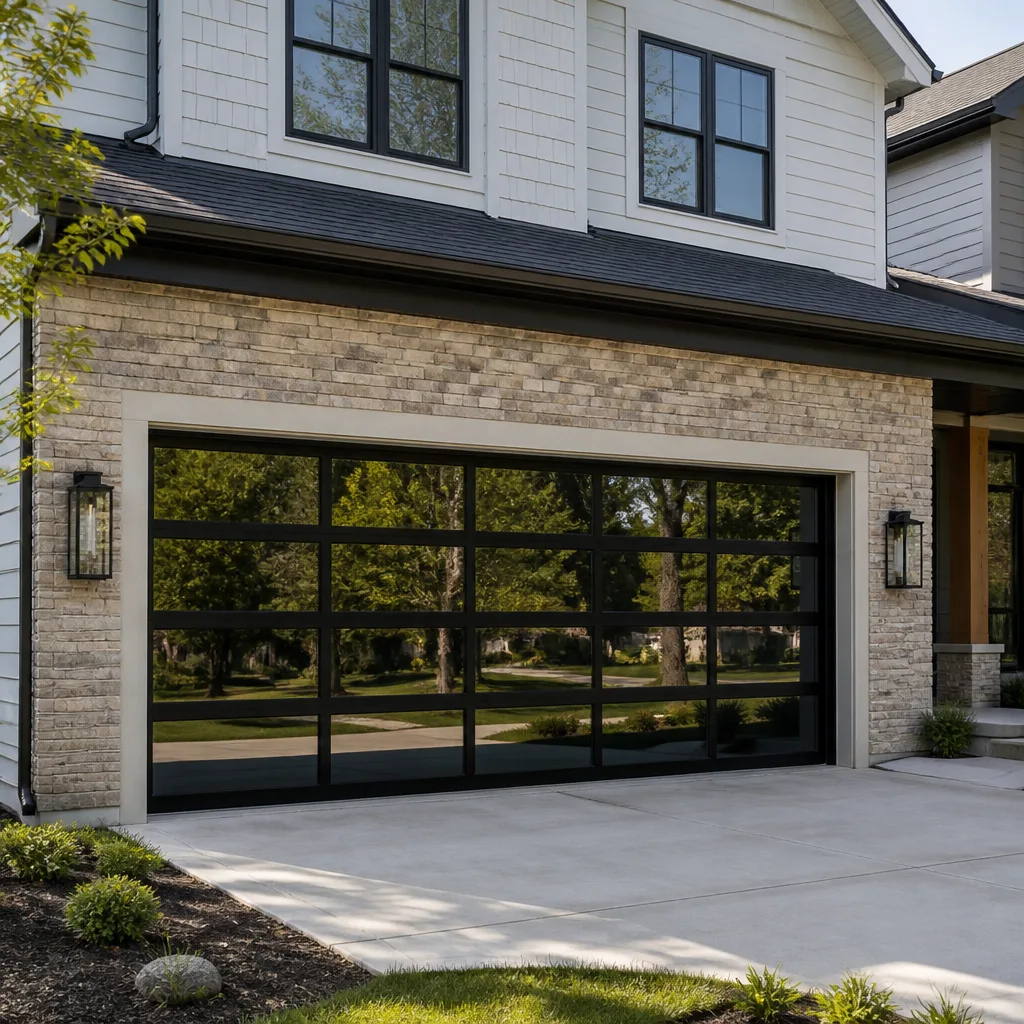 Full-view glass
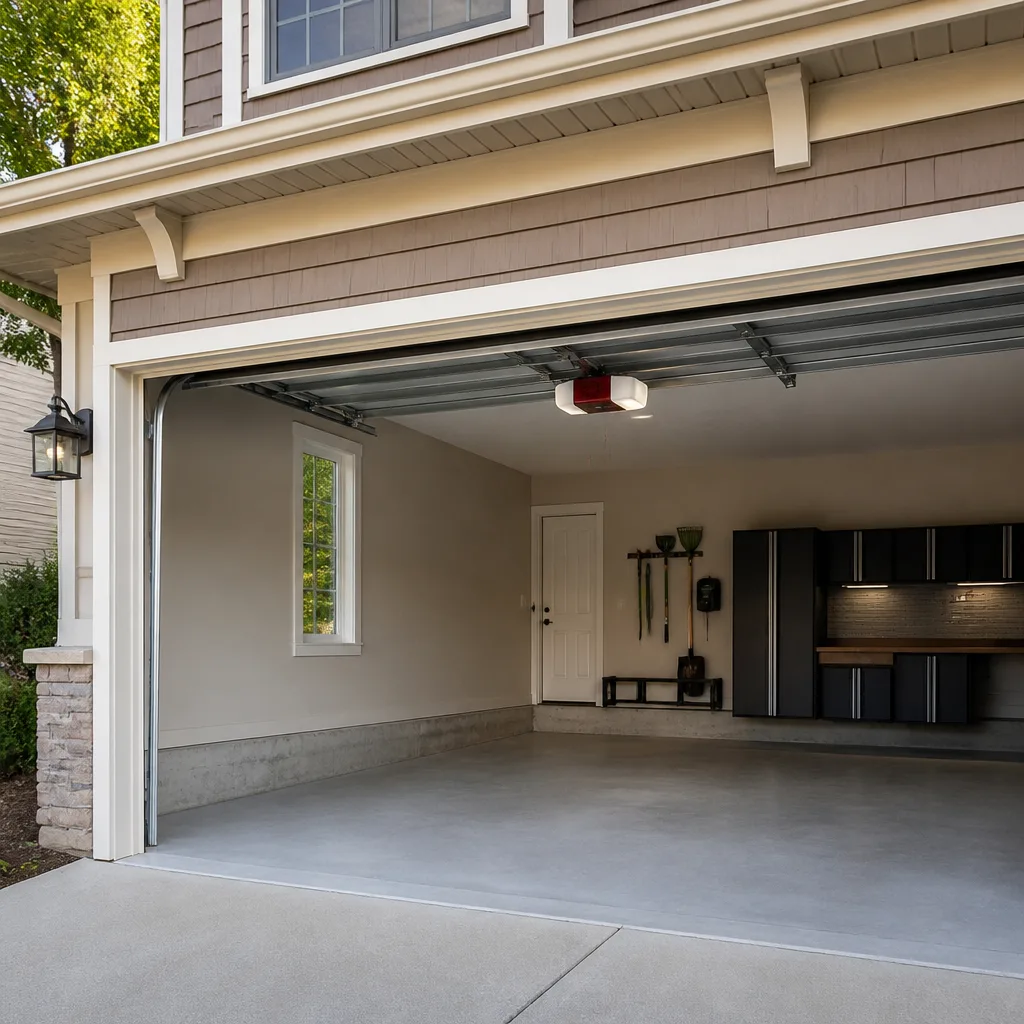 LiftMaster openers
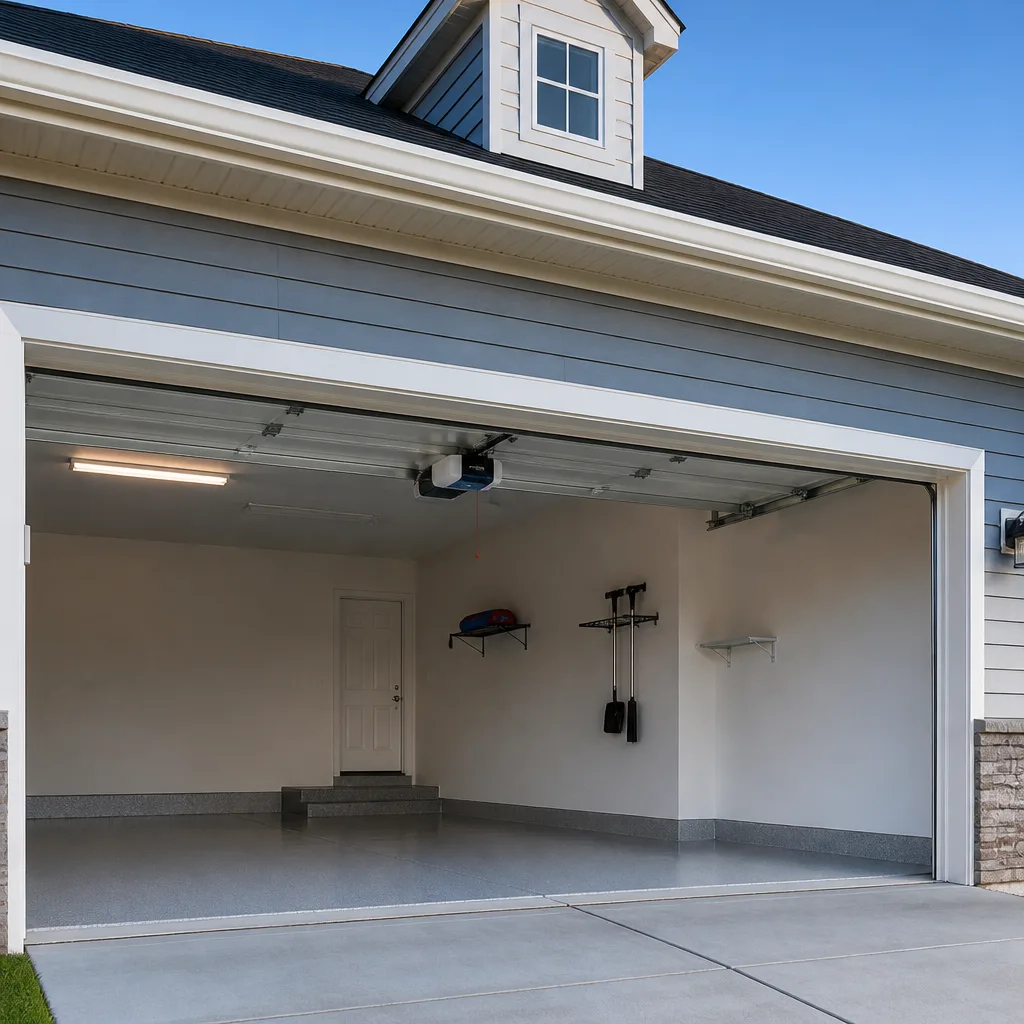 Chamberlain openers
Full 25-point door and opener safety check with every visit - springs, cables, rollers, tracks, and your LiftMaster or Chamberlain opener included
You get a price before we start. It does not change when the pro arrives.
Get your free estimateGarage Door Repair Maintenance Schedule: What to Do and When
Lubricating your garage door hinges every month isn’t maintenance. It’s busywork. The parts that actually strand a car in the driveway – torsion springs, cables, rollers under load – get ignored for years while homeowners dutifully spray the same hinge they sprayed last month. Over-maintaining the visible pieces while neglecting the load-bearing system is how a door that “worked fine yesterday” ends up stuck open on a Tuesday morning. This guide lays out a real calendar: what to check monthly, twice a year, once a year, and every five years, why each interval matters mechanically, and which tasks belong to you versus a specialist. It’s written from Towson, where winter cold and summer humidity put our springs through a specific kind of punishment.
Quick Answer
A garage door needs four tiers of attention: a monthly visual-and-lubrication pass (five minutes), a balance test every six months, an annual spring-and-hardware inspection by a specialist, and a full professional tune-up every two to five years depending on cycle count. Springs themselves are a wear item with a finite lifespan, not a permanent part, and annual inspection is what catches tension loss before it becomes a snap.
Styles & brands we work with
- Raised-panel steel
- Carriage house
- Modern flush
- Full-view glass
- LiftMaster openers
- Chamberlain openers
Table of Contents
- The Monthly Five-Minute Pass
- The 60-Second Balance Test That Predicts Spring Failure
- The Right Lubricant for Every Component (and What Not to Use)
- Twice-a-Year Tasks: What Changes With the Seasons
- The Annual Spring Inspection: Why Towson Springs Age Differently
- What a Professional Tune-Up Catches That You Can’t
- The Five-Year Horizon: Replace, Don’t Just Repair
- Common Mistakes to Avoid
The Monthly Five-Minute Pass
Once a month, you’re not repairing anything. You’re looking for change. A garage door fails slowly before it fails suddenly, and the monthly pass is where you notice the slow part. Set a reminder tied to something you already do – the first of the month, or the day your trash goes out – so it actually happens.
Here’s the checklist, and the mechanical reason behind each item:
- Listen to a full open-close cycle. Rumbling, grinding, or a rhythmic thump means something is loose or worn. A door that has always sounded the same is fine; one that sounds different than last month is telling you something.
- Look at the springs with the door closed. Standing outside the path of the door, check for visible gaps, rust, or a spring that hangs differently than the other side of a pair. Never touch or adjust them – a torsion spring under tension can injure you badly, and this is deliberately an eyes-only check.
- Check the torsion cable for fraying. Cables should be smooth and neatly wound. A kink or a broken strand means you stop using the door and call a specialist.
- Run a rag along the bottom seal. A cracked or rock-hard seal lets in water and cold air. Cheap to swap, expensive to ignore through a wet spring.
- Test the safety reverse. With the door closing, wave a broom handle in the photo-eye beam. The door should reverse. This is the single most important safety check on the whole list.
- Wipe down the photo-eye lenses. Dust and cobweb buildup on the sensors is the most common reason a door “won’t close.”
Five minutes, six checks, no tools except a rag. What you’re not doing monthly is lubricating. More on that in the lubricant section, because the frequency matters as much as the product.
The 60-Second Balance Test That Predicts Spring Failure
This is the test most homeowners never run, and it’s the one that tells you whether your springs are quietly losing tension. Torsion springs hold the entire weight of the door. As they age, they weaken gradually – and the door gets harder for the opener to lift. The opener keeps working, so nothing seems wrong, until the spring reaches its limit and breaks. The balance test gives you warning before that happens.
How it works:
- Disconnect the opener using the emergency release cord. This is the red handle hanging from the carriage. Pull it so the door is in manual mode.
- Lift the door by hand to about waist height, then let go.
- Watch what it does. A well-balanced door should stay roughly where you put it. If it drops fast, the springs are weak. If it rises on its own, they’re over-tensioned (or the door is too light for the spring).
- Repeat at halfway and near full open. Repeat at the halfway point and the almost-open position.
- Reconnect the opener by running it until the carriage re-engages.
What you’re looking for is drift. A door that used to hold at waist height and now sinks a foot before settling is losing tension. In our experience working Towson doors, a balance test that fails twice in a row is a clear signal to book a spring inspection – not a reason to keep pushing a struggling opener, which is one of the fastest ways to burn out a motor. If you run this test and the door feels heavy or crashes down, stop using the automatic opener and keep the door closed until a specialist looks at it. Garage doors are heavy, and weak springs on a sagging door are how fingers and toes get hurt. Read more about the specific warning signs on our garage door spring repair page.
The Right Lubricant for Every Component (and What Not to Use)
Using the wrong lubricant accelerates wear instead of preventing it. This is where the most common mistake happens: WD-40 as a universal spray. Standard WD-40 is a solvent and light oil, not a lasting lubricant. It cleans, it displaces water, and then it attracts dust, which becomes a grinding paste inside your rollers and hinges. Avoid it on the moving parts.
Here’s the right product for each component:
- Rollers (metal): A light silicone spray or a dedicated white lithium grease. Metal rollers with worn bearings are worth replacing rather than re-lubricating – they’re inexpensive and swapping them is a same-day job for a specialist.
- Rollers (nylon): No lubrication needed. Nylon rollers run dry. Adding oil attracts grit and wears them faster. If your door runs nylon rollers on a Genie or LiftMaster system, leave them alone.
- Hinges and pivot points: White lithium grease or a synthetic garage-door-specific spray. Apply lightly to the pivot joints, not the hinge face.
- Springs (extension or torsion): This is a specialist task, not a homeowner lubricant point. Torsion springs can be spot-lubricated along the coil by a technician during a tune-up to reduce friction between coils, but you should never reach around a wound torsion spring yourself. Let a professional handle it.
- Tracks: No lubricant. Ever. Tracks should be wiped clean with a damp cloth. Grease in the track collects dirt and makes the door drag. This is the single most common “why is my door so heavy?” cause we see.
- Belt opener rail (for units that use one): A tiny amount of belt-specific silicone, only if the manual calls for it. Most belt-drive units on the market today – Chamberlain and Genie among them – run their belts essentially maintenance-free.
Frequency matters too. A light application on hinges and metal rollers twice a year is right for most Towson homes. Doing it monthly loads the parts with excess grease that collects grit from the humid summer air, which creates more wear than if you’d left it alone.
Twice-a-Year Tasks: What Changes With the Seasons
Spring and fall are the natural bookends for maintenance because that’s when Maryland weather shifts hardest. Towson sits in a climate with real freezing stretches in January and February and long, humid July and August. That cycle is what ages your door more than daily use does.
In the spring:
- Wipe down and inspect the door’s exterior panels. Winter grit and grime trap moisture against steel, which is where rust starts. Look at the bottom panel first – it takes the most road spray and splash.
- Check the bottom weather seal for hardening. A seal that barely flexed in cold weather may now be cracked.
- Clear the tracks of any debris blown in over winter – leaves, grit, small branches.
- Test the safety reverse again. Sensors can shift slightly with freeze and thaw.
In the fall:
- Look closely at the springs for rust bloom. Cooler, damper mornings in Towson encourage surface rust on uncoated spring coils, and rust is the early warning sign of a weakening spring. Eyes only.
- Check the door’s alignment at the point where it meets the floor. A door that doesn’t sit flush may be telling you the foundation edge has shifted, or the torsion has drifted.
- Inspect the opener’s hardware – carriage, arm, chain or belt tension. A loose chain is a simple adjustment for a technician.
- Clear anything stored against the door path – a door that’s been pushed against a bike or a recycling bin for two seasons can show bent panels.
Fall is also the right time to schedule the annual spring inspection so it lands before winter’s hardest cold. That timing isn’t arbitrary. Cold makes metal more brittle and any existing flaw more likely to fail. Scheduling the inspection before the first hard freeze is a genuinely useful way to catch spring issues ahead of the worst time for them to break.
The Annual Spring Inspection: Why Towson Springs Age Differently
Springs are the one part of your garage door that almost every homeowner ignores until it fails. They shouldn’t be. A torsion spring has a finite cycle count – roughly, how many times it can raise and lower the door before it fatigues – and daily use in a typical home eats through it in a predictable number of years. When a spring reaches the end of its cycle count, it breaks. There’s no slow failure at the final moment, just a snap.
The Towson angle is real. Temperature cycling is the biggest environmental factor in spring life, and this area delivers it. Winters bring hard overnight freezes, and summers bring weeks of sticky 90-degree humidity. Each season, the steel of a spring expands and contracts against its tension. The coil that survived last year’s June can fail next February because the combination of brittle cold and prior fatigue was one cycle too many. Rust from coastal-style humidity (plus splash from wet Towson winters) compounds the problem.
What an annual professional spring inspection actually covers:
- Measuring tension and balance at multiple points along the door’s travel.
- Checking the torsion cable for hidden fraying or stretching.
- Looking for micro-fractures or rust pits at the spring coil’s ends, where failure typically originates.
- Confirming the drum wraps are correct, and the cable is seated in the drum properly.
- Checking the center bearing plate and the torsion tube for wear.
- Confirming the door’s structural integrity – panels, struts, and the ends where the door’s weight attaches.
None of these need a monthly visit. One annual visit is right for most homes. High-cycle households – large families, homes where the door runs ten or fifteen times a day – may need it twice a year. If you want to know what a genuine spring issue looks like versus a normal wear pattern, our garage door repair page covers the warning signs in more detail.
What a Professional Tune-Up Catches That You Can’t
You can run the balance test, listen for noise, and keep the tracks clean. You can’t do what a trained eye does, because most of it requires knowing what you’re looking for.
Here’s what a technician catches on a full tune-up:
- Springs showing internal fatigue. A spring can be mechanically intact and still be within weeks of failure. Experienced technicians read the coil’s set, measure the tension, and know how much life is left. Our technicians have up to 11 years of experience reading exactly this.
- Roller bearings that are worn but not yet noisy. Rollers wear out gradually and quietly. A roller with a failing bearing adds drag to the whole system and shortens opener life. Replacing them preemptively – they’re inexpensive – prevents the bigger failure down the line.
- Hinge and bracket wear at the pivot points. Catching a worn hinge before it fractures prevents a door panel from twisting off its track.
- Cable damage you’d miss. Cables are under extreme tension and a frayed strand can look fine to a casual glance. Trained hands feel the strands.
- Opener logic and safety calibration. The opener’s force settings and travel limits drift over time. A pro recalibrates both.
- Door frame and structural issues. Sagging panels, loose struts, panels that have shifted in their stiles. Small adjustments here are major life-extenders.
Because garage doors are all we do, our technicians carry the full set of parts for the systems in your home. We work on the brand you already have – LiftMaster, Chamberlain, Genie, Clopay, Amarr, Wayne Dalton, Craftsman, and Raynor – which matters because a specialist who knows your specific door and opener system avoids the trial-and-error a generalist runs into. Most tune-ups are scheduled in advance and quoted in writing before anything is touched. If a component has failed and locked you out, that’s a different call – garage door opener repair is often a same-day service.
The Five-Year Horizon: Replace, Don’t Just Repair
Every five years, step back and look at the whole door rather than the wear items. Garage doors are built to last, but they’re not built to last forever, and a door that needs its second spring replacement within five years is telling you something about the underlying system.
What to evaluate on the five-year horizon:
- Panel integrity. Steel doors with wood-grain finishes – Clopay and Amarr both offer these – can start to show rust along seams after five to seven years in a humid climate. Surface rust is fixable. Structural rust is a replacement signal.
- Spring cycle count. If you’ve replaced springs and the door runs the same number of daily cycles, you’re likely on a second set. That’s normal. A third set within a short window on a door that’s still in good condition means the springs were undersized for the door’s weight – a specialist can spec the right pair.
- Opener lifespan. Most openers have a rated lifespan of roughly 10 to 15 years of typical residential use. An opener pushing into that window without smart features or battery backup may be worth replacing before it fails and strands the door.
- Insulation and energy performance. If your garage sits over a living space or faces the house’s north side, upgrading to an insulated door – a standard option on Amarr and Clopay lines – can matter more than a repair.
- Safety features. Photo-eye sensors are standard on new openers. Older units without them should be upgraded for safety, not just convenience.
If two or more items on this list point toward replacement, a full new door is usually more cost-effective than a chain of repairs. We quote complete door installations the same way we quote repairs – measured, written, and agreed before work starts.
Common Mistakes to Avoid
- Lubricating tracks. Tracks should never see oil or grease. Grease in a track collects grit from Towson’s humid summer air and turns the track into a grinding surface. Wipe them clean with a damp cloth; that’s all they need.
- Spraying WD-40 on rollers and hinges. Standard WD-40 isn’t a lasting lubricant and it attracts dust. Use white lithium grease or a garage-door-specific silicone spray, and use it sparingly.
- Adjusting or “helping” a spring. One of the most dangerous mistakes a homeowner can make. Torsion springs hold the entire weight of the door. Even one turn of a winding bar in the wrong direction can cause serious injury. This is a specialist task, without exception.
- Ignoring the balance test until something breaks. A failing balance test is a message, not an inconvenience. Getting it checked promptly saves the cost of a snapped spring taking out the opener or a panel.
- Over-lubricating because “more must be better.” Excess grease traps debris. Twice a year, lightly, on the correct parts is the right cadence. Monthly spraying actually accelerates wear.
- Skipping the safety reverse test. A door that fails to reverse on the photo-eye is a genuine hazard, and the test takes ten seconds. If a door fails the safety reverse test at all, stop using the automatic opener until it’s fixed.
- Waiting until the door won’t close before scheduling a tune-up. Routine annual maintenance costs less and catches problems when they’re still minor. Emergency calls cost more because the failure is already bigger.
See the difference
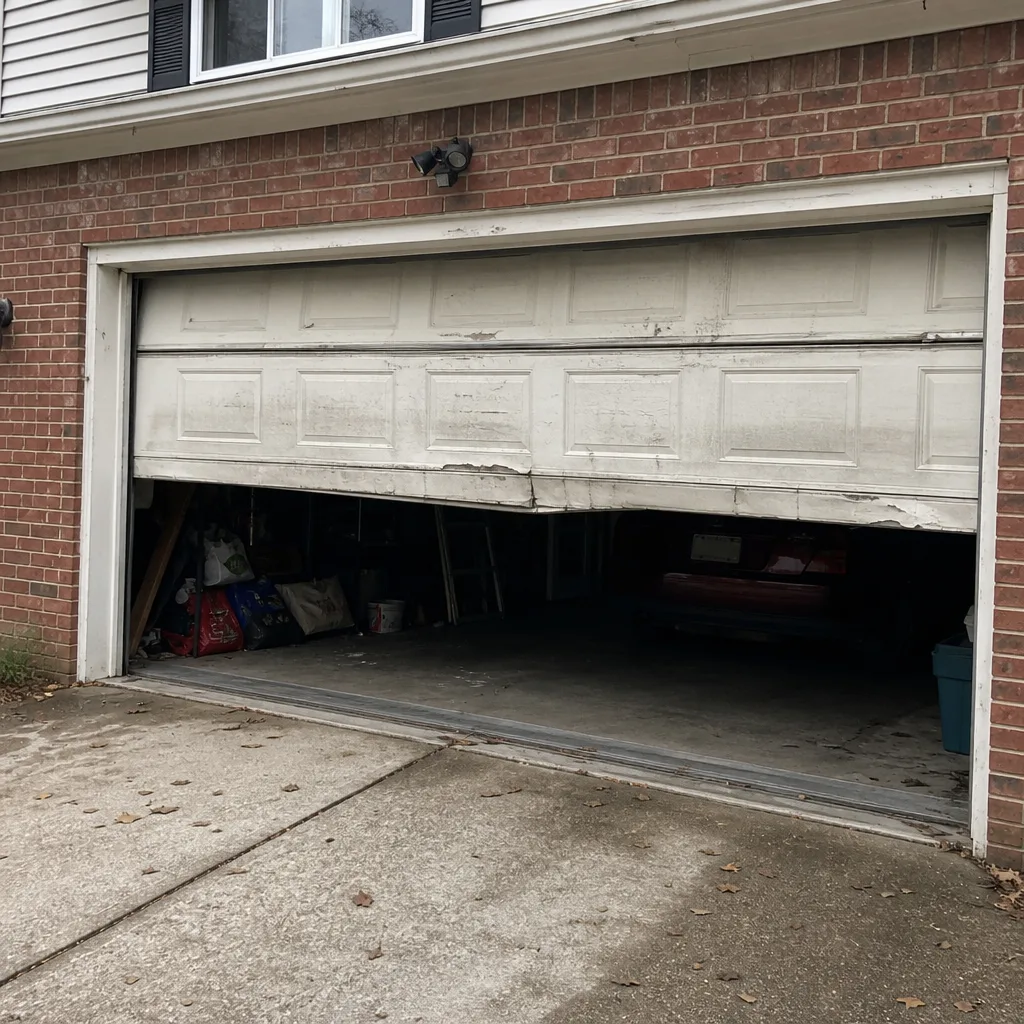 Before
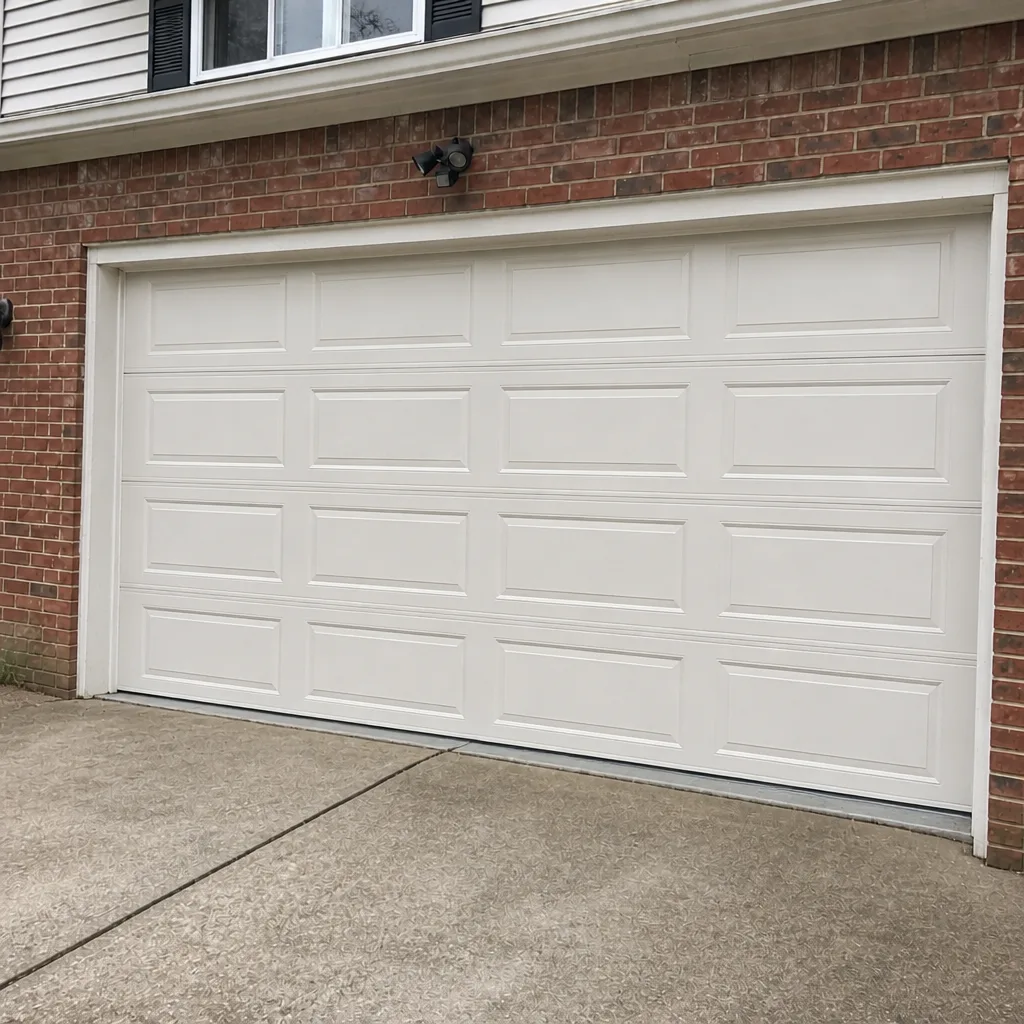 After
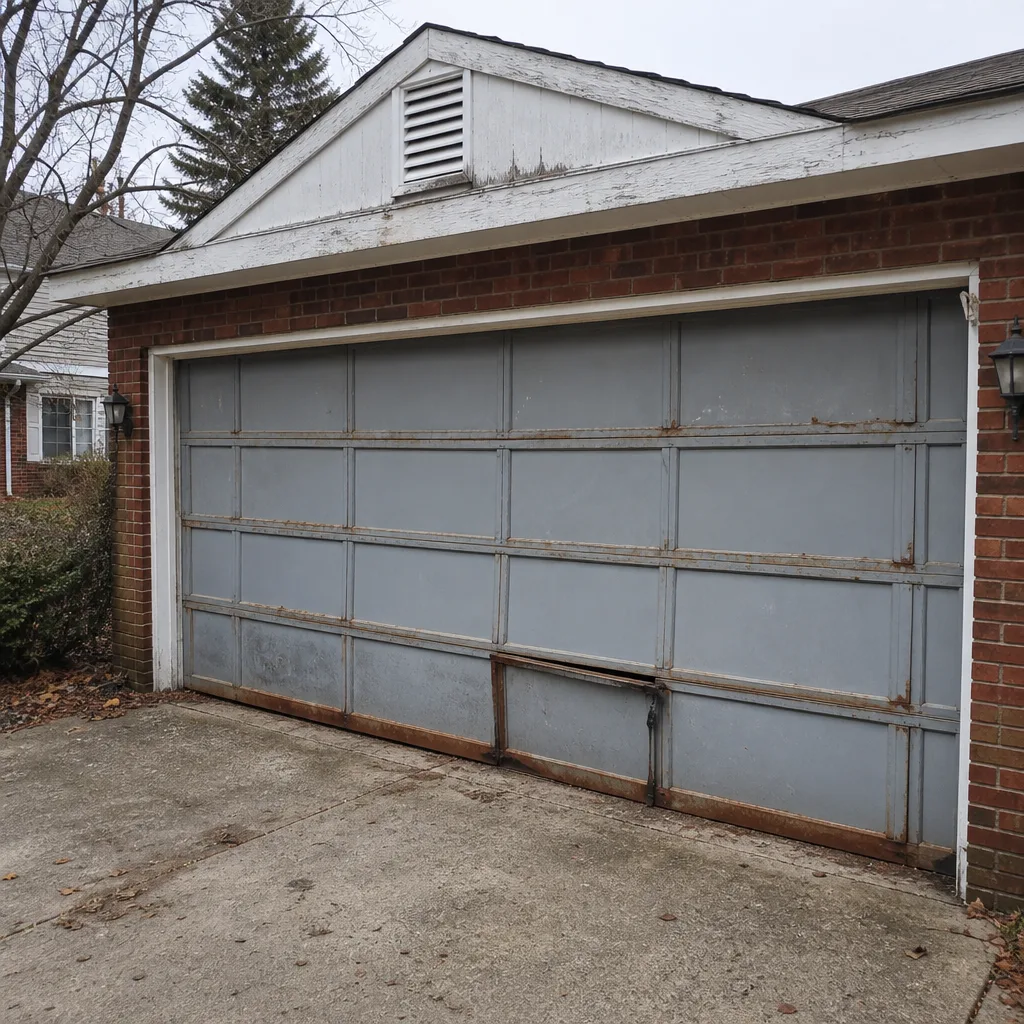 Before
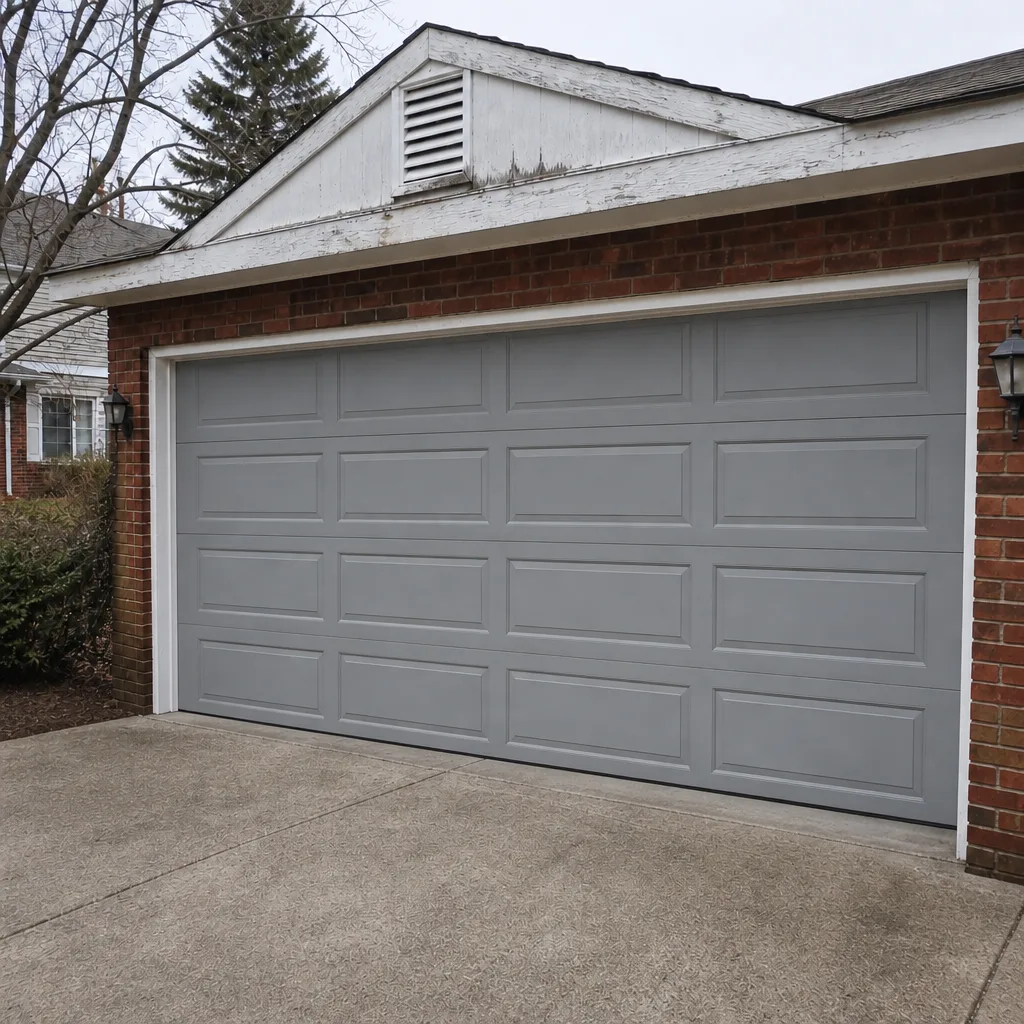 After
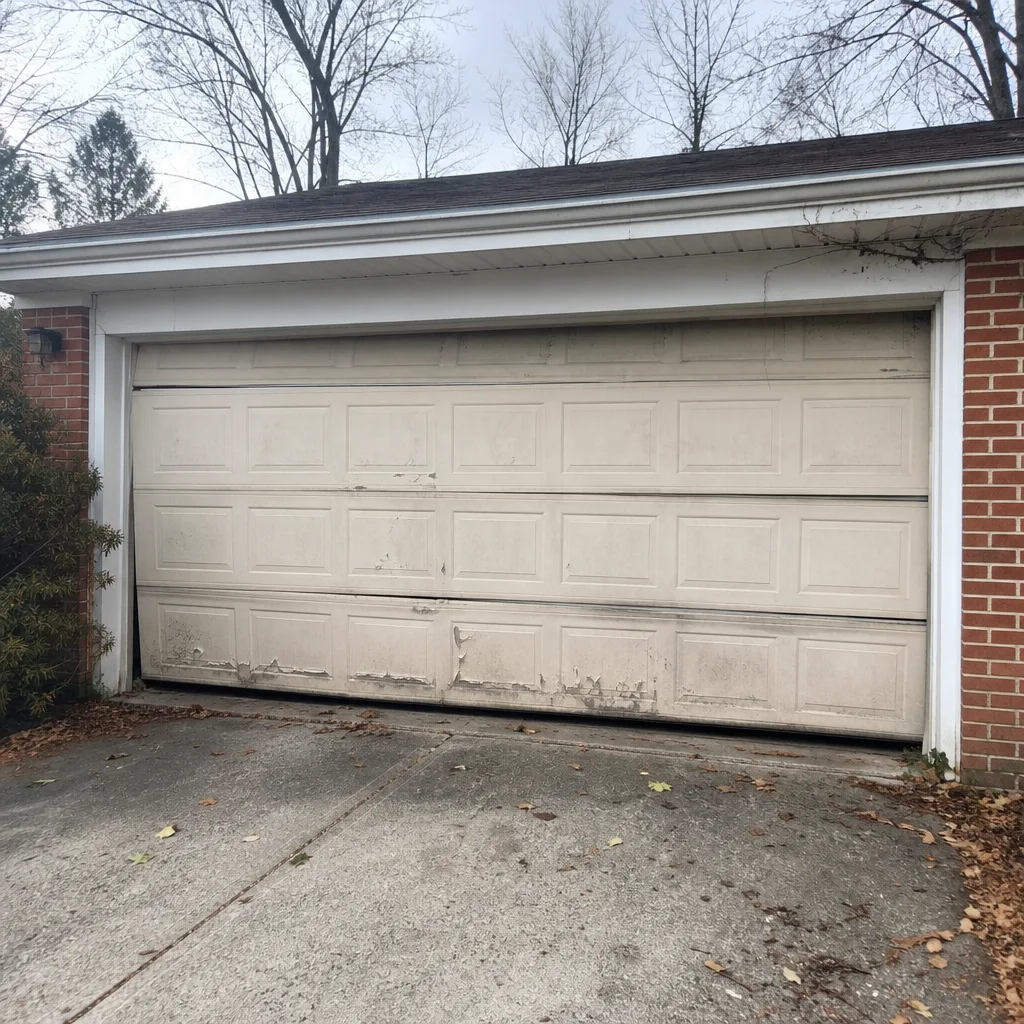 Before
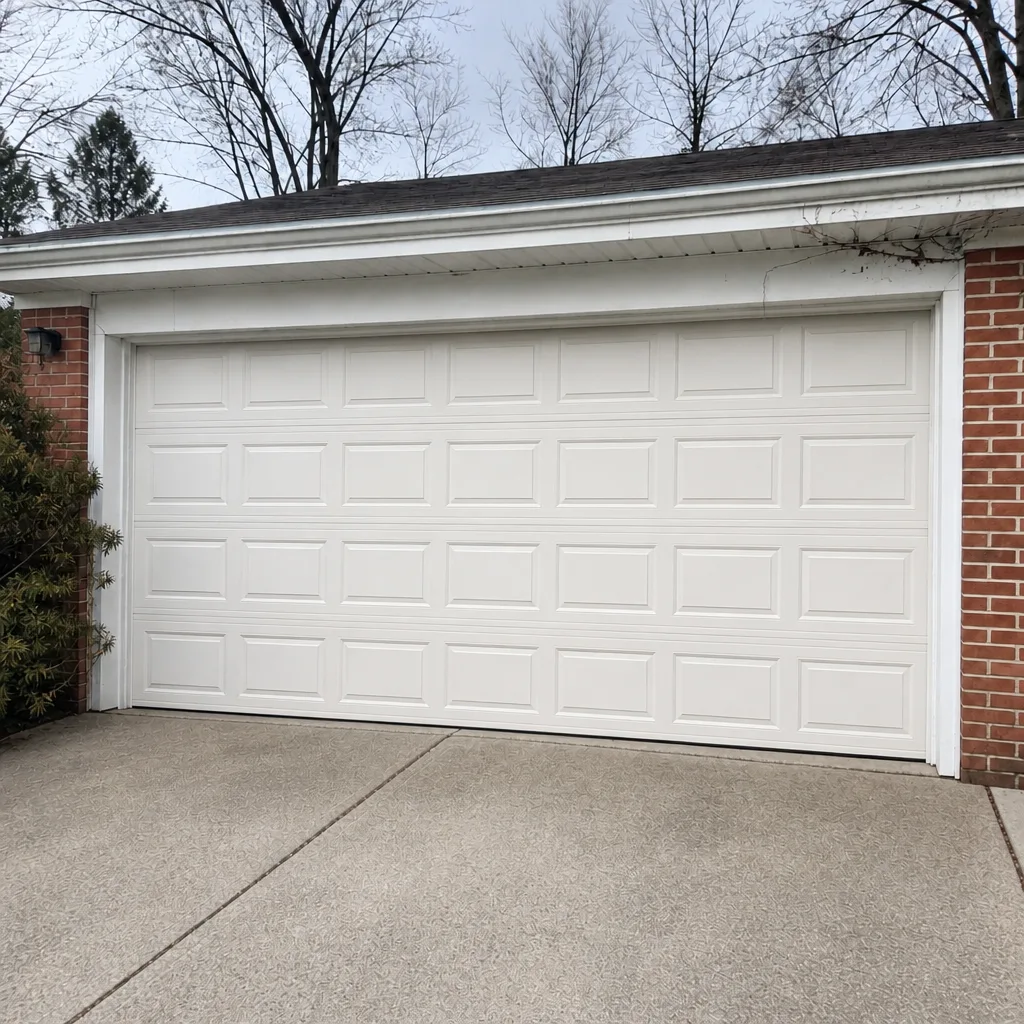 After
When to Call a Professional
Some things are maintenance. Some are a technician’s job the moment they happen. Call a specialist if any of these are true:
- The door won’t open, won’t close, or reverses midway through a cycle on its own.
- You hear a loud snap from the garage, or the door hangs unevenly on one side.
- The balance test fails at multiple points, or the door slams down when you release it.
- The torsion spring is visibly broken, or you can see a gap in the coil.
- The opener runs but the door doesn’t move, or the wall button does nothing.
- A cable is frayed, kinked, or off its drum.
- The safety reverse fails – the door doesn’t respond to a photo-eye obstruction.
A failed door doesn’t always wait for a convenient time. We answer 24/7, and fast dispatch from 7am to 7pm gets a technician out to look at the problem. Garage Door Repair Towson offers free estimates in Towson – call (877) 792-6801. The price is quoted and agreed before any work starts, and the written estimate is the price. For an annual tune-up or a full new door, we schedule the visit and measure the door first – scheduled work is planned, not rushed.
Frequently Asked Questions
A monthly five-minute visual pass, a balance test every six months, an annual spring-and-hardware inspection, and a full professional tune-up every two to five years – that’s the right cadence for most Towson homes. Higher daily cycle counts shift everything toward the shorter end of the range.
Yes, with limits. Hinges, metal rollers, and pivot points are homeowner points – twice a year with white lithium grease or a garage-door-specific silicone spray. Tracks should never be lubricated. Springs and cables are a strict specialist task; a torsion spring can cause serious injury if mishandled.
The 60-second balance test is the most reliable check. Disconnect the opener, lift the door to waist height, and release it. A door that sinks significantly is losing spring tension. Combine that with a visual check for rust, gaps, or a spring that hangs differently than its partner.
Cold makes steel more brittle, and the freeze cycles this area gets in January and February put the spring steel through repeated expansion and contraction. A spring already near the end of its cycle count is more likely to snap as temperatures drop. Annual fall inspections are scheduled specifically to catch that.
Yes, if it’s been two or more years. A working door can still have a roller with a failing bearing, a spring within weeks of its cycle limit, or an opener running out of calibration. Those are the failures a tune-up catches before they strand you.
Every job is quoted by written estimate based on what the specific door needs, and the estimate is free. Call (877) 792-6801. We answer 24/7. Fast dispatch from 7am to 7pm, Sunday through Friday. The price is the written estimate – no surprises when the work is done.
The Bottom Line
The right maintenance schedule for a garage door isn’t aggressive – it’s accurate. Five minutes a month to listen and look. A balance test twice a year. One annual specialist inspection timed before winter in Towson, so spring fatigue gets caught before the cold snaps it. A light, correct lubricant twice a year on the right parts, and never on the tracks. A full professional tune-up every two to five years. Everything on this list costs less than a snapped spring on a door that was going to need repair anyway. And when the door does fail, it fails for a reason a specialist can name. Call (877) 792-6801 for a free estimate. We answer 24/7. Fast dispatch from 7am to 7pm, Sunday through Friday.
Written by the team at Garage Door Repair Towson.