
Last updated November 23, 2026
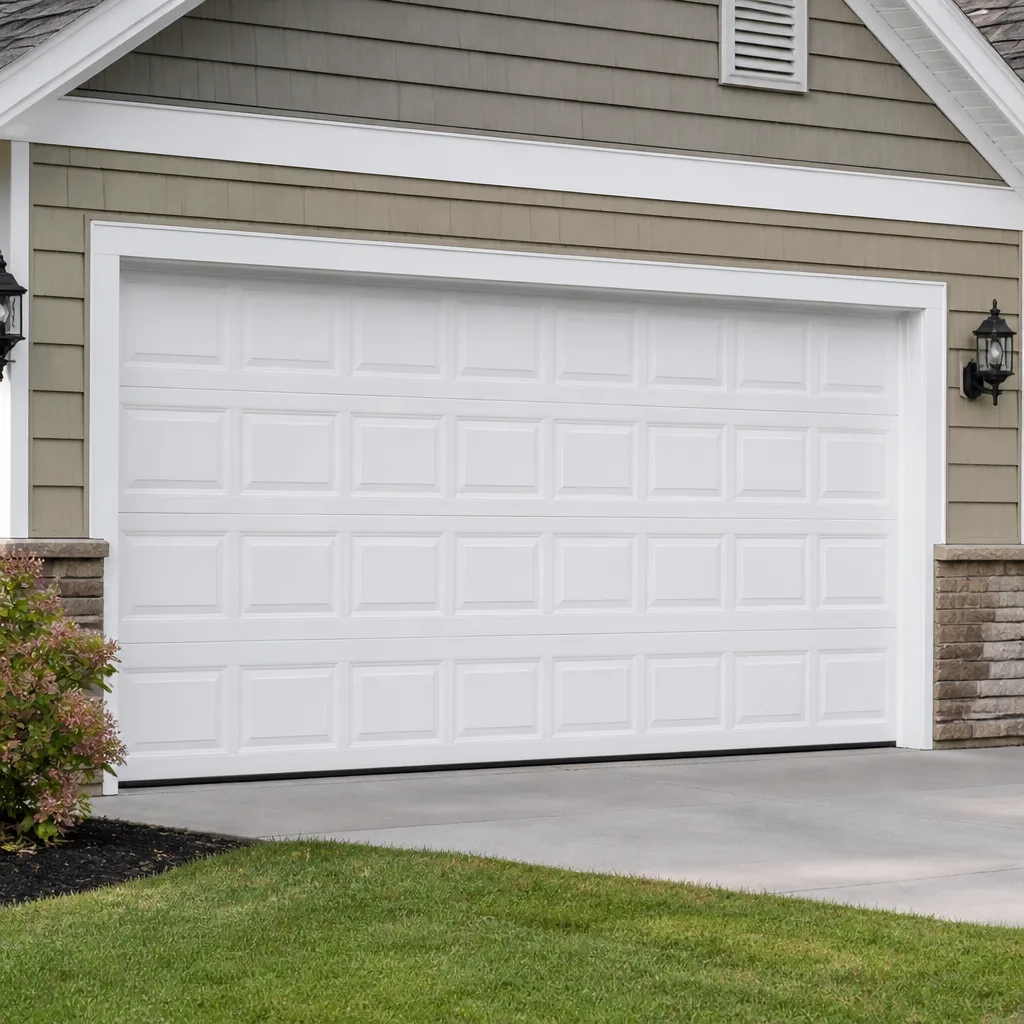 Raised-panel steel
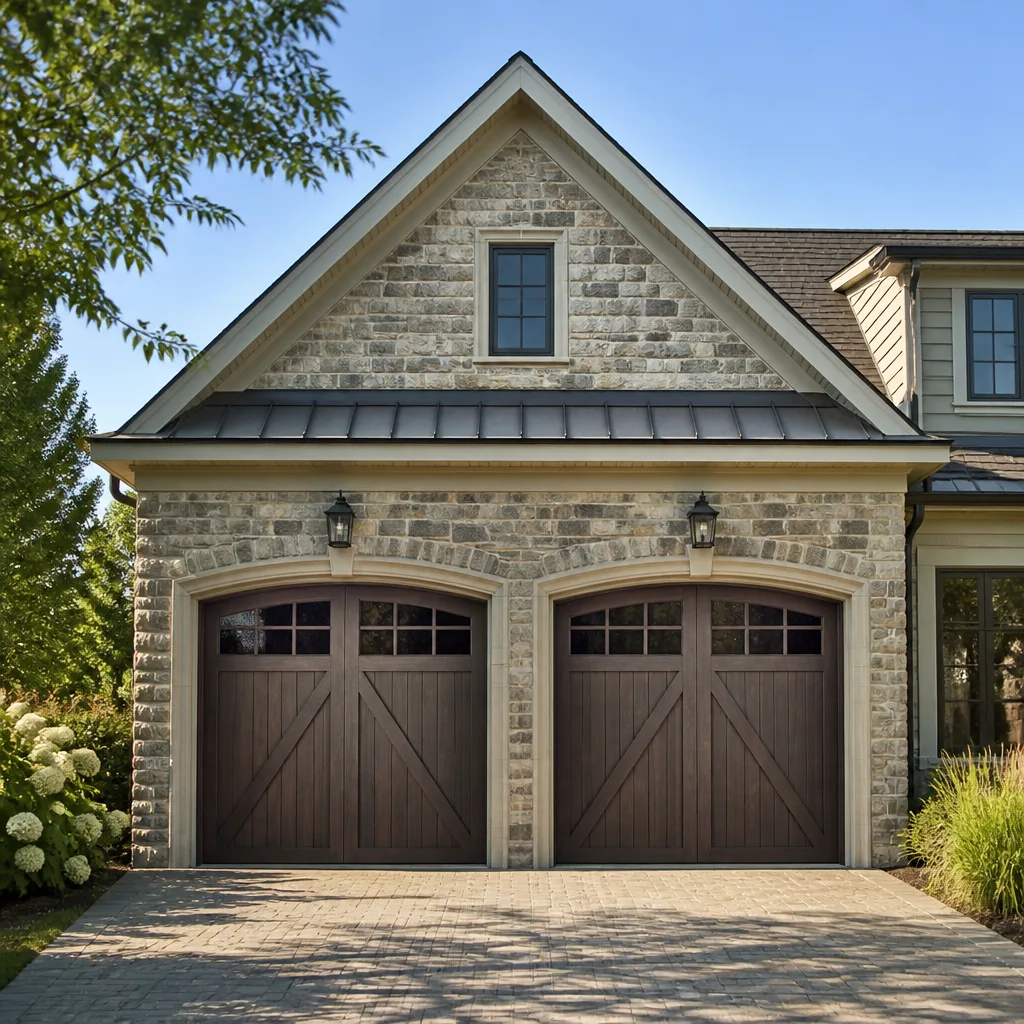 Carriage house
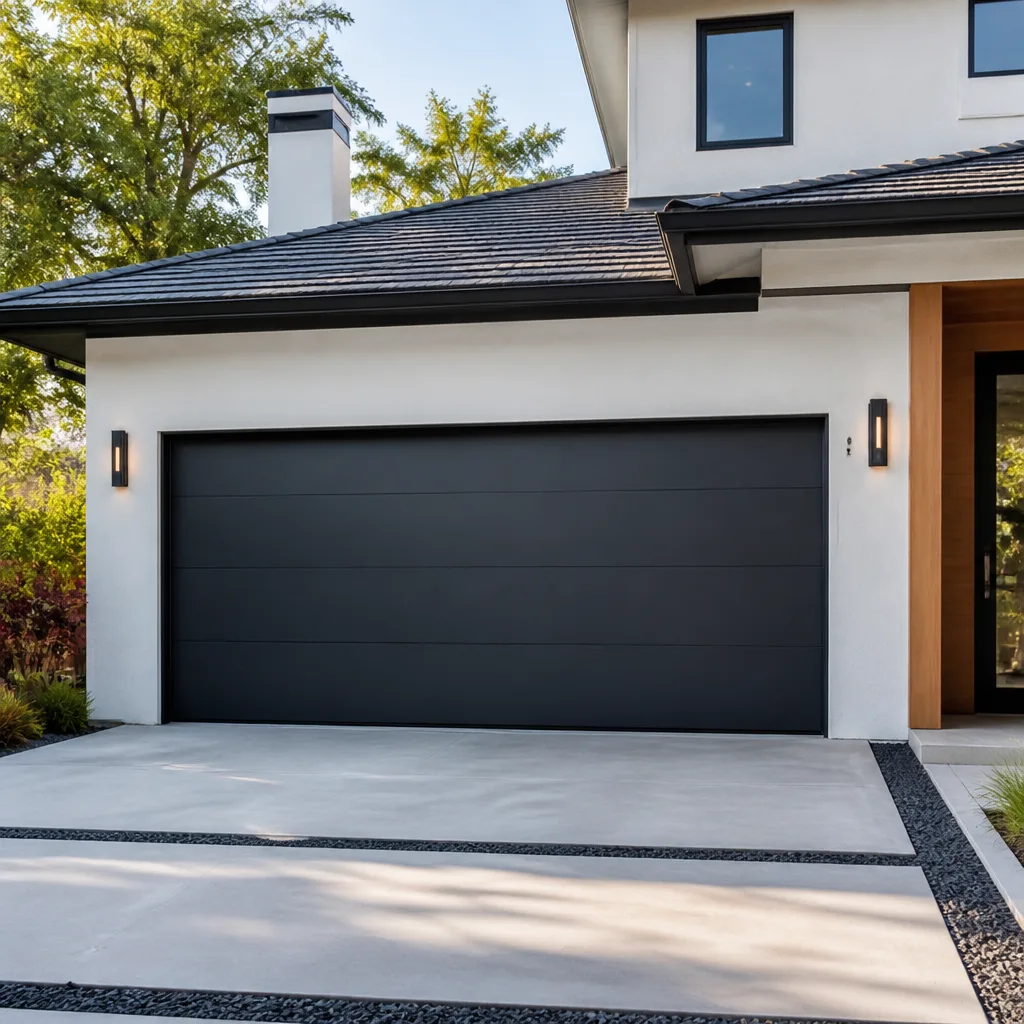 Modern flush
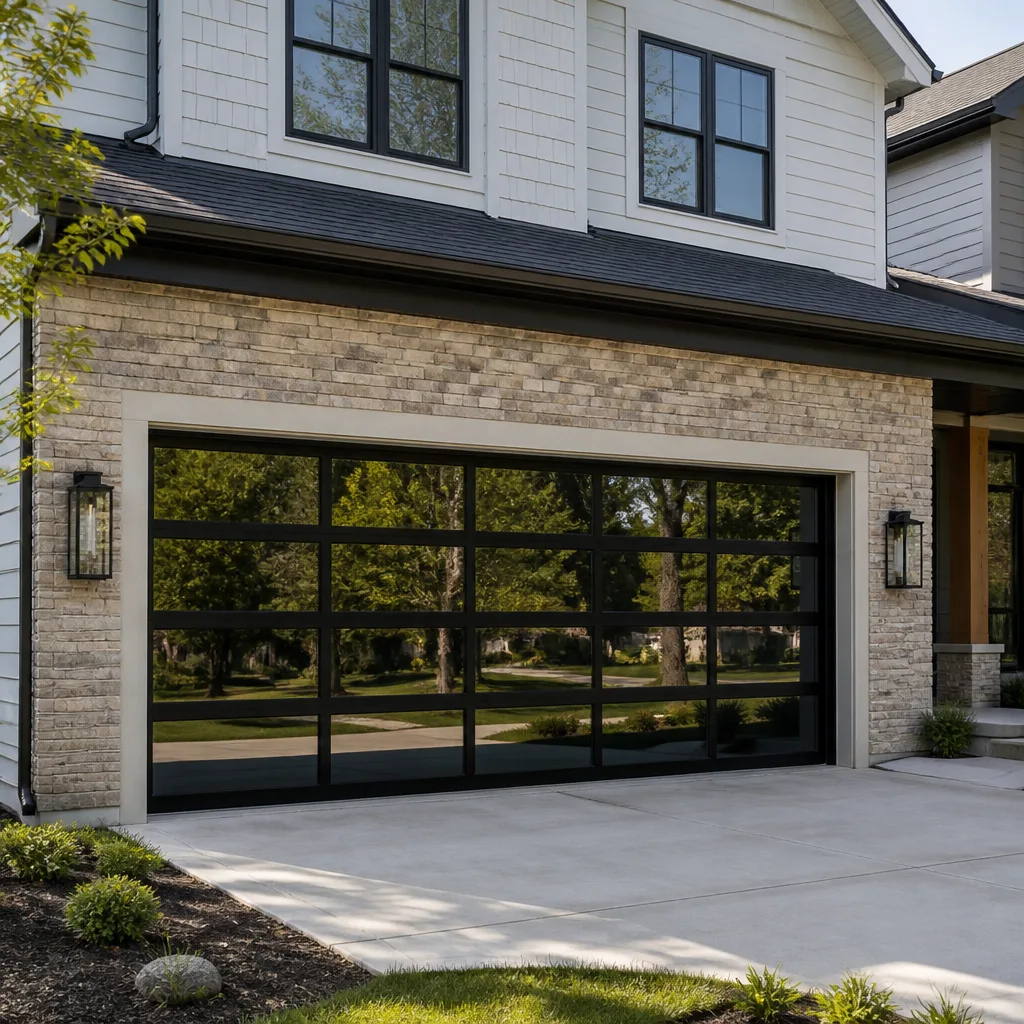 Full-view glass
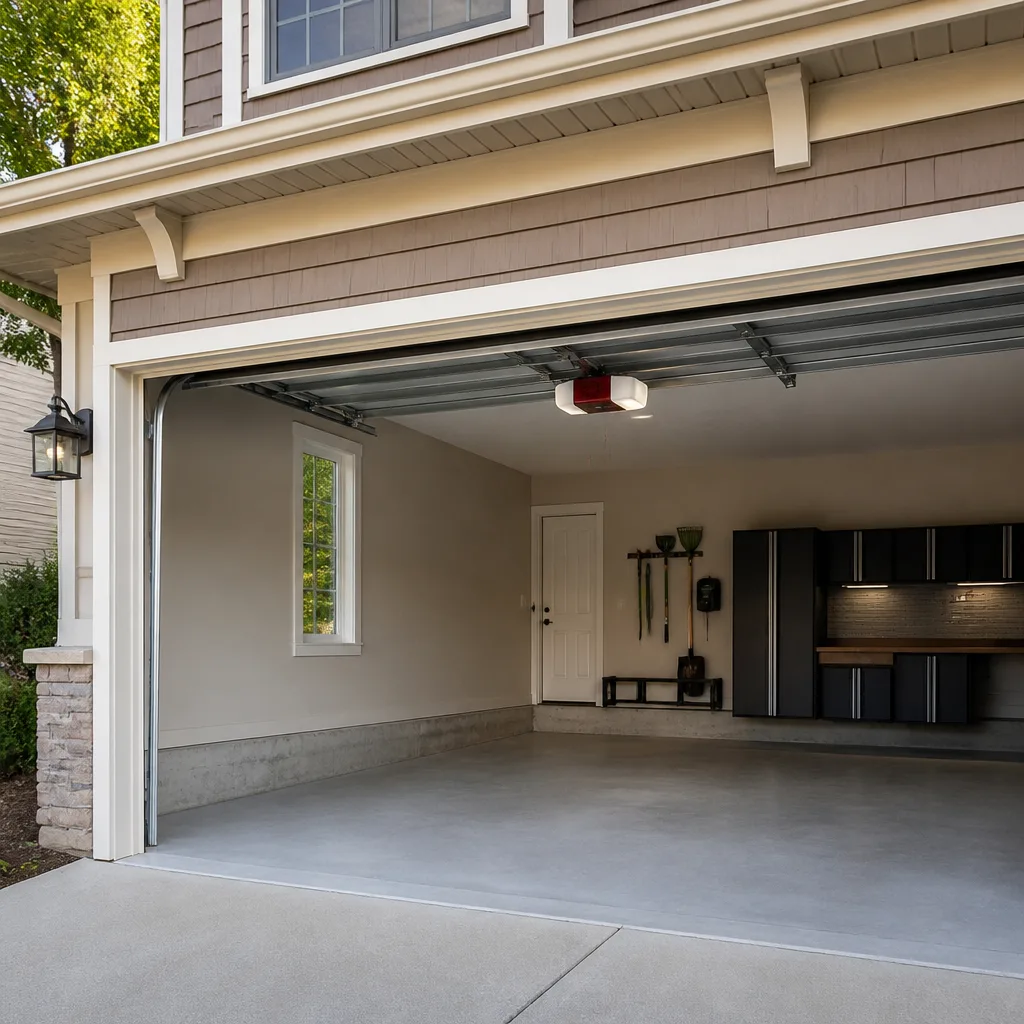 LiftMaster openers
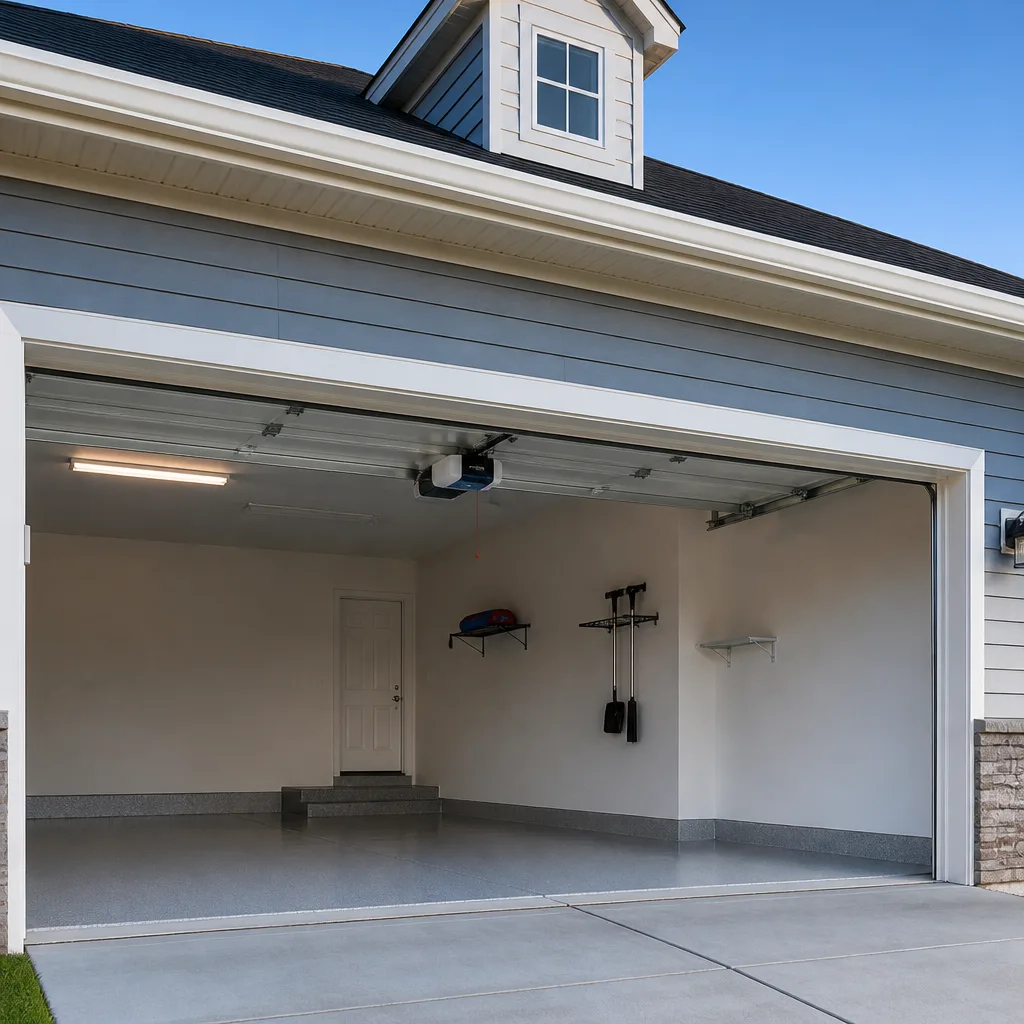 Chamberlain openers
Full 25-point door and opener safety check with every visit - springs, cables, rollers, tracks, and your LiftMaster or Chamberlain opener included
You get a price before we start. It does not change when the pro arrives.
Get your free estimateDIY vs Professional Garage Door: The Towson Homeowner’s Decision Guide
A torsion spring stores roughly the same energy as a loaded crossbow, except it’s larger, faster, and most people are six inches away from it when it fails. That’s not a scare tactic. It’s why the DIY decision for garage doors has a hard stop, and why the line between “I can handle this” and “call someone” is more specific than most homeowners realize. Some tasks really are simple, and we’ll show you exactly how to do them. Others are genuinely dangerous, and knowing which is which is the whole point of this guide. We’re a Towson garage door company, so this is the conversation we have at kitchen tables here every week.
Quick Answer
Yes, you can safely DIY a handful of garage door tasks in Towson: lubrication, safety sensor alignment, remote and keypad reprogramming, and weatherstrip replacement. You should not touch torsion springs, extension springs, cables, or anything structural above the door, because those components are under extreme tension and a mistake can cause serious injury. For that second group, a trained garage door specialist is the right call, and here it’s often a same-day one.
Styles & brands we work with
- Raised-panel steel
- Carriage house
- Modern flush
- Full-view glass
- LiftMaster openers
- Chamberlain openers
Table of Contents
- Why Garage Doors Are a Physics Problem Before They’re a Repair Problem
- What You Can Safely DIY (With Actual Steps)
- What Requires a Professional (And Why)
- The Almost-Works Failure Mode
- The Real Cost Comparison for a Towson Homeowner
- What to Do Between Noticing a Problem and Getting Help
- Towson-Specific Factors That Affect the Decision
- Common Mistakes to Avoid
Why Garage Doors Are a Physics Problem Before They’re a Repair Problem
A standard single-car garage door weighs somewhere in the neighborhood of 130 to 200 pounds. A double door runs heavier, often well past 250. That weight is lifted every time you press a button, and it’s moved by a counterbalance system, not by the opener. The opener’s job is tiny by comparison: it just pushes a balanced door up a track. When the counterbalance is intact, the door feels almost weightless. When it isn’t, the door is a falling object with a motor attached.
This is the part homeowners underestimate. People assume the opener does the heavy lifting. It doesn’t. The torsion spring above the door stores energy as it winds, then releases it to counter the door’s weight through the entire travel. On a broken spring, that counterforce disappears, and everything the opener was supposed to assist with becomes load on the panel, the hinges, the rollers, and the tracks.
That’s why we frame the DIY decision as physics, not pride. There’s nothing wrong with wanting to handle your own repairs. Most of our Towson customers do exactly that for the simple stuff. But physics doesn’t care how careful you are. A spring under tension doesn’t know you watched three videos first.
The Four Systems in Every Garage Door
- Counterbalance – torsion spring on a bar above the header, or extension springs along the horizontal tracks. This is the dangerous one.
- Lifting hardware – cables, drums, and bottom brackets. Also dangerous. The cables are under the same tension as the springs and can whip if a spring lets go.
- Travel system – tracks, rollers, and hinges. Mostly mechanical, occasionally adjustable by a careful homeowner.
- Control layer – opener, remotes, keypad, safety sensors, weatherstrip. This is where safe DIY lives.
If you remember nothing else from this guide, remember that list. Anything in the top two groups is a professional job. The bottom two are mostly fair game.
What You Can Safely DIY (With Actual Steps)
These are the four tasks we’re genuinely comfortable telling a Towson homeowner to do themselves. None of them put your hands near a loaded spring or cable, and none of them require the door to be off its tracks. If you can hold a screwdriver and read a manual, you can do these.
1. Lubricating the Door
This is the highest-value DIY task on the list, and most doors never get it. A properly lubricated door runs quieter, the opener works less hard, and the hardware lasts longer. Use a garage-door-specific lubricant (a lithium or silicone spray, not WD-40 as a lubricant) on the rollers, hinges, and the torsion bar bearings. Do not grease the tracks themselves. Tracks should stay clean and dry; grease in the tracks collects grit and makes the door harder to move, not easier.
- Close the door and unplug the opener from the wall outlet so it can’t be triggered while you’re working.
- Spray lubricant into the hinge pivot points along both sides of the door.
- Spray the roller stems (the part the roller swivels on), not the roller wheels inside the track.
- Wipe the tracks with a dry cloth to remove dust and grit.
- Plug the opener back in and run the door up and down once to spread the lubricant.
Once a year is plenty for most homes. In Towson’s humid summers and freezing winters, the temperature swings do more to wear down lubricant than the miles do. If you hear squeaking in January, that’s usually dried-out lubricant, not a failing spring.
2. Aligning the Safety Sensors
The two small sensors at the bottom of your tracks (one on each side, about six inches off the ground) shoot an invisible beam across the opening. If the beam is blocked or misaligned, the door won’t close, or it closes partway and reverses. That’s not a broken door; that’s a sensor doing its job. The first thing to check is whether something is in the way. A broom, a recycling bin, a bag of salt – these cause more “my door is broken” calls than any mechanical part.
- Look at the LED on each sensor. Most models have a light that shows when the beam is received. If one is off or blinking, that side is the problem.
- Clear anything in the beam path between the two sensors.
- Loosen the wing nut or mounting screw on the misaligned sensor just enough to move it.
- Aim it at the opposite sensor until the LED goes solid, then tighten.
- Test by closing the door and waving an object (not your hand, and never a person or pet) through the beam to confirm it reverses.
If the sensor is solid but the door still reverses, the problem is likely wiring or the opener’s logic board, which is where we come in. That’s a diagnostic, not a homeowner task.
3. Reprogramming a Remote or Keypad
Remotes lose their pairing when the battery dies, when you buy a new one, or when a neighbor’s new opener interferes. Reprogramming is easy and safe. It’s also brand-specific, so check the manual for the opener head. If you’re not sure what you have, look at the label on the back of the opener motor unit; LiftMaster, Chamberlain, Genie, and Craftsman labels are all easy to read. (We work on all four, plus Clopay, Amarr, Wayne Dalton, and Raynor, so if you get stuck, we can help identify what you’re working with.)
- Press the “learn” or “smart” button on the opener motor unit. It’s usually a colored button under the light cover.
- Within 30 seconds, press and hold the button on your remote for about two seconds, then release.
- Watch the opener’s light or listen for a click. That confirms the pairing.
- Test the remote from inside the garage, then from your car in the driveway.
Keypads work the same way, but you’ll also need to re-enter your PIN after pairing. If a remote pairs with one door but not another, the issue is usually a different opener generation, not a broken remote.
4. Replacing the Bottom Weatherstrip
The rubber seal at the bottom of the door takes the worst of Towson weather – rain in spring, freezing in winter, and everything the door drags across every time it closes. When it cracks or tears, you get water intrusion, drafts, and pests. Replacement is a 30-minute job and one of the few repairs that touches the bottom of the door safely, as long as the door is fully closed and the opener is unplugged.
- Unplug the opener and close the door completely.
- Pull the old seal out of its channel (it usually slides out from one end) or remove the retainer screws if your door uses them.
- Cut the new weatherstrip to length with a utility knife.
- Slide or screw the new seal in place. Make sure the flanges lay flat against the floor when the door is closed.
- Plug the opener back in and run the door up and down to confirm nothing catches.
If the bottom section of the door itself is rotted or bent, that’s a panel replacement, not a weatherstrip job. Different animal.
What Requires a Professional (And Why)
These four categories cross the line into “do not attempt.” Every one of them puts you within reach of stored energy or under a load that can fall. We’ve seen what happens when a spring job goes wrong. It’s not a broken door; it’s a hospital visit. In our experience, no DIY savings are worth the risk on these.
1. Torsion Springs
A torsion spring is wound with a set of steel rods (the “winding bars”) to a specific number of turns, which is determined by the door’s weight and height. Winding it wrong, or releasing it wrong, sends the spring and bars flying. A spring that lets go uncontained is genuinely dangerous. This is why garage door spring repair is a core service for us and not a referral. It’s the most technically demanding job in the trade, and it’s the one most worth getting right the first time.
2. Cables and Drums
The cables hold the bottom of the door to the spring system. They’re under hundreds of pounds of tension every time the door is up. A cable that’s frayed or kinked can snap without warning, and a snapped cable on a raised door lets the door drop on one side. There is no safe way to work on a loaded cable. Replace both when one fails, always.
3. Structural Header and Track Issues
If the door is sagging, the header above it is bowing, or the tracks have pulled away from the wall, the problem is the structure the door hangs from, not the door itself. That’s structural carpentry and needs an assessment before anyone touches the door. Attempting to force a track back into place on a compromised header risks the entire opening coming down.
4. Anything Involving a Door Off Its Tracks
A door that’s jumped a track or is hanging crooked puts enormous side-load on the panels. Getting it back in place often means unloading the springs first, which is exactly the job you should not be doing from a stepladder in your garage. Call for garage door repair before you try to muscle it.
The Almost-Works Failure Mode
This is the part of the conversation most homeowners haven’t heard, and it matters more than anything else in this guide. A DIY repair that “almost works” is more dangerous than doing nothing at all. Here’s what we mean.
When you try to fix a spring or cable yourself and get it partially right, the door might go up and down on the opener and look fine. It might even pass the eye test for a few weeks. But the door is now being run with a counterbalance that’s out of spec. The system is doing work it wasn’t designed to do, and the load it’s imposing is being eaten by hinges, rollers, and panels that weren’t built for it. The failure doesn’t announce itself. It builds silently.
The worst case isn’t the “door won’t close” scenario. That’s inconvenient but safe. The worst case is the door that runs normal for a month and then fails while someone is standing under it. In our experience with Garage Door Repair Towson call-outs, a door that “almost works” after a DIY attempt is one of the most common reasons people end up calling us on a Sunday morning with a panel hanging by one hinge.
This is also why the second-guessing runs the wrong way. Homeowners worry about the DIY job going wrong in the moment. The bigger risk is that it doesn’t. It half-works, and you don’t get the warning.
What “Not Working” Actually Sounds Like
- Bang or snap when the door opens – spring or cable let go. Do not run the door again.
- Grinding the full travel – roller or track problem. Usually safe to leave the door down until repaired.
- Door reverses halfway up – sensor, opener, or an out-of-balance door. Test the sensors first, then call.
- A visible bow in the door panel – the panel is compromised. Do not run the door at all.
- Door opens crooked or hangs when released by the manual handle – the door is out of balance. Call.
The Real Cost Comparison for a Towson Homeowner
Here’s the honest math. DIY rarely saves as much as people expect, because the “savings” get eaten by parts ordered wrong, the second trip to the hardware store, and the diagnostic time that a specialist does in ten minutes because they’ve done it a thousand times. The professional estimate covers the diagnosis, the correct part, the labor, and the follow-up test. It’s a known number before any work starts.
For a Towson homeowner, here’s a rough sense of the trade-off on the repairs we see most. These are typical ranges and estimates only; the written estimate sets the final price.
Task-by-Task Comparison
- Lubrication – $15-25 in parts, 20 minutes. DIY, no reason to call.
- Safety sensor alignment – free, 10 minutes. DIY. (Only call if sensors are solid and the door still reverses.)
- Remote or keypad programming – free, 10 minutes. DIY. (Call if you can’t identify the opener brand.)
- Weatherstrip replacement – $25-50 in parts, 30 minutes. DIY.
- Panel replacement – not a DIY job. Estimated $150-$400 professional, depending on panel count and door brand.
- Opener repair – not a DIY job. Estimated $120-$280 for common garage door opener repair; full opener replacement typically $350-$650 installed.
- Torsion spring replacement (one spring) – not a DIY job. Estimated $180-$340.
- Torsion spring replacement (matched pair, usually replaced together) – estimated about $360-$680, roughly double the single-spring figure.
- Cable replacement – not a DIY job. Estimated $150-$300 for both cables.
- Full door installation – not a DIY job. Estimated $900-$2,500 for a basic single door, more for insulated or double doors.
What the Numbers Don’t Show
A spring repair costs less than the medical bill and the door replacement that follows a failed DIY attempt. That’s easy to say, but the real point is that the DIY number isn’t the whole number. If you order a spring, install it wrong, and then call us, you’ve now paid for the spring twice. The professional estimate is lower in that scenario, not higher.
And when a door fails suddenly, that’s when the call has urgency attached. We answer 24/7. Fast dispatch, 7am-7pm, Sunday through Friday. Every quote is agreed before any work starts, so the written estimate is the number you’ll see on the invoice.
What to Do Between Noticing a Problem and Getting Help
The gap between “I see the problem” and “the technician arrives” is where most avoidable damage happens. A door that’s making noise, or that you suspect has a broken spring, should be taken out of service immediately. Here’s the sequence we recommend to every Towson homeowner who’s waiting on a call.
- Stop running the door. Once from now until the technician pulls up, the safest thing you can do is leave it alone. Every cycle on a failing spring or cable accelerates the damage.
- Disable the opener. Unplug the motor unit from the wall. If your opener has a lock-out button or a manual release, engage it. This prevents a remote, keypad, or phone app from running the door while it’s down.
- Use the manual release (pull cord) only if the door is fully closed. If you must open the door manually before help arrives, the door should be fully closed and the springs should be unloaded, which is a judgment call. If you’re not sure whether the springs are intact, do not open the door by hand.
- Secure the door in the down position. For a door that’s sagging or off its tracks, a pair of locking pliers clamped onto the track above a roller will hold it in place. Do not rely on the opener for this; the opener can’t hold weight it wasn’t built for.
- Clear the area underneath. Cars, bikes, tools, anything that would be damaged or hurt someone if the door came down unexpectedly.
- Call and describe what you see and hear. A technician arriving with the right parts on hand for a Clopay panel or a LiftMaster opener saves a second visit.
If the door is stuck open and the garage is exposed, the priority is a same-day repair. Call (877) 792-6801. We answer 24/7. Fast dispatch from 7am to 7pm, Sunday through Friday.
Towson-Specific Factors That Affect the Decision
Garage doors here live through a specific kind of weather year. Towson gets muggy summers that dry out lubricant, and hard freezes in winter that stiffen seals and make a marginal spring fail. The freeze-thaw cycle also moves the slab a little, which is why the weatherstrip at the bottom of a Towson door takes a beating. Those are the parts of the door that need annual attention, and they’re the parts the homeowner can handle.
The other Towson factor is housing stock. Areas like West Towson, Ruxton, and the neighborhoods around Goucher College have a lot of older garages that were built when a manual door was standard and later retrofitted with an opener. The opener is often newer than the door, and sometimes the door itself was never balanced for the opener it ended up with. That’s a call for a specialist, not a homeowner, because the fix is about matching the counterbalance to the door, not swapping a part. In neighborhoods like Rodgers Forge and Stoneleigh, where the homes are closer together and the garages are tight, a door that runs slightly off can also be more of a nuisance for the neighbors, which is one more reason to get a marginal door fixed correctly.
Older or heavier doors also tend to need a spring upgrade when they fail, which is a conversation worth having in person rather than over the phone. If you’re in an area with a lot of Clopay, Amarr, or Wayne Dalton installs, we probably know the model without looking.
Common Mistakes to Avoid
- Winding a torsion spring yourself. The winding bars and the tension are the problem, not the spring. There’s no safe shortcut, and the failure mode is a hospital visit.
- Replacing one spring on a matched pair. The two springs are matched when they’re installed. If one breaks, the other is close behind, and installing a new spring beside a worn one leaves the door out of balance. Replace the pair.
- Running the door on a broken spring “just to get out.” The opener is now doing the counterbalance’s job, and it will burn out or tear a hinge within a few cycles. Stop, call, and wait.
- Greasing the tracks. It seems helpful and it’s the opposite. Tracks stay dry; the rollers and hinges are what get lubricated.
- Ignoring a sensor that “sometimes works.” A sensor that’s failing intermittently is a safety risk, because it will eventually fail while someone is underneath. Test it and fix it properly, or replace it.
- Forcing a door back onto its tracks. A door that’s jumped a track needs the springs unloaded before it can be safely reset. Forcing it puts the door and the person doing the forcing at risk.
- Assuming the opener is at fault when the door is out of balance. Nine times out of ten, a door that “won’t go up” has a counterbalance problem, not an opener problem. If you replace the opener first, you’ll pay for it twice.
See the difference
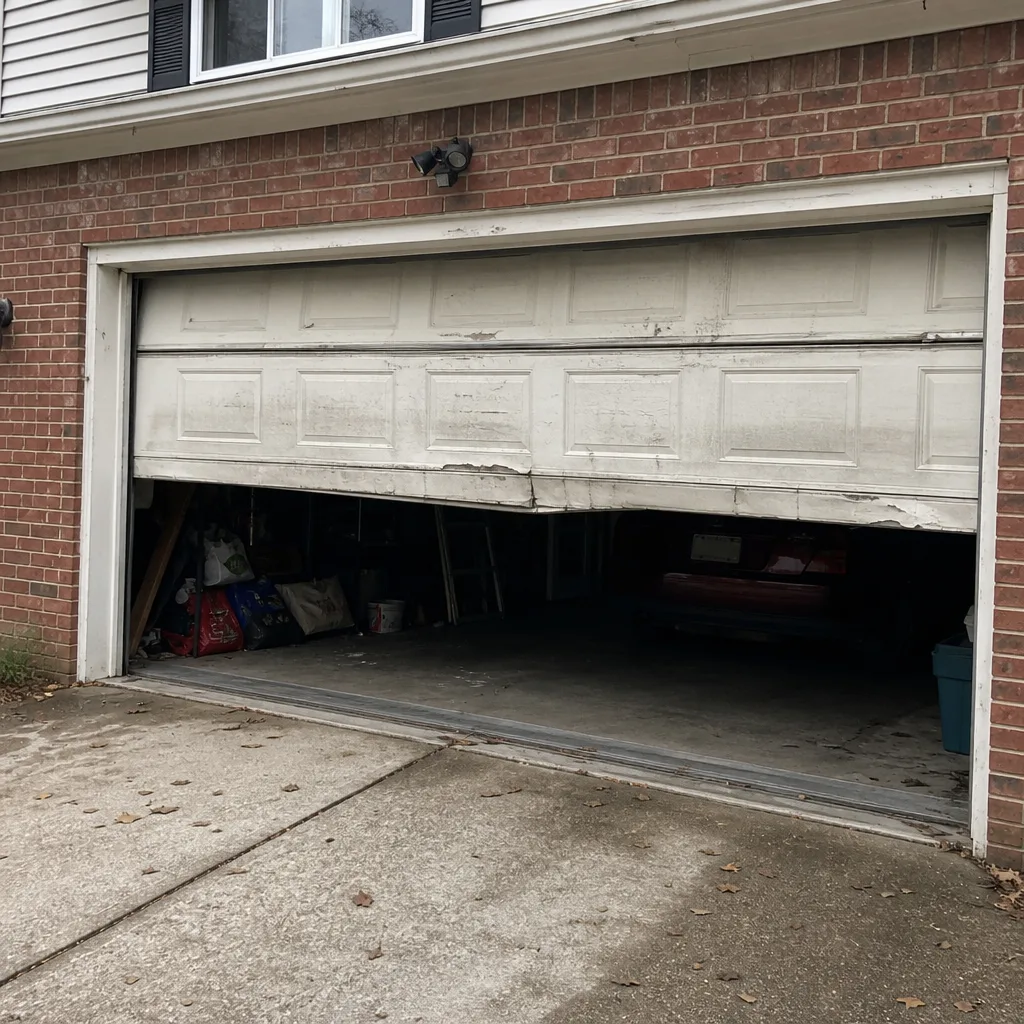 Before
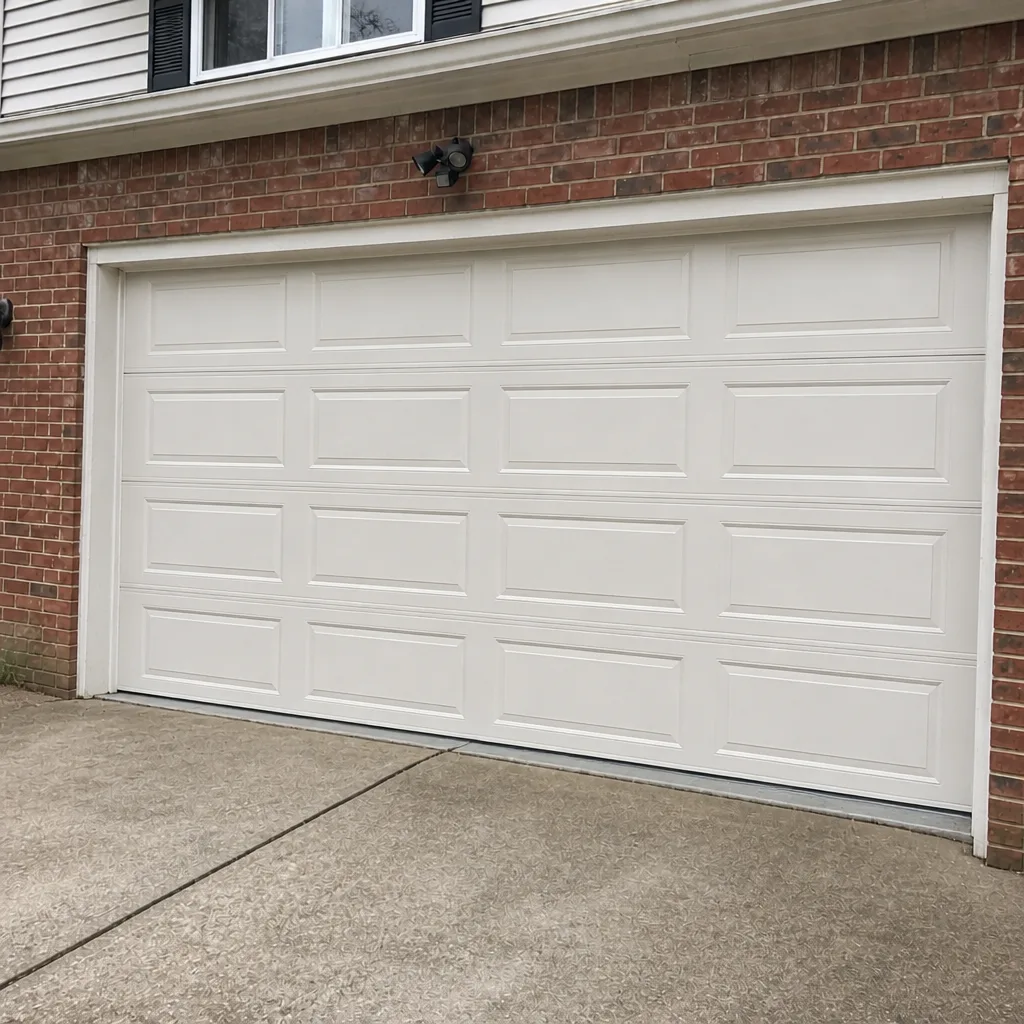 After
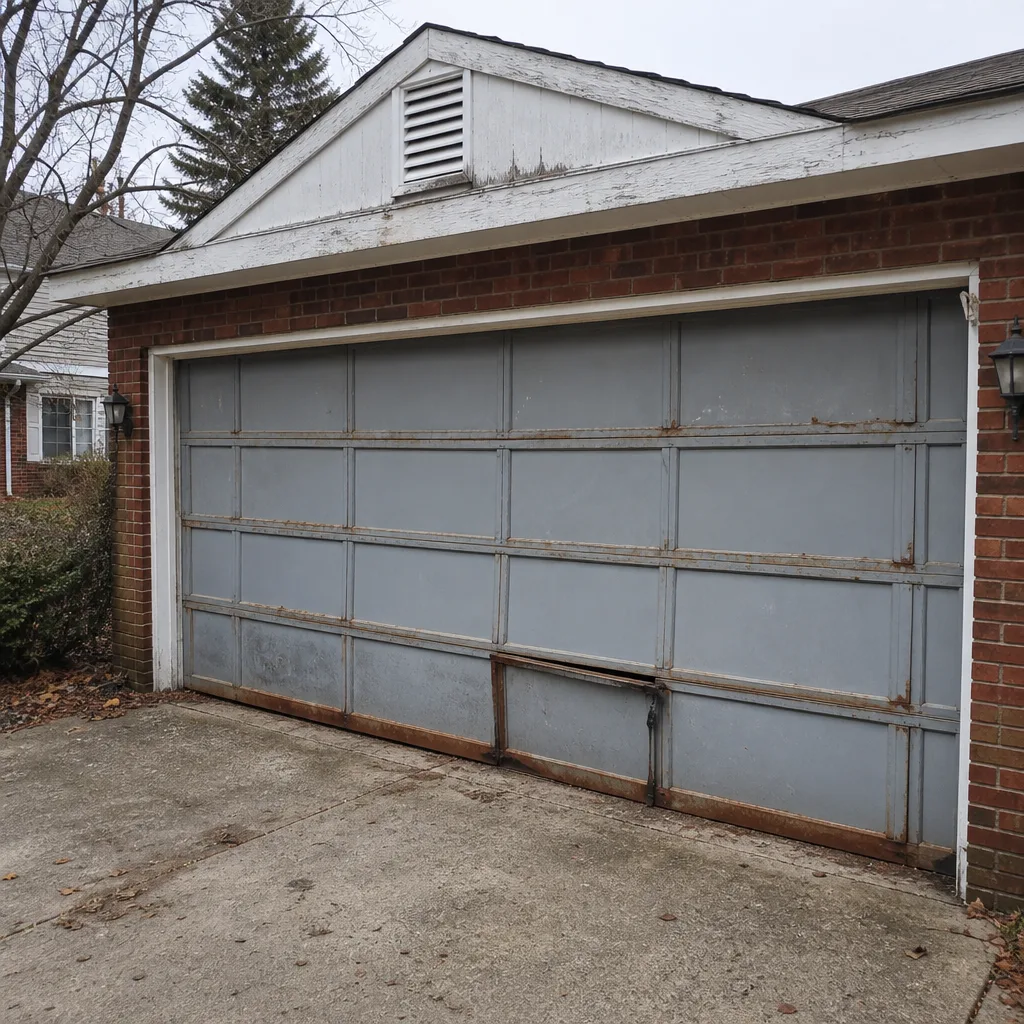 Before
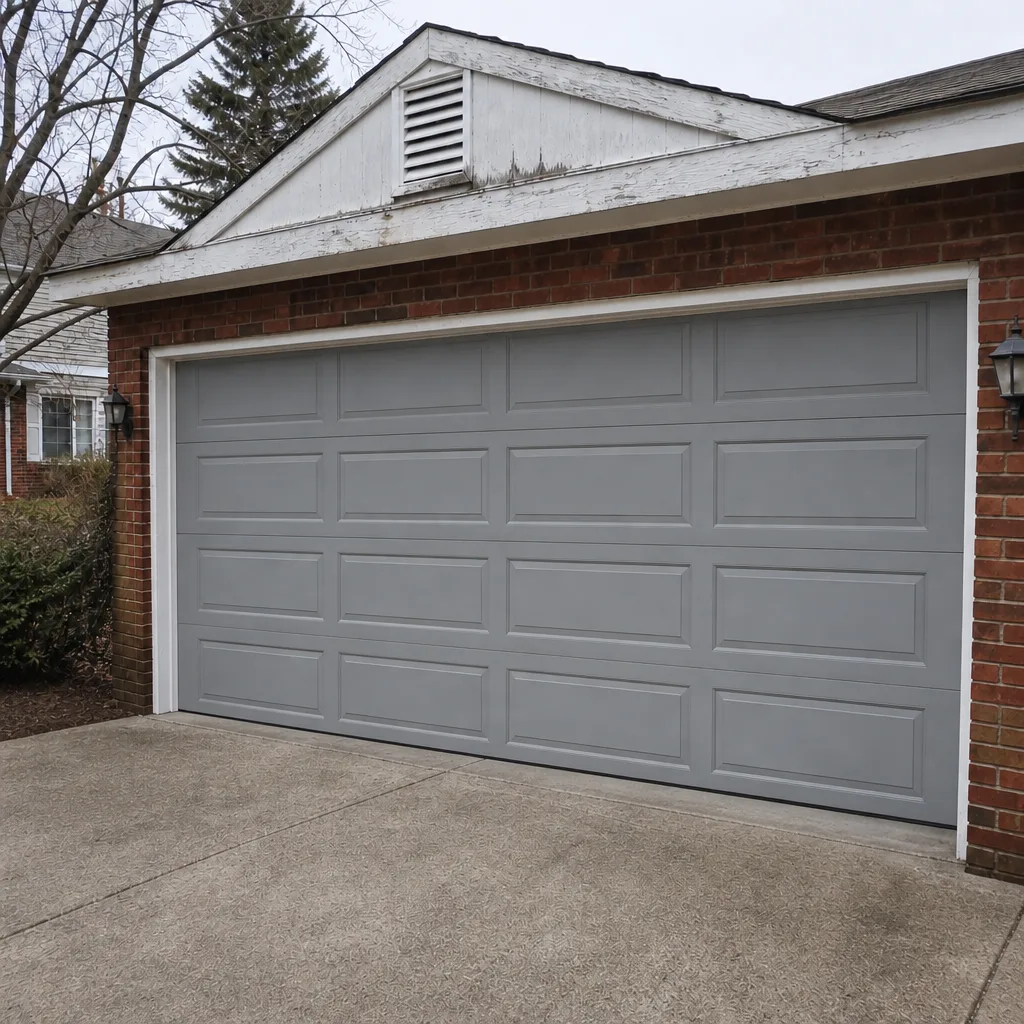 After
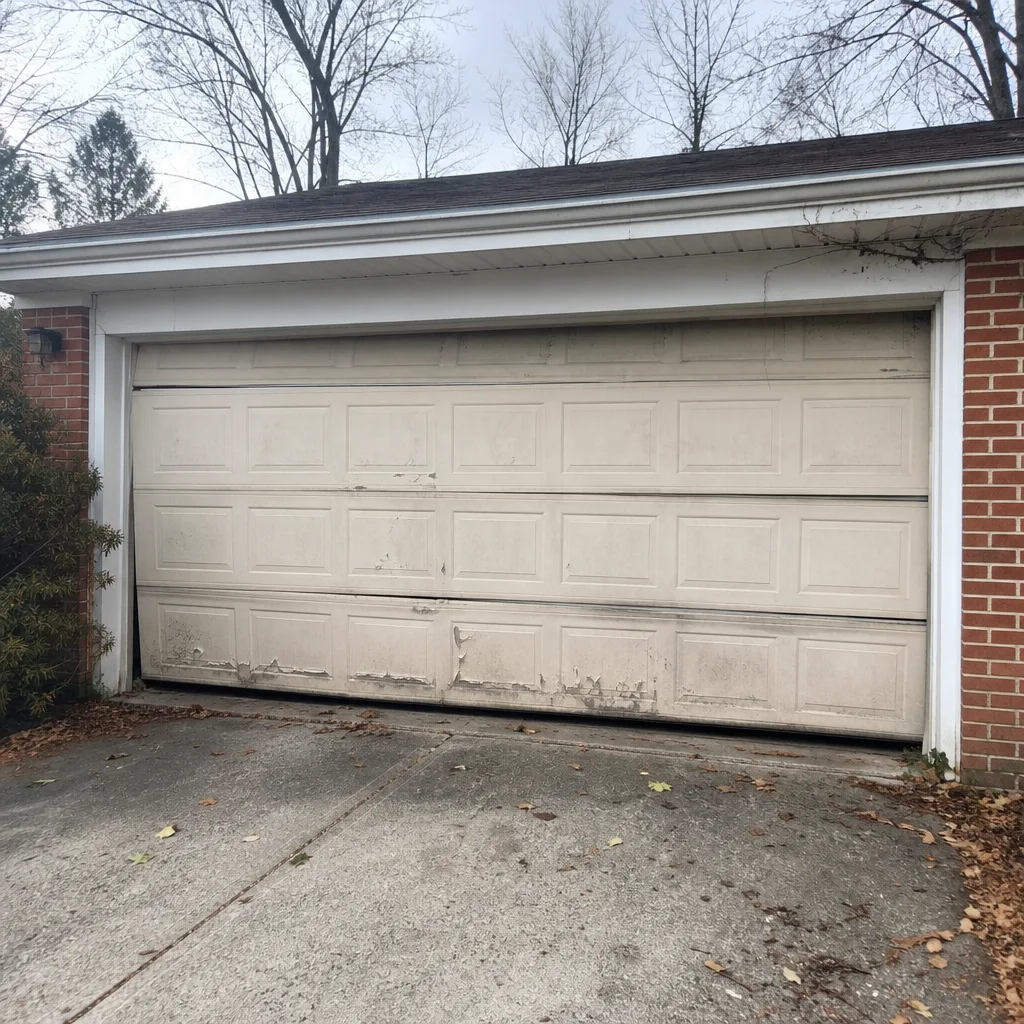 Before
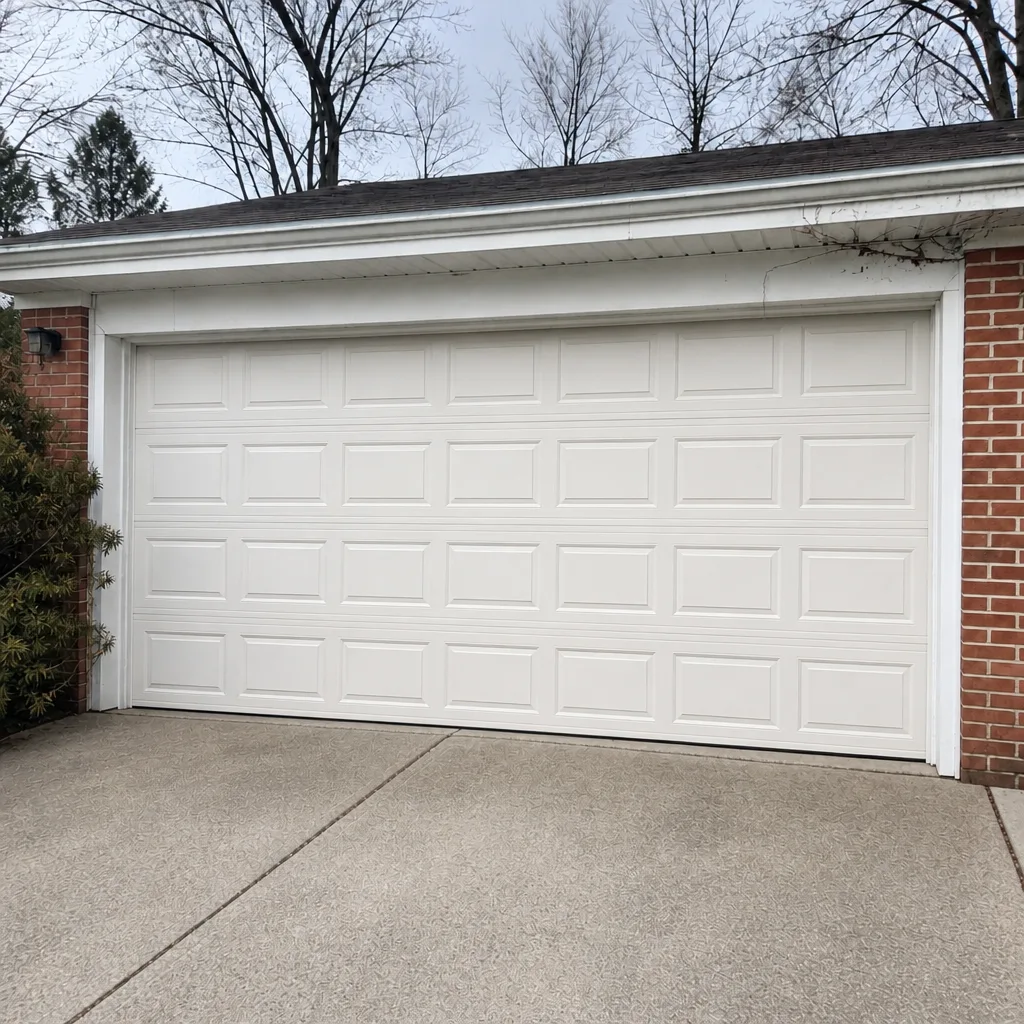 After
When to Call a Professional
Call us when the problem involves springs, cables, a door off its tracks, a door that’s out of balance, or a panel that’s bent or rotted. Call us when the opener is the problem and you’ve already checked the sensors and the remote. Call us when the door is stuck open and the house is exposed. Call us when a DIY attempt has left you less sure than you started.
For everything else – the lubrication, the sensors, the remotes, the weatherstrip – save your money and enjoy a quiet door. You don’t need us for that, and we’ll tell you so. Garage Door Repair Towson offers free estimates in Towson. Call (877) 792-6801. We answer 24/7. Fast dispatch from 7am to 7pm, Sunday through Friday. The written estimate is agreed before any work starts, and it’s the price you’ll see on the invoice. Our technicians have up to 11 years of experience, and garage doors are all we do.
Frequently Asked Questions
Yes, for the repairs that need it, and we treat emergencies as a core service. Call (877) 792-6801. We answer 24/7, and fast dispatch runs from 7am to 7pm, Sunday through Friday. If the call comes outside dispatch hours, it’s booked into the next opening. A same-day call is the right call for a broken spring, a snapped cable, or a door stuck open. For a full door installation, the timeline depends on the door model and the measurement, since that work gets ordered and scheduled.
Most common garage door repairs in Towson run from about $120 to $400, depending on the part and the door. A torsion spring replacement is typically $180-$340 for one spring, or roughly double that for a matched pair, which is usually what we replace. Opener repair runs about $120-$280, and panel replacement about $150-$400. These are typical estimates only; the written estimate sets the final price. Call (877) 792-6801 for an exact quote – estimates are free.
No. The price is quoted and agreed before any work starts, and the written estimate is the number you’ll see on the invoice. The only thing that can move it is a change you approve, like discovering the door needs a matched pair instead of a single spring. We quote once, we show you the price, and we don’t start until you agree.
The local pro we connect you with is licensed and insured as their state requires. Our technicians have up to 11 years of experience, and because garage doors are all we do, every job is handled by someone who works on doors and openers, not a generalist handyman. We work on the brand you already have across LiftMaster, Chamberlain, Genie, Clopay, Amarr, Wayne Dalton, Craftsman, and Raynor systems.
No. A torsion spring stores enough energy to cause serious injury if it releases unexpectedly, and winding it requires holding that tension with the correct bars. This isn’t a task a homeowner should take on, regardless of what a video shows. The risk isn’t the spring going wrong in the moment; it’s that a partly-done job leaves the door running out of balance, and that failure comes later, without warning. Call a professional for spring and cable work.
If the door is balanced and the sensors are aligned but the opener still won’t run the door, it’s an opener problem. A technician can usually tell within a few minutes whether it’s a repair or a replacement. Typical opener repair runs $120-$280; a full replacement is typically $350-$650 installed. We work on the major brands, so we can diagnose what you already own. Call (877) 792-6801 – estimates are free.
The Bottom Line
The DIY versus professional question for a garage door comes down to which component you’re touching, not how confident you feel. Lubrication, sensor alignment, remote programming, and weatherstrip replacement are safe, cheap, and worth doing yourself. Springs, cables, structural header issues, and anything involving a door off its tracks are professional work because the stored energy is real and the failure mode can cause injury. The one thing to remember is that an “almost works” DIY repair on a spring or cable is more dangerous than the original problem, not less. If you’re in Towson and you’re not sure which side of that line your repair falls on, call us and we’ll tell you honestly. Free estimates, upfront pricing, and the estimate is agreed before any work starts. Call (877) 792-6801. We answer 24/7. Fast dispatch from 7am to 7pm, Sunday through Friday.
Written by the team at Garage Door Repair Towson.